


Views: 0 Author: Site Editor Publish Time: 2025-12-30 Origin: Site


Are you aware of the critical role lubrication plays in pump performance?
The Bearing Bracket Screw Centrifugal Pump is essential in various industries, including wastewater treatment and food processing. Proper lubrication directly impacts its efficiency and longevity.
In this article, you’ll learn how to effectively lubricate these pumps, ensuring optimal operation and preventing common issues.
The Bearing Bracket Screw Centrifugal Pump consists of several vital components that work together to ensure efficient operation. One of the most critical parts is the bearing bracket, which supports the rotating assembly of the pump. This bracket ensures stability and alignment, allowing the pump to function smoothly.
The bearings within the pump play a crucial role in its overall functionality. They reduce friction between moving parts, enabling the motor to drive the impeller effectively. This reduction in friction is essential for maintaining performance and extending the pump's lifespan.
When it comes to bearings, various materials and types are commonly utilized in these pumps. Here’s a brief overview:
Bearing Type | Description |
Ball Bearings | Commonly used for their versatility and ability to handle radial and axial loads. |
Roller Bearings | Ideal for heavy loads, providing greater contact area and stability. |
Sleeve Bearings | Often used in low-speed applications, providing smooth operation with minimal friction. |
In terms of materials, bearings are typically made from stainless steel or carbon graphite. These materials are chosen for their durability and resistance to corrosion, especially in harsh environments.
It's essential to understand the differences between grease-lubricated and oil-lubricated bearings. Each type has its advantages and specific applications.
● Grease-Lubricated Bearings:
○ Easier to maintain and require less frequent lubrication.
○ Suitable for lower-speed applications.
○ Provide good sealing against contaminants.
● Oil-Lubricated Bearings:
○ Better for high-speed applications due to superior cooling properties.
○ Require regular monitoring of oil levels and quality.
○ Allow for greater flexibility in lubrication methods.
In QDGongli’s products, both types of bearings are utilized, depending on the specific application and operational requirements. For instance, stainless steel bearings are often used in environments where corrosion resistance is critical, while carbon graphite bearings are favored for their self-lubricating properties.
QDGongli has developed advanced bearing designs that enhance the performance of their Bearing Bracket Screw Centrifugal Pumps. These designs focus on maximizing efficiency and reliability.
● High Load Capacity: Designed to handle significant loads, ensuring durability.
● Corrosion Resistance: Materials used are selected for their ability to withstand harsh chemicals.
● Optimized Geometry: The shape and arrangement of bearings are engineered for minimal friction and maximum efficiency.
By understanding these components and their functions, users can appreciate the intricate design of the Bearing Bracket Screw Centrifugal Pump and the importance of proper lubrication.
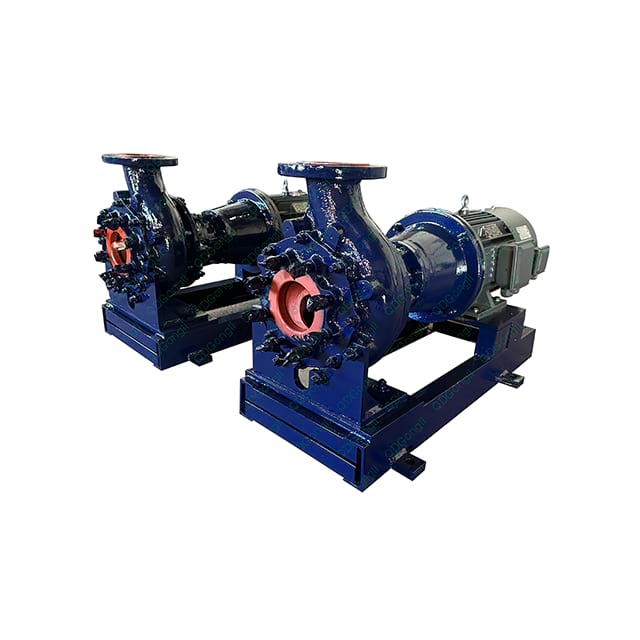
Grease lubrication is a popular choice for many applications involving the Bearing Bracket Screw Centrifugal Pump. This method uses a thick lubricant that remains in place, providing consistent protection against wear and tear.
Grease is ideal for environments with contaminants, such as dust or moisture. It clings to surfaces, forming a barrier that keeps out dirt. Additionally, grease lubrication works well in lower-speed applications, where the heat generated is manageable.
Advantages | Disadvantages |
Requires less frequent maintenance | Can lead to overheating if over-lubricated |
Simple to apply and manage | Limited cooling properties compared to oil |
Provides excellent sealing against contaminants | Not suitable for high-speed applications |
When selecting grease for your pump, consider specifications like anti-corrosive properties and a temperature range that typically spans from -20°C to 120°C.
Oil lubrication is another effective method for ensuring the smooth operation of the Bearing Bracket Screw Centrifugal Pump. This method uses liquid lubricants to reduce friction between moving parts.
Oil can be applied through various methods, including circulating systems, splash lubrication, or manual filling. Circulating systems are often the most efficient, ensuring a constant supply of lubricant to the bearings.
Advantages | Disadvantages |
Better cooling properties | Requires regular maintenance to check oil levels |
Allows for easier monitoring of lubricant condition | More complex systems may be needed for effective application |
More effective in reducing friction than grease | Risk of leaks and contamination |
For optimal performance, consider using oils like ISO VG 32, ISO VG 46, or ISO VG 68 R&O Oils, depending on your specific application needs.
Oil Type | Viscosity Grade | Recommended Applications |
ISO VG 32 | 32 | Moderate temperatures and speeds |
ISO VG 46 | 46 | Balance of viscosity and performance |
ISO VG 68 R&O | 68 | High-temperature applications |
Selecting the appropriate lubrication type for your Bearing Bracket Screw Centrifugal Pump is crucial. Several factors come into play when making this decision:
● Operating Conditions: Assess the environment where the pump will operate. Is it exposed to dust, moisture, or extreme temperatures?
● Pump Design: Consider the specific design and requirements of your pump model.
● Compatibility with Bearing Materials: Ensure the lubricant is compatible with the materials used in the bearings to avoid degradation.
QDGongli provides detailed specifications for lubrication based on their product designs. They recommend using grease for lower-speed applications and oil for high-speed environments. Always refer to the product manual for specific guidance tailored to your pump model.
By understanding these lubrication types and their applications, you can ensure the longevity and efficiency of your Bearing Bracket Screw Centrifugal Pump.
The initial lubrication of the Bearing Bracket Screw Centrifugal Pump is a critical step in ensuring its optimal performance from the moment it is put into operation. This process typically occurs at the factory before the pump is delivered to the customer, and it involves several essential steps to guarantee that the pump will function efficiently.
1. Select the Appropriate Lubricant: Choose the right type of grease or oil based on the specific pump model and its operational requirements. The lubricant must meet certain viscosity and temperature specifications to ensure effective performance.
2. Clean the Bearings: Before applying any lubricant, it is essential to thoroughly clean all bearing surfaces. This step removes any dust, debris, or manufacturing residues that could interfere with the lubrication process.
3. Apply Lubricant: Use the recommended amount of lubricant, ensuring it reaches all critical bearing surfaces. Proper application helps to create a uniform layer of lubrication, which is vital for reducing friction.
4. Check for Proper Sealing: After lubrication, confirm that all seals are intact and functioning correctly to prevent leaks. This step is crucial because leaks can lead to lubricant loss and contamination, which can damage the pump over time.
This initial lubrication is vital because it sets the foundation for the pump’s operational efficiency. In QDGongli’s manufacturing process, this step is meticulously performed to ensure long-lasting performance and reliability. Proper initial lubrication not only enhances the pump's performance but also extends its lifespan, reducing the need for early maintenance.
Regular relubrication is essential for maintaining the pump's functionality over time. It ensures that the bearings receive the necessary lubrication to prevent wear, overheating, and potential failure. Establishing a reliable schedule for relubrication is key to the longevity of the Bearing Bracket Screw Centrifugal Pump.
Operating Hours | Recommended Action |
2,000 - 10,000 | Perform relubrication |
10,000+ | Evaluate condition; consider relubrication |
The frequency of relubrication can vary based on several factors, including the operating environment and the specific application of the pump. For instance, severe working conditions, such as high temperatures, heavy loads, or exposure to contaminants, may necessitate more frequent lubrication. It's important to monitor the pump's performance closely; if unusual noises or vibrations are detected, it may indicate that lubrication is needed sooner than scheduled.
Understanding the lubrication cycle is key to ensuring the longevity and efficiency of the Bearing Bracket Screw Centrifugal Pump. This cycle includes regular checks and maintenance to keep the pump running smoothly and efficiently, thereby preventing unexpected breakdowns.
Monitoring the operating hours of the pump is crucial for determining when relubrication is needed. Keeping a detailed log of these hours can simplify maintenance schedules and alert operators to potential issues before they escalate. Regularly checking the operating hours also allows for better planning of maintenance activities, ensuring that the pump remains in peak condition.
Operating Hours | Recommended Action |
16,000 | Inspect and potentially replace bearings |
Replacing bearings at the recommended intervals is crucial for maintaining the pump's efficiency. Over time, bearings can wear down due to constant friction and load, which can lead to decreased performance and potential failure. Regular inspections and timely replacements can prevent costly downtimes and extend the life of the pump. By adhering to these intervals, operators can ensure that their Bearing Bracket Screw Centrifugal Pump remains reliable and effective throughout its service life.
By following these lubrication guidelines, users can ensure their Bearing Bracket Screw Centrifugal Pump operates efficiently and reliably, minimizing maintenance costs and maximizing productivity.
Lubricating the bearings in a Bearing Bracket Screw Centrifugal Pump is crucial for ensuring its smooth operation and longevity. This step-by-step guide will walk you through the necessary preparations, procedures, and tips for effective lubrication, whether you are using grease or oil.
Before diving into the lubrication process, it's essential to prepare adequately. Proper preparation not only helps in executing the task efficiently but also ensures safety throughout the procedure.
To start, gather the following tools and materials:
Tools and Materials | Purpose |
Lubricant | Choose the appropriate type of grease or oil based on the pump specifications. |
Grease Gun or Oil Can | Depending on the lubrication type, ensure you have the right applicator. |
Cleaning Rags | Necessary for wiping surfaces and removing any old lubricant or debris. |
Safety Gear | Gloves, goggles, and other PPE to safeguard against potential hazards. |
Safety should be your top priority. Begin by ensuring the pump is turned off and disconnected from any power source to prevent accidental activation. Additionally, working in a well-ventilated area is vital to avoid inhaling any harmful fumes from lubricants. Always wear appropriate PPE to protect your skin and eyes from chemicals and sharp components. By following these precautions, you create a safer environment, reducing the risk of accidents during the lubrication process.
Grease-lubricated bearings require careful attention during both initial packing and relubrication. Proper lubrication helps prevent overheating and wear, ensuring the pump operates efficiently.
1. Clean the Bearing Housing: Start by thoroughly cleaning the bearing housing to remove any old grease and contaminants. This is crucial for effective lubrication.
2. Pack the Bearings: Using a grease gun, apply an adequate amount of grease into the bearing. Aim for a fill level of about one-third to one-half of the bearing capacity to ensure optimal performance.
3. Reassemble the Housing: Carefully reassemble the bearing housing, ensuring all components are aligned correctly to avoid misalignment issues.
4. Check for Leaks: After reassembly, run the pump briefly and inspect for any signs of grease leaking out. This quick check helps identify any potential issues before they escalate.
Over-lubrication can lead to overheating and increased wear, so it’s important to use the right amount of grease. Here are some tips to help you avoid this common pitfall:
Tips for Avoiding Over-Lubrication | Details |
Follow Manufacturer Guidelines | Always refer to the manufacturer’s specifications for the correct amount of grease to use. |
Monitor Performance | Keep an ear out for unusual noises or vibrations, which can indicate over-lubrication. Regularly inspect the pump for signs of excessive grease. |
Schedule Periodic Checks | Establish a maintenance schedule to check lubrication levels and adjust as necessary. This proactive approach helps maintain optimal performance. |
For oil-lubricated bearings, maintaining the correct oil levels and ensuring oil quality is essential for the Bearing Bracket Screw Centrifugal Pump to operate effectively.
1. Check Oil Levels: Regularly inspect the oil level using the sight glass or dipstick. This simple check can help you stay ahead of potential issues.
2. Add Oil as Needed: If the oil level is low, add the recommended type of oil until it reaches the proper level. Always use the specified oil type to ensure compatibility.
3. Replace Oil Periodically: Follow the manufacturer's guidelines for oil change intervals, typically every 2,000 to 10,000 operating hours. Regular oil changes help maintain lubrication effectiveness.
4. Dispose of Old Oil Properly: When replacing oil, ensure that you dispose of the used oil following local regulations to protect the environment.
Monitoring the condition of the oil is just as important as maintaining the correct level. Regular checks can help identify contamination from dirt or water, which can significantly damage the bearings over time. Additionally, assessing the viscosity of the oil is crucial; over time, oil can lose its effectiveness, making it less capable of providing the necessary lubrication. Keeping track of the oil condition helps maintain the pump's efficiency and prevents unexpected failures, ensuring that your Bearing Bracket Screw Centrifugal Pump operates reliably and effectively throughout its service life.
By following these detailed steps for lubricating both grease-lubricated and oil-lubricated bearings, you can ensure the reliability and efficiency of your Bearing Bracket Screw Centrifugal Pump. Proper lubrication practices not only enhance performance but also extend the lifespan of the equipment, ultimately leading to lower maintenance costs and improved productivity.
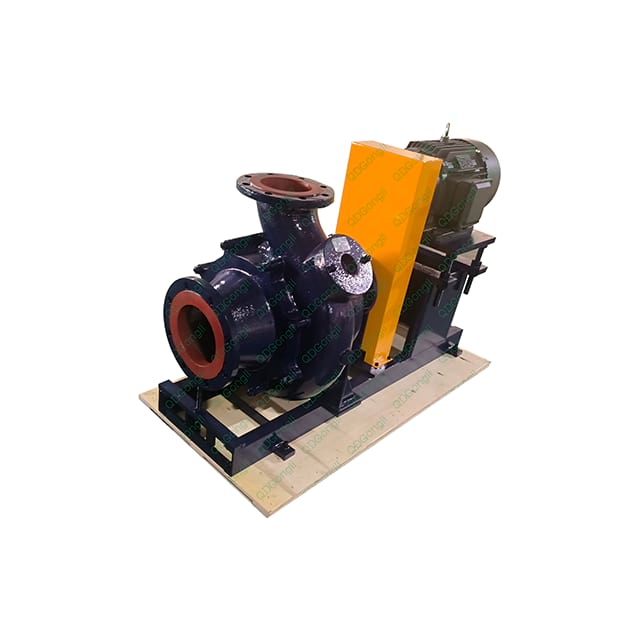
Proper monitoring and maintenance of lubrication are vital for the optimal performance of the Bearing Bracket Screw Centrifugal Pump. Regular inspections and adherence to quality standards help prevent potential issues that could lead to costly downtime or equipment failure. In this section, we will discuss effective inspection practices, signs of lubrication issues, and the importance of maintaining quality standards throughout the pump's operation.
Regular inspections are essential for identifying potential lubrication issues before they escalate. Implementing a routine inspection schedule can help maintain the pump's efficiency and longevity.
Monitoring temperature and noise levels during operation can provide valuable insights into the pump's health. Here are some key practices:
● Temperature Checks: Use infrared thermometers or thermal cameras to monitor bearing temperatures. Ideally, temperatures should remain within the manufacturer’s specified range. An increase in temperature may indicate inadequate lubrication or excessive friction.
● Noise Monitoring: Listen for unusual sounds during operation. A properly lubricated pump should operate quietly. If you hear grinding, squealing, or other abnormal noises, it may signal lubrication issues that need immediate attention.
Identifying lubrication issues early can prevent severe damage. Here are common signs to look for:
Signs of Lubrication Issues | Potential Causes | Recommended Actions |
Increased operating temperature | Insufficient lubrication | Check and replenish lubricant levels. |
Unusual noises | Contamination or over-lubrication | Inspect bearings and clean or adjust lubrication. |
Vibration anomalies | Misalignment or wear | Realign components and consider bearing replacement. |
By knowing these signs and their implications, you can take proactive steps to address any lubrication-related problems.
Regular checks during operation are crucial for maintaining the health of the Bearing Bracket Screw Centrifugal Pump. These checks not only help in identifying potential issues but also ensure that the pump operates within its optimal parameters. Scheduling routine inspections allows operators to monitor performance metrics such as flow rate, pressure, and temperature. Additionally, keeping detailed records of these inspections can help identify trends over time, making it easier to spot anomalies that may indicate future problems.
Adhering to quality standards is essential for ensuring the longevity and efficiency of your pump. Following the manufacturer's guidelines, particularly those set by QDGongli, can significantly impact the performance of the Bearing Bracket Screw Centrifugal Pump.
Manufacturers provide specific guidelines regarding lubrication types, intervals, and quantities. Following these guidelines helps maintain optimal performance and prevents issues related to improper lubrication. For example, using the wrong type of lubricant can lead to breakdowns and increased wear on components, ultimately shortening the pump's lifespan.
If you encounter persistent lubrication issues or if the pump does not perform as expected, it may be time to consult the manufacturer or technical support. They can provide valuable insights and troubleshooting assistance tailored to your specific situation. Engaging with experts can save time and reduce the risk of costly repairs.
In addition to manufacturer guidelines, independent inspection processes can play a significant role in maintaining product quality. Regular third-party inspections can help identify potential issues that internal teams might overlook. These inspections provide an unbiased assessment of the pump's condition, ensuring compliance with industry standards and best practices. By incorporating independent inspections into your maintenance routine, you can enhance the reliability and efficiency of your Bearing Bracket Screw Centrifugal Pump.
By implementing these monitoring and maintenance practices, you can ensure the long-term reliability and efficiency of your Bearing Bracket Screw Centrifugal Pump. Regular inspections, adherence to quality standards, and proactive measures to address lubrication issues will contribute to a smoother operation and reduce the risk of unexpected failures.
In summary, proper lubrication is crucial for the Bearing Bracket Screw Centrifugal Pump. Regular inspections and timely maintenance help prevent issues.
QDGongli is committed to quality and innovation in pump technology. To ensure optimal performance and longevity, follow best practices for lubrication.
Always adhere to manufacturer guidelines and consult product manuals or technical support when needed. These steps will help maintain your pump's efficiency and reliability.


