Views: 0 Author: Site Editor Publish Time: 2026-06-14 Origin: Site


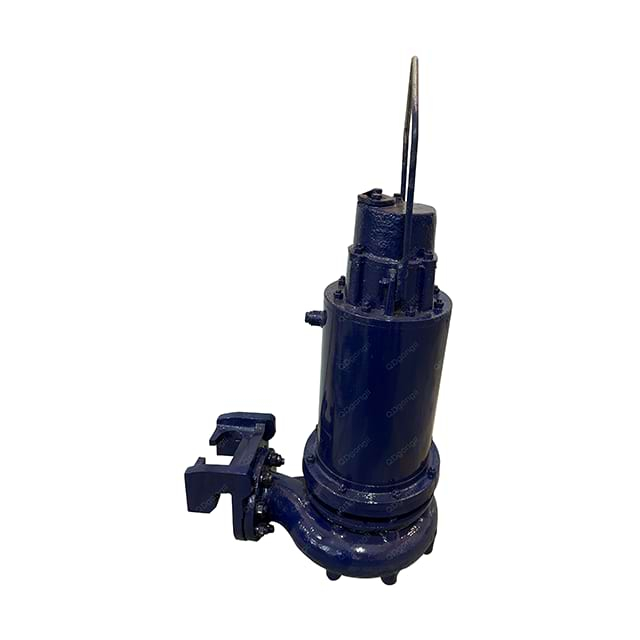
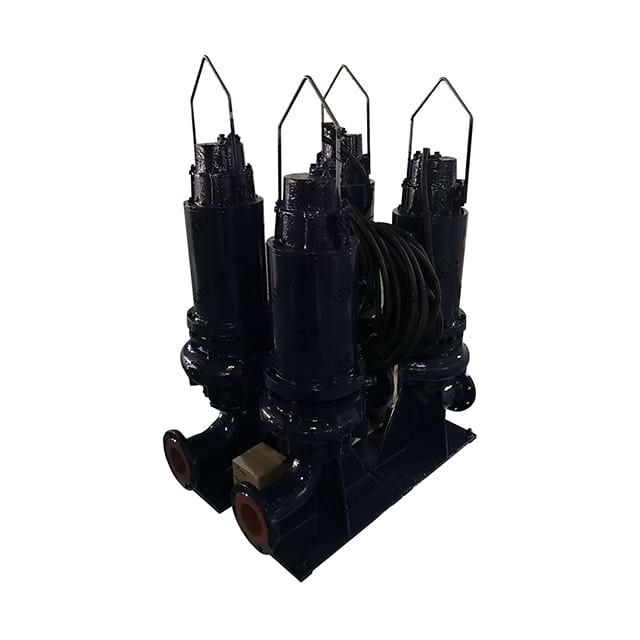
Upgrading fluid handling infrastructure often requires balancing two competing demands. You must prevent pump clogging from high-solids media. Simultaneously, you must protect submersible motors from thermal failure during low-level or dry-run conditions. Standard submersibles rely on the pumped liquid for cooling. This reliance inevitably leads to stator burnout if the pit runs dry. Furthermore, standard centrifugal pumps struggle when handling shear-sensitive or stringy materials. The Oil Cooled Screw Centrifugal Pump bridges this critical gap. It combines the non-clogging, gentle-handling geometry of a screw centrifugal impeller alongside an independent oil cooling system. This pairing ensures continuous, thermally stable operation. This guide breaks down the core engineering advantages and implementation realities. We also provide evaluation criteria for determining if this hybrid architecture fits your facility's operational profile.
Thermal Resilience: Oil-cooled motor housings dissipate heat independently of the pumped media, allowing for safe, continuous operation in dry-pit or fluctuating-level applications.
Process Integrity: The screw centrifugal impeller provides low-shear, non-emulsifying fluid transfer, ideal for oily sludge, viscous fluids, and fragile biological flocs.
Lifecycle ROI: Reduces Mean Time Between Failures (MTBF) by eliminating the two most common failure modes: ragging/clogging and dry-run stator burnout.
Specification Reality: Higher initial capital expenditure (CapEx) and weight compared to standard water-cooled pumps; justified primarily in applications where standard pumps experience recurrent failure.
Standard submersibles present distinct operational limits in demanding environments. Engineers constantly fight two opposing battles regarding thermal management and fluid processing.
Standard submersible units utilize the surrounding liquid to cool the internal motor. Fluid levels often drop unpredictably during variable inflow conditions. When levels drop, the motor instantly loses its primary heat sink. This loss triggers thermal overloads rapidly. It frequently causes permanent stator damage. Operators face immense challenges keeping sumps perfectly balanced. They often resort to complex float switch arrays. These switches can fail or snag on floating debris. The pump then runs dry and burns out completely.
Traditional centrifugal impellers struggle processing high-viscosity sludge. They rely on high-speed rotational force to move fluid. They fail entirely when encountering fibrous materials. Industry professionals call this phenomenon "ragging." Wipes, synthetic fibers, and hair wrap tightly around the impeller shaft. Ragging leads directly to mechanical seal failure. It causes immediate, unplanned downtime. Conversely, high-speed impellers apply intense shear forces. These forces permanently alter delicate biological slurries. They shatter fragile flocs in wastewater treatment processes. They also ruin valuable oil-water emulsions in hydrocarbon processing environments.
Maintenance crews frequently pull clogged pumps from deep, hazardous pits. They spend countless hours repairing burnt motors in the shop. This routine drastically inflates overall maintenance budgets over time. It consumes precious operational resources daily. It also exposes maintenance crews to dangerous, toxic environments unnecessarily. Confined space entries always carry significant safety risks. Facility managers desperately need a fundamentally better fluid handling approach to protect their workforce.
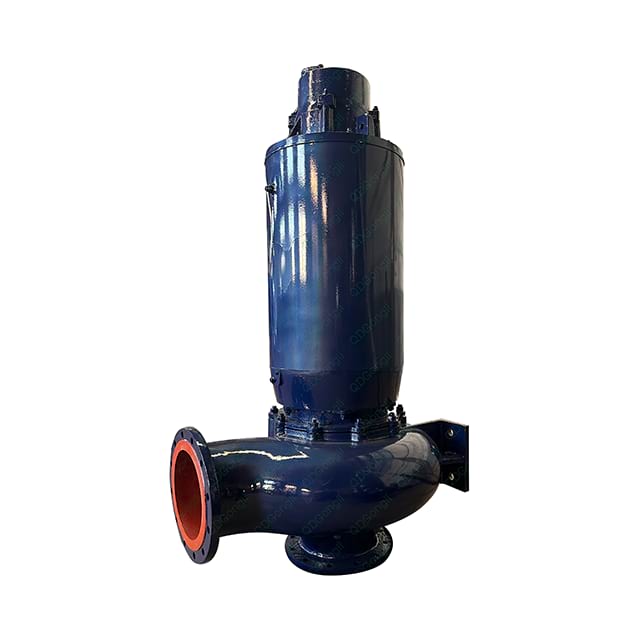
Understanding the mechanical synergy of this hybrid design reveals its true industrial value. It systematically addresses the historical flaws found in standard pumping equipment.
The independent oil cooling system features a closed-loop or static oil jacket. It completely surrounds the internal motor housing. It acts as a superior thermal conductor constantly. Heat transfers rapidly from the stator to the outer casing. It accomplishes this efficiently even when the pump sits completely unsubmerged. You gain highly reliable operation in dry-pit installations. It easily handles unpredictable sumps where liquid levels vanish entirely. The motor remains thermally stable during long operational shifts.
The screw centrifugal geometry defines this specific unit's processing power. It features a unique single-vane, corkscrew-like impeller. This impeller transitions smoothly into a traditional centrifugal volute. It fundamentally "scoops" rather than "beats" the incoming fluid. It easily passes large solids, fibrous rags, and debris. High-viscosity sludge moves through the casing without clogging. The continuous channel prevents material buildup entirely. You eliminate the daily headache of manual impeller cleanouts.
The unique impeller design offers a gradual pressure build-up. It creates a steep, highly stable performance curve. This smooth action minimizes fluid turbulence significantly throughout the pumping cycle. It proves absolutely critical for oil and gas extraction applications. Preventing the emulsification of oil and water simplifies downstream separation processes. Gentle handling protects delicate biological flocs perfectly. It maintains the physical integrity of shear-sensitive media effortlessly.
The screw impeller creates a strong, positive inducer effect natively. It actively pulls thick fluid into the suction eye. It lowers the Net Positive Suction Head required drastically. This reduces dangerous cavitation risks in thick, heavy, or low-level fluids. Cavitation destroys metal internal surfaces incredibly quickly. Lowering this risk extends the life of the impeller greatly. It also protects the mechanical seals from destructive vibration forces.
Selecting the right architecture requires objective, side-by-side comparisons. How does an Oil Cooling Pump stack up against other legacy designs?
Choose the oil-cooled model if your sump levels fluctuate drastically. Standard models simply cannot survive these dry periods. The oil-cooled design also excels if you plan a dry-pit configuration. The unit must survive without direct liquid immersion. Standard submersibles will overheat and fail under these precise conditions. The oil jacket provides absolute thermal security.
The oil-cooled submersible eliminates long, complicated suction lines. It removes the need for expensive, complex priming systems. You avoid pouring heavy, cumbersome concrete baseplates. It offers a much more compact installation footprint. You also gain complete flood-proof security. If the dry pit floods unexpectedly, the submersible unit continues operating flawlessly. A standard dry-installed pump motor would short out immediately.
Positive Displacement pumps handle extreme high viscosities very well. However, the screw centrifugal pump handles larger hard solids much more safely. It experiences absolutely no stator-to-rotor friction wear. Progressive cavity pumps suffer from severe friction wear when running dry. The screw centrifugal design generally requires a smaller overall footprint. It simplifies piping layouts in cramped industrial facilities.
Architecture Type | Best Suited For | Key Limitation |
|---|---|---|
Standard Submersible | Consistent fluid levels, clean water | Cannot run dry; motor burns out quickly without liquid coverage. |
Dry-Installed Centrifugal | Clean access environments, non-flooding zones | Highly vulnerable to flooding; requires separate priming mechanisms. |
Positive Displacement | Extreme viscosity, metering applications | High friction wear; struggles with large hard solids. |
Oil Cooled Screw Centrifugal | Fluctuating levels, high solids, viscous media | Heavier weight; higher initial capital expenditure. |
You must evaluate several critical engineering factors before purchasing. Use these standardized criteria to ensure optimal system compatibility and long-term reliability.
Thermal and Viscosity Thresholds: Always verify the maximum fluid temperature ratings. Check the ambient temperature limits of the specific jacket oil used. Assess the manufacturer's performance curves carefully. Adjust these curves for the specific gravity of your target media. High viscosity alters internal flow rates significantly. You must size the motor properly.
Seal Architecture Configuration: Evaluate the internal mechanical seal setup closely. High-reliability models typically feature tandem mechanical seals. They use an oil-lubricated intermediate chamber between the seals. This vital barrier prevents process fluid from compromising the internal motor. It guarantees long-term electrical safety. It prevents catastrophic short circuits entirely.
Material Selection Standards: Match your impeller and volute materials to the specific fluid chemistry. Highly abrasive media requires hardened High-Chrome iron. Corrosive environments demand Duplex stainless steel. Proper metallurgy prevents premature casing degradation. Discuss chemical compatibility charts with your engineering team beforehand.
Compliance and Hazardous Areas: Many pumps deploy into highly regulated chemical processing zones. Oil and gas sites require strict explosion-proof certifications unconditionally. Ensure the pump carries ATEX, CSA, or FM approvals. It must meet applicable API standards where relevant. Non-compliance invites severe regulatory fines and safety hazards.
Deploying this specialized equipment introduces new maintenance realities. Facility managers must prepare their teams for these specific operational challenges.
Increased Weight and Rigging Needs: Adding a thick oil jacket significantly increases the total unit weight. Facility managers must verify existing structural infrastructure carefully. Lifting davits and guide rails must handle the extra load safely. Structural supports require adequate rating verification. Do not reuse old chains without inspecting their load capacity.
Strict Oil Maintenance Protocols: The cooling oil requires routine, disciplined attention. Crews must periodically sample the seal-chamber oil. Moisture inside the oil indicates impending seal failure. Dielectric breakdown signals immediate intervention needs. Scheduled oil replacements prevent catastrophic motor failure. Train your technicians to recognize milky oil immediately.
Specialized Repair Requirements: Rebuilding an oil-cooled motor involves highly specific procedures. Technicians must perform vacuum filling correctly to remove air bubbles. They must execute strict pressure testing on the jacket. Standard local rewind shops often lack this specialized diagnostic equipment. You must identify certified manufacturer repair centers beforehand.
Environmental Contamination Risks: Food-grade applications require extra caution during specification. Highly sensitive environmental sites face similar regulatory risks. Buyers must specify biodegradable dielectric cooling oils explicitly. Food-grade options mitigate hazardous contamination risks effectively. A tiny jacket leak must never ruin your entire process batch.
This specialized pump resolves chronic fluid handling failures effectively. It proves invaluable when balancing high-solids media with unpredictable sump levels. It requires a thoughtful approach to specification and maintenance.
Assess your historical maintenance logs to identify recurring dry-run or clogging failures.
Compare the elevated initial capital expenditure against your projected labor savings and reduced downtime.
Verify your existing structural rigging can support the heavier oil-jacketed framework safely.
Request a computational fluid dynamics (CFD) model from your manufacturer to validate hydraulic performance.
Specify environmentally safe or food-grade dielectric fluids if your process demands strict contamination control.
A: The oil cooling system protects the motor from overheating during extended dry runs. However, the mechanical seals still require some lubrication. Most manufacturers rate them for continuous dry running under specific ambient conditions. Truly "indefinite" dry running requires verifying the specific mechanical seal design. Always look for robust oil-lubricated tandem seals to maximize dry-run endurance safely.
A: Manufacturers typically utilize a high-grade dielectric mineral oil. Many also use synthetic transformer oil. These specific oils provide exceptionally high thermal conductivity. They also offer excellent electrical insulating properties. If you operate in highly sensitive environments, food-grade and biodegradable dielectric options are readily available.
A: Maintenance intervals always depend on your specific operating conditions. Standard industry practice dictates inspecting the oil annually. Alternatively, check it every 4,000 to 8,000 operating hours. If the extracted oil appears milky, it indicates water ingress. You must perform an immediate seal inspection to prevent motor failure.
A: Yes, it actively improves it. The steep performance curve of a screw centrifugal impeller offers high hydraulic efficiency. It often surpasses the efficiency of standard vortex impellers. It utilizes significantly less power to pass equivalent-sized solids. This gentle, scooping action minimizes energy waste during fluid transfer.