Views: 0 Author: Site Editor Publish Time: 2025-12-31 Origin: Site


Have you ever wondered how industries efficiently move liquids? Screw centrifugal pumps play a crucial role in this process. These innovative pumps offer advantages over traditional designs, making them essential in agriculture, wastewater treatment, and chemical processing.
In this article, we’ll explore the main components of screw centrifugal pumps. You’ll learn about their unique features and why companies like QDGongli Technology Co., Ltd. are leading the way in this technology.
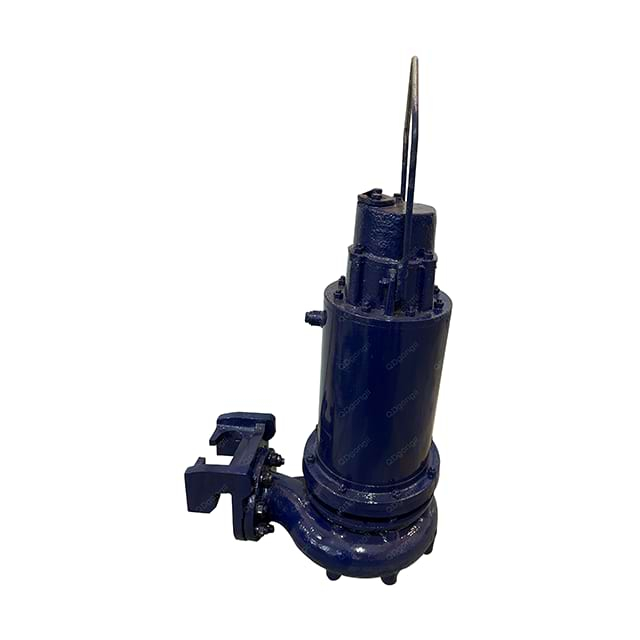
A screw centrifugal pump is a unique type of pump that combines features of both screw pumps and centrifugal pumps. It utilizes a spiral impeller design, which helps in efficiently moving liquids. This design minimizes turbulence and energy loss, making it an ideal choice for various applications.
At its core, a screw centrifugal pump operates by converting mechanical energy into liquid energy. The spiral impeller rotates, creating large flow channels. This design prevents clogging and reduces wear on the pump components. As the impeller spins, it draws fluid in through the suction inlet and pushes it out through the discharge port, maintaining a steady flow.
Component | Function |
Spiral Impeller | Converts mechanical energy to liquid energy. |
Pump Casing | Houses the impeller and guides fluid flow. |
Drive System | Transmits power from the motor to the impeller. |
Screw centrifugal pumps are distinct from traditional centrifugal pumps. While centrifugal pumps rely on high-speed rotation to create pressure, screw pumps use a helical design to move fluids smoothly. This feature allows screw centrifugal pumps to handle a wider variety of fluids, including those with solid particles or high viscosity.
Type of Pump | Advantages | Disadvantages |
Traditional Centrifugal Pump | High efficiency for low-viscosity fluids. | Prone to clogging with solids. |
Screw Pump | Excellent for high-viscosity fluids. | Slower flow rates compared to centrifugal. |
Screw Centrifugal Pump | Versatile, non-clogging, and energy-efficient. | More complex design may increase costs. |
These pumps play a vital role across multiple sectors. In agriculture, they are used for irrigation and water transfer, ensuring crops receive adequate hydration. In wastewater treatment, screw centrifugal pumps efficiently handle sewage and other waste materials, helping to maintain environmental standards. Additionally, in the chemical processing industry, they transport corrosive and viscous liquids safely.
● Agriculture: Used in irrigation systems and water management.
● Wastewater Treatment: Efficiently handles sewage and sludge.
● Chemical Processing: Transports hazardous and viscous fluids.
Qingdao Gongli Technology Co., Ltd. is a leading manufacturer in the screw centrifugal pump market. Established in 2023, the company focuses on research and development, producing innovative pumps that meet the needs of various industries. With multiple patents for their pump designs, QDGongli emphasizes quality and efficiency, making them a trusted choice for customers worldwide.
Their products are recognized for their reliability and performance, contributing to successful projects across different sectors. As they expand their reach, QDGongli continues to set industry standards, ensuring that their screw centrifugal pumps remain at the forefront of technology.
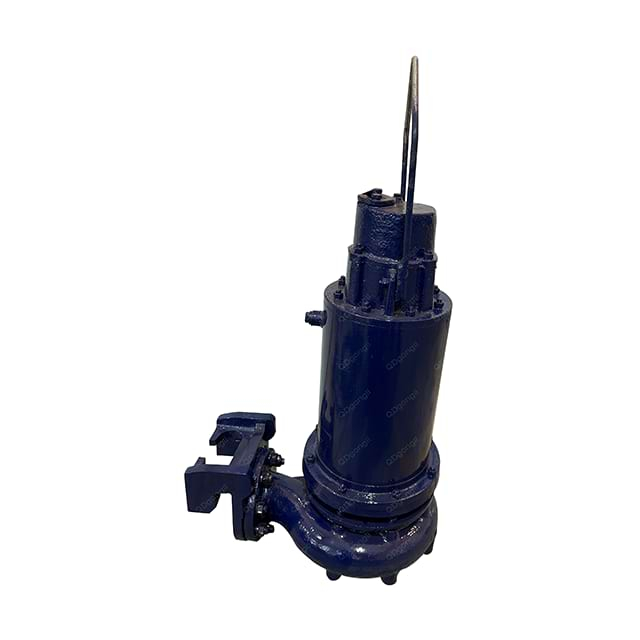
The screw impeller is the heart of a screw centrifugal pump, playing a pivotal role in the fluid movement process. It features a spiral-shaped blade that allows for the efficient transfer of liquids. This unique design minimizes turbulence, ensuring that energy loss is kept to a minimum during operation. The impeller's geometry is crucial in determining how effectively it can move different types of fluids, including those with solid particles or high viscosity.
The impeller consists of two main sections: the inducer and the centrifugal section. The inducer is designed to gently draw fluid into the pump, while the centrifugal section accelerates the fluid outward, increasing its pressure significantly. This dual action ensures a smooth flow, which is essential for maintaining the overall efficiency of the pump.
Benefits of the Spiral Design:
● Prevents Clogging: The large flow channels reduce the risk of blockages caused by solids, making it suitable for various applications, including wastewater treatment.
● Reduces Energy Loss: The smooth flow helps maintain energy efficiency, which can lower operational costs significantly.
Benefit | Description |
Non-Clogging Operation | Ideal for handling liquids with solids or debris. |
High Efficiency | Optimizes energy use, leading to cost savings. |
QDGongli has developed several patented designs for their screw impellers, focusing on enhancing both efficiency and longevity. These innovations incorporate advanced materials and engineering techniques that allow the pumps to outperform traditional designs. By investing in research and development, QDGongli ensures that their pumps not only meet but exceed industry standards.
The pump casing serves as the protective outer shell that houses the impeller, playing a vital role in guiding the fluid and maintaining the pump's efficiency. Constructed from durable materials, the casing is designed to withstand high pressures and corrosive environments, which are common in many industrial applications.
Typically made from high-strength alloys or composite materials, the casing is engineered to endure the harsh conditions often found in pumping environments. The volute design within the casing is critical for converting kinetic energy into pressure efficiently. A well-designed casing minimizes turbulence, ensuring that the pump operates smoothly and effectively.
Casing Feature | Function |
Volute | Collects fluid from the impeller and converts velocity to pressure. |
Suction Nozzle | Guides fluid into the impeller, ensuring smooth entry. |
The volute’s shape directly affects how fluid moves through the pump. A well-designed volute minimizes turbulence and promotes stable pressure output. The suction nozzle also plays a crucial role in maintaining efficient fluid flow, directly impacting the pump's overall performance.
Example of QDGongli’s Design: QDGongli optimizes its volute for high-flow applications, ensuring that their pumps can handle demanding tasks effectively. This optimization leads to improved energy efficiency and reliability, making their products suitable for various industrial needs.
The drive system is essential for transmitting power from the motor to the impeller. It consists of several key components, including the shaft, bearings, and motor, all of which work together to ensure the pump operates smoothly and efficiently.
● Shaft: Connects the motor to the impeller, transmitting rotational energy effectively.
● Bearings: Support the shaft and allow smooth rotation, reducing wear and tear on components.
● Motor: Provides the necessary power for operation, often selected based on the pump's application requirements.
Component | Function |
Shaft | Transmits rotational energy from the motor to the impeller. |
Bearings | Support the shaft and reduce friction during operation. |
Motor | Supplies power necessary for pump operation. |
The drive system significantly impacts how well the pump operates. Effective torque transmission ensures that the impeller spins at optimal speeds, enhancing fluid movement. Proper load handling is crucial for maintaining performance and longevity. QDGongli utilizes high-strength materials in their pump shafts, which enhances durability and reduces maintenance requirements. This innovation allows their pumps to perform reliably under challenging conditions.
Mechanical seals and wear plates are critical for maintaining the pump's efficiency and safety. They prevent leaks and protect internal components from damage, ensuring that the pump operates smoothly over time.
Proper sealing is essential to ensure that the pumped liquid does not leak, which is especially important in applications involving hazardous materials. Mechanical seals are designed to minimize leakage, often achieving rates far below industry standards, which is crucial for environmental protection and operational safety.
Role of Wear Components:
● Extend Pump Life: Wear plates protect the casing and impeller from abrasive materials, significantly increasing the overall lifespan of the pump.
● Reduce Maintenance: Effective sealing reduces the need for frequent repairs, allowing for more reliable operation.
QDGongli’s Approach: QDGongli employs advanced mechanical seals in their pumps to minimize environmental impact and enhance reliability. This focus on sealing technology ensures their pumps remain efficient and safe, catering to industries that require stringent safety standards.
Ports and nozzles are critical components that facilitate fluid entry and discharge. They dictate how effectively the pump can operate, influencing both flow rates and pressure.
The inlet port allows fluid to enter the pump, while the outlet port discharges the pressurized fluid. The design of these ports directly impacts the pump’s performance, affecting how quickly and efficiently it can move liquids.
Impact on Performance:
● Port Geometry: The shape and size of the ports can significantly affect flow rates and pressure stability.
● Custom Designs: Tailored port designs can enhance efficiency for specific applications, making a considerable difference in operational effectiveness.
QDGongli’s Custom Port Designs: QDGongli tailors its port designs to meet the unique needs of various industries. This customization ensures optimal performance, making their pumps suitable for a wide range of applications, from industrial processing to agricultural irrigation. By focusing on the specific requirements of their clients, QDGongli enhances the overall functionality and reliability of their screw centrifugal pumps.
Screw centrifugal pumps offer several key advantages that make them a preferred choice in various industries. Their non-clogging operation is one of the standout features, allowing them to handle liquids with solid particles without the risk of blockages. This capability is especially valuable in applications where debris or particulates are present, such as in wastewater treatment and industrial processes.
Another significant advantage is their high efficiency. The unique design of screw centrifugal pumps minimizes energy loss during operation. This efficiency translates into lower operational costs, making them an attractive option for businesses looking to optimize their pumping systems.
These pumps are also known for their versatility. They can handle a wide range of fluids, including those that are viscous or contain solids. This adaptability makes screw centrifugal pumps suitable for diverse applications, from agricultural irrigation to chemical processing.
Advantage | Benefit |
Non-Clogging Operation | Reduces maintenance and downtime. |
High Efficiency | Lowers energy costs and enhances performance. |
Versatility | Suitable for various fluids and applications. |
The advantages of screw centrifugal pumps significantly benefit specific industries. In environmental governance, these pumps are crucial for managing wastewater and treating effluents. Their ability to handle solids ensures that treatment plants can operate efficiently without frequent interruptions caused by clogging.
In marine engineering, screw centrifugal pumps are vital for ballast water management and other applications. Their reliability and efficiency help maintain operational integrity in challenging marine environments.
● Wastewater Treatment: Handling sewage and sludge effectively, ensuring compliance with environmental regulations.
● Agricultural Irrigation: Efficiently moving water to crops, maximizing yield and resource use.
● Chemical Processing: Safely transporting corrosive and viscous fluids, reducing the risk of leaks and spills.
QDGongli Technology Co., Ltd. has made significant strides in the market with its innovative screw centrifugal pumps. Their products have been successfully implemented across various industries, showcasing their effectiveness and reliability.
1. Wastewater Treatment Facilities: QDGongli pumps have been deployed in several treatment plants, where their non-clogging design has led to reduced maintenance costs and improved operational efficiency.
2. Agricultural Projects: In large-scale irrigation systems, QDGongli pumps have proven to enhance water distribution, leading to better crop yields and resource management.
3. Marine Applications: Their pumps are utilized in ballast systems, where reliability is crucial for safety and efficiency.
Industry | Application | Outcome |
Wastewater Treatment | Pumping sewage and sludge | Reduced maintenance and improved efficiency. |
Agriculture | Irrigation systems for crop management | Enhanced water distribution and resource use. |
Marine Engineering | Ballast water management | Increased reliability and operational safety. |
By leveraging these advantages, QDGongli continues to establish itself as a leader in the screw centrifugal pump market, meeting the diverse needs of its clients while promoting sustainability and efficiency across various sectors.
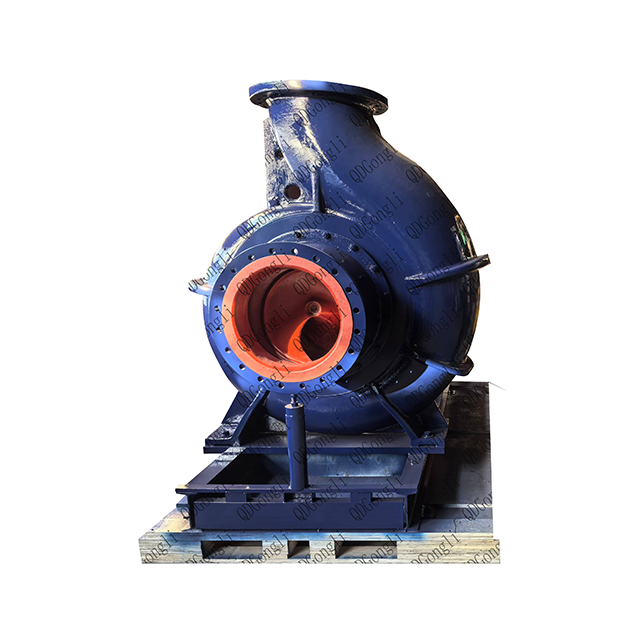
Regular maintenance is essential for ensuring the longevity and efficiency of screw centrifugal pumps. Implementing a routine maintenance schedule helps prevent unexpected failures and keeps the pump operating at optimal performance. Here are some common practices:
1. Visual Inspections: Regularly inspect the pump for any signs of wear, leaks, or corrosion. Look for unusual vibrations or noises during operation.
2. Fluid Levels: Check the fluid levels and ensure that the pump is adequately lubricated. Low lubrication can lead to increased wear and tear on components.
3. Seal Condition: Examine the mechanical seals and wear plates for signs of damage. Damaged seals can lead to leaks, affecting pump efficiency.
Maintenance Task | Frequency | Purpose |
Visual Inspections | Weekly | Identify potential issues before they escalate. |
Fluid Level Checks | Monthly | Ensure proper lubrication and operation. |
Seal Condition Assessment | Quarterly | Prevent leaks and maintain efficiency. |
Even with regular maintenance, issues can arise. Knowing how to troubleshoot common problems can save time and resources. Here are some tips for addressing typical issues:
● Leaks: If you notice fluid leaking from the pump, first check the seals. Worn or damaged seals often cause leaks. Replacing them can usually solve the issue.
● Unusual Noises: If the pump produces strange noises, it may indicate a problem with the bearings or the impeller. Inspect these components for damage or misalignment and replace them as needed.
● Performance Issues: If the pump is not delivering the expected flow rate, check for blockages in the inlet or outlet ports. Clogs can significantly reduce performance, so clearing them can restore functionality.
Issue | Possible Cause | Solution |
Leaks | Worn mechanical seals | Replace seals and check for other damage. |
Unusual Noises | Damaged bearings or impeller | Inspect and replace damaged components. |
Reduced Flow Rate | Blockages in ports | Clear obstructions and ensure proper flow. |
QDGongli Technology Co., Ltd. provides specific maintenance protocols tailored for their screw centrifugal pumps. Following these recommendations can enhance pump performance and reliability.
1. Regular Lubrication: Use high-quality lubricants as specified by QDGongli to ensure smooth operation of moving parts. Proper lubrication reduces friction and wear.
2. Scheduled Inspections: QDGongli recommends conducting detailed inspections every six months. This includes checking all components, including the drive system and seals.
3. Documentation: Keep a maintenance log to track inspections, repairs, and replacements. This documentation helps identify patterns and predict future maintenance needs.
Maintenance Activity | Recommended Frequency | QDGongli's Note |
Lubrication | Monthly | Use specified lubricants for best results. |
Detailed Inspections | Every 6 Months | Ensure all components are functioning correctly. |
Maintenance Logging | Ongoing | Helps track performance and anticipate issues. |
By adhering to these maintenance practices and troubleshooting tips, operators can ensure that their screw centrifugal pumps remain reliable and efficient throughout their operational life. Regular attention to these aspects can lead to significant cost savings and improved performance.
Understanding the components of a screw centrifugal pump is crucial for effective operation. Each part plays a vital role in performance and efficiency.
When selecting a pump, consider your specific application needs. Choosing the right pump ensures optimal results.
For reliability and innovation, consider QDGongli products. Their advanced designs meet diverse industry requirements, making them a trusted choice.
A: Screw centrifugal pumps are widely used in wastewater treatment, agriculture, chemical processing, and marine engineering.
A: Consider factors such as fluid type, viscosity, flow rate, and specific application requirements to select the appropriate pump.
A: The lifespan typically ranges from 10 to 20 years, depending on maintenance and operating conditions.
A: Yes, their design allows them to handle abrasive materials effectively, reducing clogging and wear.