Views: 0 Author: Site Editor Publish Time: 2026-06-19 Origin: Site


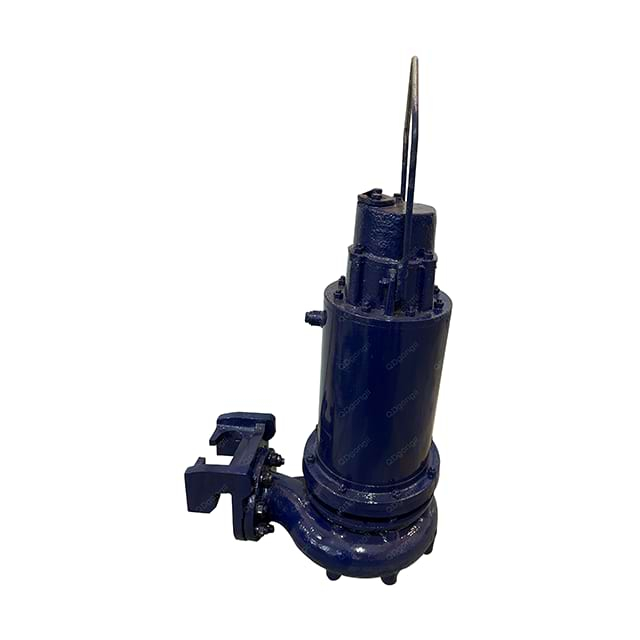
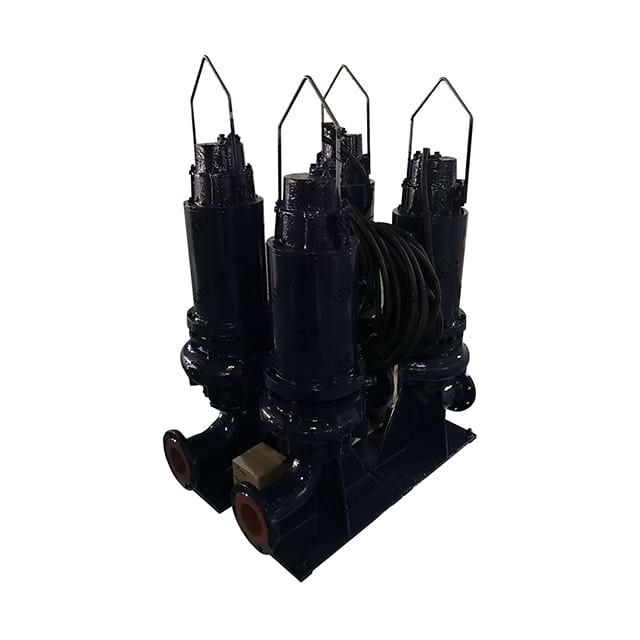
Pumping highly viscous fluids often forces facility engineers into a rigid compromise. You might select standard centrifugal designs and risk drastic efficiency loss. You also risk severe motor burnout. Alternatively, you could invest in a demanding positive displacement (PD) pump. We introduce a proven hybrid solution instead. The single spiral impeller design bridges this operational gap beautifully. It handles heavy solids and thick materials while operating smoothly. You avoid the constant maintenance burdens associated heavily in pure PD technologies. We designed this guide to clarify exact viscosity thresholds. We will explore key performance trade-offs alongside crucial decision-stage criteria. You will learn how to evaluate fluid dynamics precisely. These insights help you determine if this specific technology serves as the correct solution for your exact application. Stop guessing and start designing better fluid transfer systems.
**Viscosity Sweet Spot:** Screw centrifugal pumps efficiently handle fluids up to 3,000–5,000 Centistokes (cSt), significantly outperforming standard centrifugal pumps (which typically fail or degrade heavily past 300–500 cSt).
**Non-Newtonian Advantage:** They excel with shear-thinning (thixotropic) fluids like sludge or pulp, as the screw action lowers apparent viscosity during operation.
**Performance Derating:** While highly capable, handling viscous fluids still requires correcting performance curves for head drop and increased Brake Horsepower (BHP).
**Selection Logic:** If viscosity exceeds 5,000 cSt consistently, or requires strict volumetric metering, a true positive displacement pump (like a progressive cavity pump) is required.
Understanding viscosity limits ensures reliable fluid transfer. We must define specific operational boundaries. Fluid thickness dictates how efficiently your equipment moves material. Engineers measure this resistance using Centistokes (cSt). Let us examine the established baseline thresholds.
Standard water baseline (1 cSt): Water serves as the universal testing standard. Manufacturers base published performance curves on clear water at ambient temperatures.
Maximum limit for standard centrifugal designs (~300 to 500 cSt): Conventional impellers lose their grip on fluids beyond this range. Internal friction prevents efficient kinetic energy transfer.
Operational range for screw centrifugal designs (~500 to 5,000 cSt): The unique corkscrew geometry physically pulls thick materials into the volute. The upper limit depends heavily on your equipment size and operating speed.
Static viscosity never tells the whole story. You must understand fluid rheology. Many industrial fluids behave unpredictably under shear stress. We classify them as Newtonian or Non-Newtonian. Newtonian fluids maintain constant viscosity regardless of agitation. Standard oils typically exhibit Newtonian behavior.
Conversely, many heavy industrial fluids are shear-thinning. We call them thixotropic fluids. Wastewater sludge, paper stock, and heavy syrups fall into this category. The corkscrew action of the impeller agitates the fluid aggressively. This physical rotation reduces the apparent viscosity right at the suction inlet. The fluid temporarily thins out. It flows much easier through the casing. This non-Newtonian advantage allows the pump to process seemingly unpumpable materials. You leverage the mechanical design to alter fluid behavior actively.
You cannot stretch these limits indefinitely. Every hydrodynamic design has a hard operational boundary. Internal friction eventually overcomes the applied centrifugal force. The fluid becomes too thick to spin. It simply rotates inside the casing without moving forward. Engineers call this a zero flow condition. The impeller channels clog completely. When you encounter fluids consistently exceeding 5,000 cSt, you reach this hard boundary. This signals an absolute requirement to switch technologies. You must specify positive displacement technology for extreme viscosities.
No centrifugal design remains immune to viscous drag. Thicker fluids cling to internal surfaces. They resist the rotational energy from the impeller. This resistance changes how you read standard performance data. You must correct factory curves before installation.
Pumping thick materials introduces three primary performance penalties. You must account for these changes during the design phase.
Flow Rate (Q) Reduction: Increased internal friction reduces the total fluid volume moved per minute. The fluid slips past the impeller blades.
Head (H) Drop: Viscous resistance limits discharge pressure. The equipment cannot push thick material as high or as far as clean water.
Brake Horsepower (BHP) Surge: Thicker fluids demand significantly more torque. The motor works much harder to maintain shaft rotation.
Factory performance curves show clean water capabilities. You cannot use these charts directly for thick fluids. If you do, you will undersize your motor. Your system will fail upon startup. The Hydraulic Institute provides standardized correction factors. You apply these mathematical modifiers to the base curve. They predict actual site performance accurately. We calculate a derated flow and a derated head. More importantly, we calculate the inflated horsepower requirement. Proper curve correction prevents severe electrical overloads. It guarantees your system functions reliably under the heaviest loads.
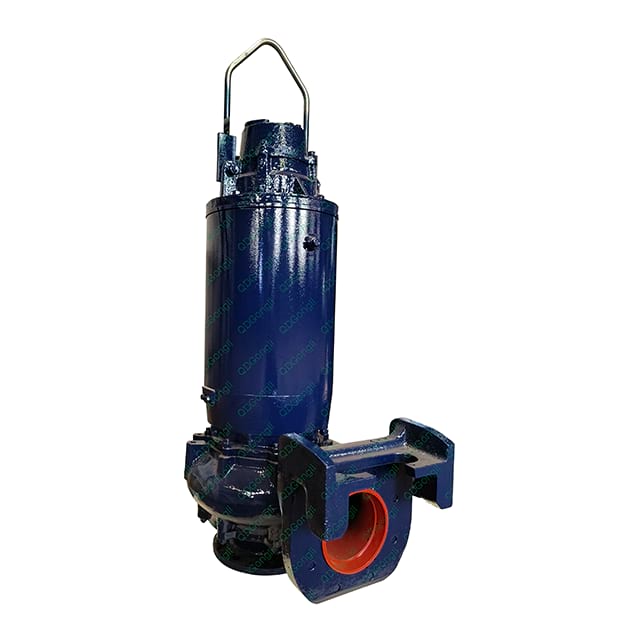
Selecting the right equipment requires clear comparative analysis. You must match the technology to your fluid profile. A Screw Centrifugal Pump occupies a unique middle ground. Let us evaluate the three main categories.
These units work best for clean fluids. They handle light slurries under 300 cSt easily. They rely on high-speed rotation to impart kinetic energy. When viscosity increases, they fail predictably. Rapid cavitation destroys the impeller. You see a severe efficiency drop. Impeller clogging occurs almost immediately in heavy sludge.
This design targets medium-to-high viscosity applications. It easily handles fluids up to 5,000 cSt. It processes high solids content effortlessly. It also protects shear-sensitive fluids. The gentle pumping action prevents fluid degradation. Large free passages prevent internal clogging. You experience much lower maintenance requirements compared to complex PD units.
Engineers specify progressive cavity or twin-screw designs for ultra-high viscosity. They handle pastes exceeding 10,000 cSt. They provide precise volumetric metering. They also resist highly abrasive compounds. However, they carry distinct disadvantages. They suffer strict dry-run vulnerability. A few seconds without fluid destroys the rubber stator. They require a much larger installation footprint. You will face higher stator and rotor wear rates in abrasive applications.
Pump Type | Max Optimal Viscosity | Solids Handling | Maintenance Frequency | Failure Mode in Thick Fluids |
|---|---|---|---|---|
Standard Centrifugal | ~300 - 500 cSt | Poor to Fair | Low (in clean fluids) | Cavitation, Clogging, Zero Flow |
Screw Centrifugal | ~5,000 cSt | Excellent | Low to Medium | Eventual Head Drop, Flow Loss |
Positive Displacement | 100,000+ cSt | Fair to Good | High (Stator Wear) | Over-pressurization, Stator Burnout |
Theoretical limits matter, but practical success drives engineering decisions. Many industries rely on this hybrid technology. They move difficult materials daily. We see excellent operational results across several demanding sectors.
Wastewater treatment facilities present harsh environments. Operators pump thickened sludge constantly. They move clarifier underflow heavily laden with grit. Viscosity fluctuates wildly based on solids concentration. A standard unit clogs quickly here. The spiral impeller design passes large rags and thick sludge without jamming. It adapts to the changing fluid thickness naturally.
Food processing plants face unique fluid challenges. They move delicate mash and heavy syrups. They transport waste byproducts continuously. They must protect product integrity. High-speed standard impellers emulsify delicate mixtures. They damage the cellular structure of food products. The low shear action of the spiral design prevents this degradation. It moves thick food products gently.
Pulp and paper mills transfer dense materials. They handle high-consistency paper stock daily. This fibrous material instantly clogs standard impellers. The paper stock wraps around conventional blades. The corkscrew action pulls the fibrous stock cleanly through the casing. It prevents wrapping and binding completely.
You must evaluate energy draw against downtime. Thick fluids demand higher motor energy. You will consume more electricity processing heavy sludge. However, you gain significant mechanical reliability. You have fewer moving parts to monitor. You eliminate complex stators entirely. Progressive cavity pumps require frequent, labor-intensive stator replacements. You avoid these disruptive teardowns. You trade slightly higher electrical consumption for vastly improved mechanical uptime. This keeps your production line running smoothly.
Proper installation guarantees long-term reliability. High viscosity introduces specific physical risks. You must size your system proactively. We focus on three critical engineering dimensions.
High viscosity drastically increases friction loss in your suction piping. Thick fluids resist flowing into the pump inlet. This resistance lowers your available Net Positive Suction Head (NPSHa). If NPSHa drops below the required minimum (NPSHr), cavitation occurs immediately. Cavitation destroys metal surfaces. You must mitigate this risk during the piping design phase. Keep your suction lines as short as possible. Use much larger pipe diameters for the suction side. Eliminate unnecessary elbows or valves before the inlet. These steps preserve your NPSHa.
You cannot run viscous applications at high speeds. Thick fluid moves slowly. It needs time to fill the impeller channels completely. We follow a strict implementation rule of thumb. Higher viscosity requires lower operating speeds. If you run the shaft too fast, the fluid cannot keep up. Empty pockets form inside the volute. This causes severe vibration and cavitation. You typically use slower multi-pole motors. You might also implement variable frequency drives (VFDs) to dial in the perfect RPM.
Motor sizing requires extreme caution. Viscosity changes with temperature. Cold fluids grow much thicker. You must specify your High Viscosity Pump motor for the worst-case scenario. We size motors for the maximum expected viscosity condition. Consider a cold winter morning startup. The fluid is stiff and highly resistant. If you sized the motor for warm operating temperatures, it will trip the overload relays immediately. An oversized motor handles this initial torque spike safely. It ensures reliable starting under the harshest seasonal conditions.
Pumping thick materials demands clear engineering logic. You face distinct choices between centrifugal and positive displacement technologies. We detailed a practical decision framework for your next project. Choose a screw centrifugal design when you need exceptional solids-handling capabilities. Select it when you desire mechanical simplicity. It shines perfectly when the fluid proves too thick or shear-sensitive for standard impellers, yet falls below the 5,000 cSt threshold.
Take actionable steps before your next purchase. Gather your exact fluid data first. Measure the dynamic viscosity at your lowest expected operating temperature. Determine the specific gravity and vapor pressure accurately. Take these exact figures to a qualified application engineer. Request a fully corrected performance curve based on your specific fluid. This rigorous approach prevents costly field failures. It guarantees your new system will operate flawlessly from day one.
A: Specific gravity affects the physical weight of the fluid. It directly impacts the horsepower required to lift the material vertically. Viscosity measures the fluid's resistance to flow. It impacts internal friction, total flow rate, and discharge head. Both properties require completely independent motor sizing corrections during system design.
A: Yes, this represents its primary technological differentiator. The open, spiral impeller design allows large, stringy solids to pass through without clogging. It manages this while simultaneously processing thick mediums like municipal sludge or paper pulp.
A: Viscosity remains highly temperature-dependent. Cold temperatures increase fluid thickness dramatically. Fluids like heavy oils or syrups often become unpumpable at ambient temperatures. You can handle them easily if your system includes heat tracing. Heating lowers the viscosity prior to the inlet, enabling smooth operation.