Views: 0 Author: Site Editor Publish Time: 2026-06-12 Origin: Site


Standard pumping solutions force a difficult compromise on industrial sites. Centrifugal pumps deliver high flow rates. They frequently struggle, however, when confronting clogging debris or fluid shear. Positive displacement pumps handle viscosity easily. Yet they demand larger footprints and intensive maintenance routines. Engineers face constant downtime when neither option perfectly fits the fluid profile.
The submersible screw centrifugal pump bridges this exact operational gap. It combines a single spiral vane inside a centrifugal volute. This hybrid design handles highly problematic fluids without sacrificing operational uptime. You can pump abrasive slurries, stringy organic debris, and shear-sensitive emulsions reliably. It effectively eliminates the need to choose between flow capacity and debris tolerance.
This guide provides engineers and procurement teams an objective evaluation framework. You will learn how this specific pump architecture operates. We will detail which complex fluid categories it handles best. Ultimately, this article helps you determine if this technology aligns with your specific fluid handling challenges and operational environments.
Solids & Debris: Excels at passing large, stringy, and fibrous materials without the clogging risks inherent to standard centrifugal impellers.
Viscosity Limits: Effectively transports high-viscosity sludges and slurries that would typically cause a standard centrifugal pump to cavitate or fail.
Low Shear: The gentle fluid transition through the screw impeller prevents damage to delicate solids and prevents emulsification in oil/water mixtures.
Evaluation Focus: The primary justification for this pump's higher initial CAPEX is the drastic reduction in maintenance downtime and clogging-related interventions.
The core innovation lies within the impeller geometry. A standard centrifugal pump uses multiple radial vanes to accelerate fluid outward. This abrupt action creates turbulence and snagging points. In contrast, the screw centrifugal design uses a single-channel spiral vane. It starts as a positive displacement screw at the suction inlet. The shape then transitions smoothly into a traditional centrifugal profile near the discharge.
This gradual transition gives fluids a smooth continuous path. The corkscrew entry gently pulls material into the casing. As the fluid moves along the expanding vane, centrifugal force takes over. This dual-action design provides the high flow rates of a centrifugal pump. It simultaneously delivers the gentle, non-clogging characteristics of a screw pump. The open channel design prevents solids from wedging between vanes.
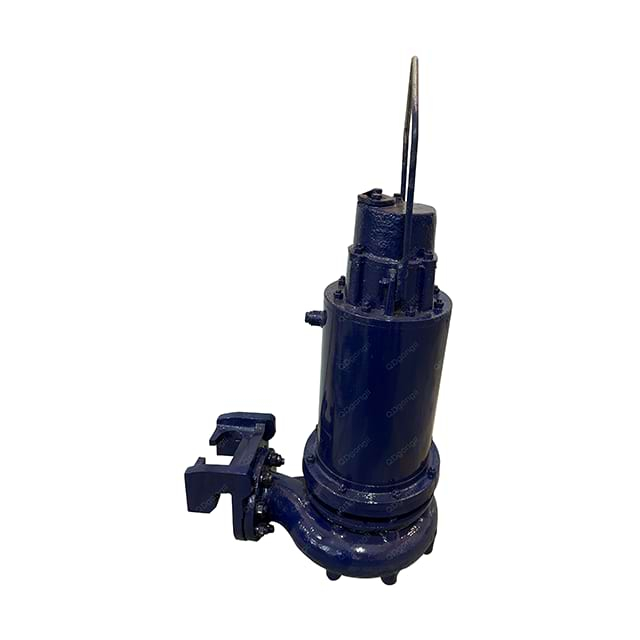
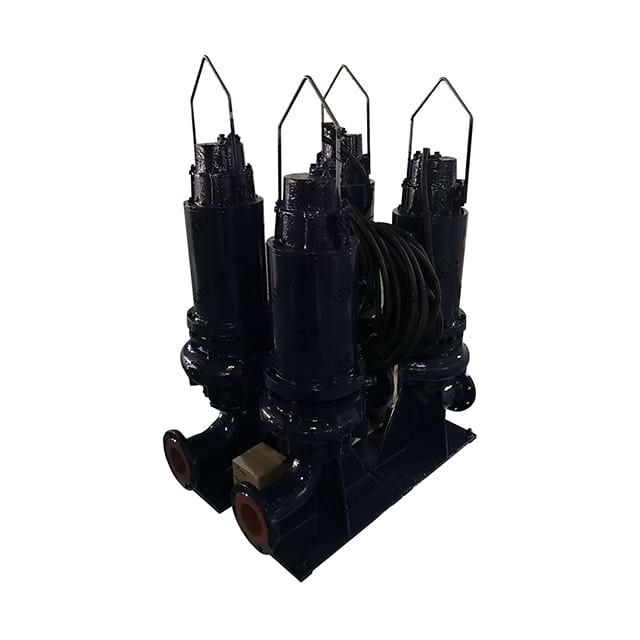
Placing the equipment directly into the fluid reservoir solves numerous installation challenges. Operating a Submersible Pump completely underwater provides excellent natural motor cooling. The surrounding fluid absorbs the heat generated during continuous operation. This extends motor life and prevents thermal overload.
Submerged operation also eliminates complex suction lift issues. Traditional dry-pit pumps often lose prime. They require auxiliary vacuum systems or foot valves to pull fluid uphill. A submerged unit sits entirely below the fluid level. Positive head pressure constantly feeds the suction inlet. This configuration drastically reduces the facility footprint. You eliminate the need for extensive dry-pit piping networks and separate pump houses.
Standard radial impellers force fluids to make an abrupt ninety-degree turn upon entering the eye. This sudden directional shift causes severe turbulence. Heavy solids strike the backplate, while stringy materials wrap around the leading edges of multiple vanes. Over time, these masses accumulate and completely block flow.
The screw centrifugal geometry avoids these harsh impacts entirely. The extended screw section aligns parallel to the incoming flow. It gently accelerates the material before directing it radially outward. The sweeping motion actively pushes rags and debris away from the leading edge. The fluid experiences minimal disruption. This smooth hydraulic profile establishes the baseline for why it handles difficult, shear-sensitive, and debris-laden fluids so effectively.
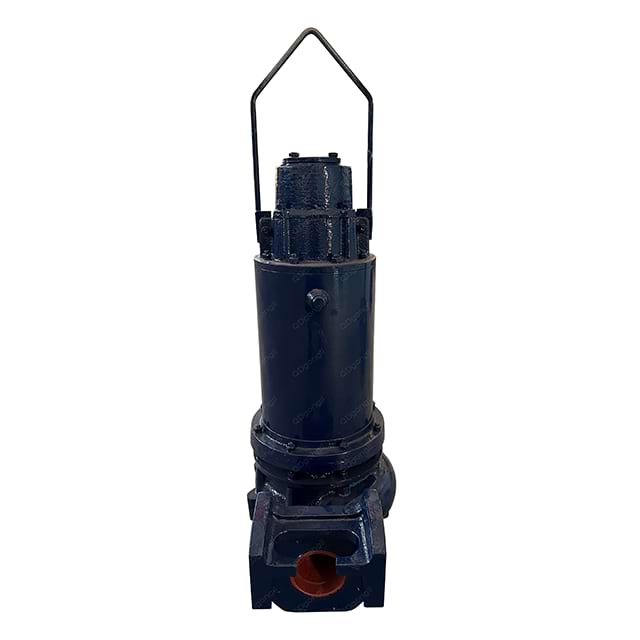
Modern wastewater streams present extreme challenges for standard equipment. The proliferation of flushable wipes, sanitary products, and synthetic fibers creates severe ragging issues. These materials twist together inside pipes to form dense, rope-like obstructions. Conventional wastewater pumps require frequent manual cleanouts. Maintenance teams must physically pull the pumps from wet wells to cut away trapped debris.
The single-channel corkscrew action effectively defeats fibrous debris. When a mass of wipes enters the suction cone, the screw gently engages it. The continuous spiral vane guides the stringy material through the volute. There are no secondary vanes or sharp edges to catch the fibers. The pump successfully passes the debris intact. It does not require separate macerators or chopping mechanisms. This preserves hydraulic efficiency while virtually eliminating manual unclogging interventions.
Industrial processing facilities and large-scale agricultural operations generate heavily contaminated runoff. The fluid streams often contain complex solid mixtures. You will frequently encounter suspended organic waste, whole food scraps, and abrasive marine debris. Standard impellers quickly choke on these irregular shapes.
The expansive free passage of the screw centrifugal design accommodates bizarrely shaped solids. It eagerly handles problematic agricultural and industrial waste, including:
Poultry processing offal, bones, and feathers.
Whole vegetables, fruit peels, and harvest wash-down debris.
Manure slurries containing straw, animal bedding, and twine.
Fish processing waste and aquaculture plant runoff.
The primary success criterion here involves maximizing uptime. By passing agricultural debris whole, facilities experience a massive reduction in manual ragging events. Operational maintenance hours drop significantly. Process continuity improves when plant operators no longer pause production to clear clogged intakes.
Fluid viscosity dramatically impacts pump performance. As liquids thicken, internal fluid friction increases. Standard centrifugal pumps struggle against this resistance. Their efficiency drops precipitously. Head pressure diminishes, and flow rates plummet. At high viscosities, radial impellers simply spin inside a localized pocket of fluid without moving the surrounding sludge.
The screw centrifugal architecture maintains hydraulic efficiency at much higher viscosity thresholds. The prolonged screw section creates positive displacement characteristics at the inlet. It actively pulls viscous sludges into the casing. This design handles sludges containing up to 10% to 15% dry solids. Standard centrifugals typically fail well before reaching these concentrations.
The table below summarizes typical performance limits across different pump architectures when handling thick fluids:
Pump Architecture | Max Dry Solids (%) | Clogging Risk | Fluid Shear Level |
|---|---|---|---|
Standard Centrifugal | 3% - 5% | High (snags on multiple vanes) | High |
Chopper Pump | 6% - 8% | Medium (requires sharp blades) | Very High |
Screw Centrifugal | 10% - 15% | Very Low (single open channel) | Low |
Positive Displacement (Rotary) | 15%+ | Medium (tight internal clearances) | Low to Medium |
Mining operations, dredging projects, and drilling sites produce exceptionally heavy muds. These mineral-rich slurries pose a unique threat known as cavitation. Thick mud resists flowing smoothly into standard pump inlets. This creates localized low-pressure zones. The fluid vaporizes into bubbles. These bubbles forcefully collapse against the metal, tearing away small chunks of the impeller.
The steep angle of the screw impeller physically scoops thick fluids from the reservoir. It actively feeds the heavy mud into the pump casing. This aggressive scooping action maintains adequate net positive suction head (NPSH). The pump prevents the pressure drops that trigger cavitation. It reliably transports dense drilling muds, sand slurries, and bottom-ash without starving the suction intake.
Many industrial processes involve fluids easily damaged by mechanical agitation. Standard radial pumps batter the fluid. They smash fragile suspended particles against the volute walls. This violent action destroys the essential properties of biological or agricultural products. You cannot use high-turbulence pumps when the physical integrity of the solid matters.
The screw impeller offers exceptionally low-turbulence fluid handling. The sweeping profile creates a gentle, low-shear transition zone. Activated sludge flocs remain intact when transported between wastewater treatment basins. Live fish and delicate aquatic organisms survive passage through aquaculture transfer stations. Whole fruits and vegetables in food processing plants emerge unbruised. The hydraulic design prioritizes safe, gentle conveyance over aggressive acceleration.
Low shear characteristics prove critical during oil spill recovery and industrial oil-water separation. When oil and water enter a standard pump together, the violent turbulence acts like a blender. It mechanically whips the two distinct liquids into a tight emulsion. Once emulsified, the oil becomes incredibly difficult and expensive to separate downstream.
The gentle action of this specialized pump prevents mechanical emulsification. The long spiral gently glides the mixture through the casing. The fluids experience minimal agitation and mixing. The oil and water remain largely separate as they exit the discharge. Gravity separators and coalescing filters located downstream can then process the fluids efficiently. Preventing emulsions at the intake phase saves tremendous processing effort later.
Before procuring new equipment, you must systematically evaluate your application. Determining if a Screw Centrifugal Pump represents the optimal engineering choice requires hard data. You should map your fluid properties accurately to ensure successful deployment. Compile the following metrics before approaching a manufacturer:
Maximum spherical solid size: Measure the largest incompressible object the pump must pass safely.
Percentage of dry solids: Determine the thickness of sludges to ensure it falls within the 10% to 15% operational threshold.
Specific gravity: Calculate the fluid density to accurately size the motor horsepower and prevent overloading.
Viscosity profile: Note how the fluid's resistance changes under different temperatures or shear rates.
Engineers often weigh this pump against standard submersible units or chopper pumps. You must look beyond initial acquisition criteria and evaluate continuous performance over years of operation. Standard vortex pumps handle solids well but suffer from terrible hydraulic efficiency. They consume massive amounts of energy to move fluid. Chopper pumps actively cut debris, but they degrade quickly when blades dull.
The screw centrifugal design offers a superior performance balance. It achieves hydraulic efficiencies significantly higher than standard vortex designs. This dramatically reduces continuous power consumption. Furthermore, by passing debris whole, the pump eliminates the frequent downtime associated with clearing standard impellers or sharpening chopper blades. You maintain continuous production cycles without dispatching emergency maintenance crews.
Heavy industries operate under stringent environmental regulations. Toxic sludges, corrosive chemical slurries, and biological wastes require absolute containment. Surface-mounted pumps utilize dynamic packing or exposed seals that frequently leak volatile compounds into the atmosphere. This creates severe compliance risks and workplace hazards.
Submersible designs offer robust sealed operational reliability. The entire pumping unit operates safely below the fluid surface. Hazardous fumes remain trapped within the wet well. The sealed cable entries and enclosed motor housing prevent environmental spills. When handling heavily regulated liquids, submerged placement minimizes the risk of accidental exposure during routine operation.
We must acknowledge the mechanical realities of this design. The pump achieves its high efficiency through tight dimensional tolerances. A precise gap exists between the rotating screw impeller and the stationary suction cone. When this gap remains tight, fluid cannot slip backward. The pump operates at peak capability.
Pumping highly abrasive fluids like sand slurries or grit accelerates wear on these metal surfaces. The gap widens as the abrasive particles grind against the suction liner. This internal wear causes fluid recirculation. Flow rates and efficiency will eventually drop. Maintenance teams must perform periodic clearance adjustments. Most manufacturers include an adjustable suction cone to easily restore the factory tolerances without replacing major components.
Operating underwater demands rigorous motor protection. If fluid breaches the motor casing, catastrophic electrical failure occurs instantly. Mechanical seals provide the primary defense line between the wet pump end and the dry motor housing. Standard carbon/ceramic seals degrade rapidly when exposed to aggressive industrial fluids.
You must specify appropriate seal materials for harsh submerged environments. Hard-faced materials like Silicon Carbide or Tungsten Carbide withstand the grinding action of abrasive slurries. Additionally, you should equip the motor with internal sensor arrays. Early warning moisture detection probes alert control systems if a microscopic seal leak develops. This allows operators to schedule proactive maintenance before the motor sustains irreversible water damage.
The submersible screw centrifugal pump serves as a highly specialized engineering tool. It thrives precisely at the intersection where standard pumps fail due to severe clogging, high viscosity, or dangerous fluid shear. By merging the best traits of positive displacement and centrifugal architectures, it delivers reliable flow for the most demanding industrial fluids.
You avoid the constant maintenance interventions required by standard impellers. You protect delicate biological flocs from destructive turbulence. You confidently move thick, abrasive sludges without triggering cavitation.
Your next step involves empirical evaluation. Gather your process data immediately. Compile your flow rates, head pressure requirements, solid sizes, and viscosity figures. Present this specific information to a trusted manufacturer to run a customized pump curve analysis and verify performance parameters for your facility.
A: The maximum solid size depends directly on the specific pump frame and discharge diameter. Generally, the single-channel design allows the passage of large spherical solids nearly equal to the pump's discharge port size. This massive free passage prevents large rocks or unified masses of debris from jamming the internal volute.
A: Chopper pumps actively slice and cut incoming debris using sharpened blades. This cutting action reduces efficiency, consumes extra energy, and causes high fluid shear. Screw centrifugal pumps gently pass the debris whole. This preserves both energy efficiency and the physical integrity of delicate solids suspended in the fluid.
A: Standard submersible motors rely on the surrounding liquid for heat dissipation. Running them dry for extended periods causes motor overheating and mechanical seal failure. Prolonged dry running requires specific factory modifications, such as closed-loop cooling jackets or oil-filled motor housings, to manage heat safely.
A: They handle abrasives well, but you must take specific precautions. High sand or grit content accelerates internal wear. You should specify hardened construction materials like High Chrome Iron for the impeller and suction cone. You must also schedule regular maintenance to adjust the internal clearances and maintain hydraulic efficiency.