Views: 0 Author: Site Editor Publish Time: 2026-06-16 Origin: Site


Plant engineers and procurement teams often hesitate to specify hybrid pump designs. They fear inflated operational expenses and excessively high power draw. This hesitation creates a significant operational dilemma across many industrial facilities. The hybrid screw-centrifugal impeller serves a very distinct purpose. Engineers design it for low-shear fluid handling. It prevents clogging when moving high-solids materials. However, this specialized geometry fundamentally alters standard hydraulic efficiency. These robust units are never inherently power hogs. Their energy efficiency depends entirely on accurate system sizing. It also relies heavily on fluid viscosity. You must align daily operation closely alongside the Best Efficiency Point (BEP). In this article, you will learn the exact mechanics driving energy consumption. We will explore how solid profiles dictate performance outcomes. You will discover clear evaluation criteria for specifying equipment. This knowledge prevents excessive energy waste while maintaining critical plant uptime.
System Mismatch is the Primary Power Drain: High energy consumption is rarely a design flaw of the pump itself; it is typically caused by operating too far left or right of the BEP.
TCO Overrides Raw Power Metrics: While initial kilowatt-hour (kWh) draw might appear slightly higher than standard clear-water pumps, the reduction in downtime, clogging, and maintenance often yields a lower Total Cost of Ownership (TCO).
Viscosity and Solids Dictate Efficiency: Efficiency drops and power consumption spikes predictably when fluid viscosity exceeds the specific pump's design threshold.
Clear Evaluation Criteria: Selecting the right pump requires prioritizing non-clogging capabilities alongside standard hydraulic efficiency curves.
The hybrid impeller relies on a unique single-channel design. It transitions smoothly from a corkscrew shape into a traditional centrifugal profile. This specific geometry transfers kinetic energy efficiently into the fluid stream. The corkscrew section gently scoops incoming material. It avoids the violent impacts common in standard radial impellers. However, this extended surface area generates more internal friction. Fluid drags along the elongated blade path. This drag naturally creates more mechanical resistance. You must acknowledge this engineering reality during the selection process. The friction inevitably demands slightly higher motor input power.
Handling large solids requires specific mechanical compromises. Pumping rags or viscous sludge demands much larger internal clearances. Tight clearances would cause immediate binding or catastrophic failure. We deliberately open the gaps between the impeller and the casing. This open design prevents fibrous materials from wrapping around the shaft. Unfortunately, these larger clearances compromise peak hydraulic efficiency. Fluid slips backwards through these intentional gaps. This slip reduces overall volumetric efficiency compared to clean-water centrifugal pumps. Engineers accept this trade-off willingly. Continuous operation holds far more value than a marginal efficiency gain.
This design offers a hidden energy advantage. The smooth pumping action prevents severe fluid emulsification. It minimizes internal turbulence dramatically. Traditional pumps chop and churn delicate fluids. This chaotic fluid dynamics wastes immense amounts of kinetic energy. The hybrid design preserves this energy instead. It channels the fluid smoothly through the volute. This low-shear environment benefits delicate biological flocs. It also protects shear-sensitive polymers from degradation. By reducing internal turbulence, the pump reclaims energy. This reclaimed energy offsets the friction losses created by the extended blade.
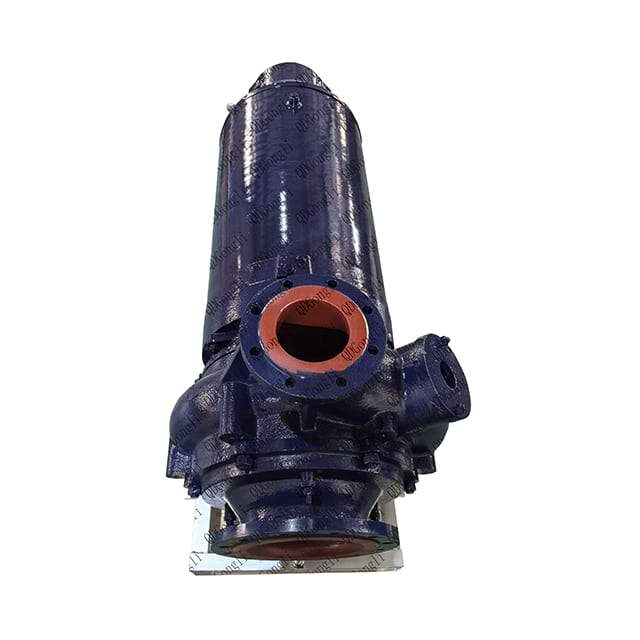
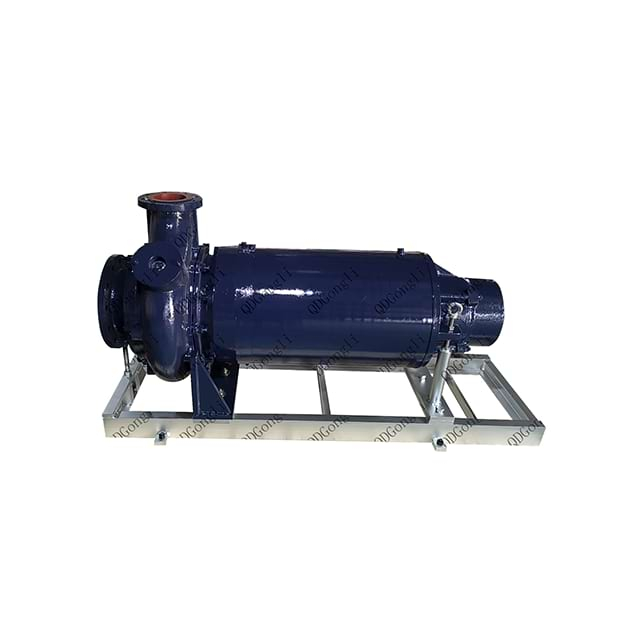
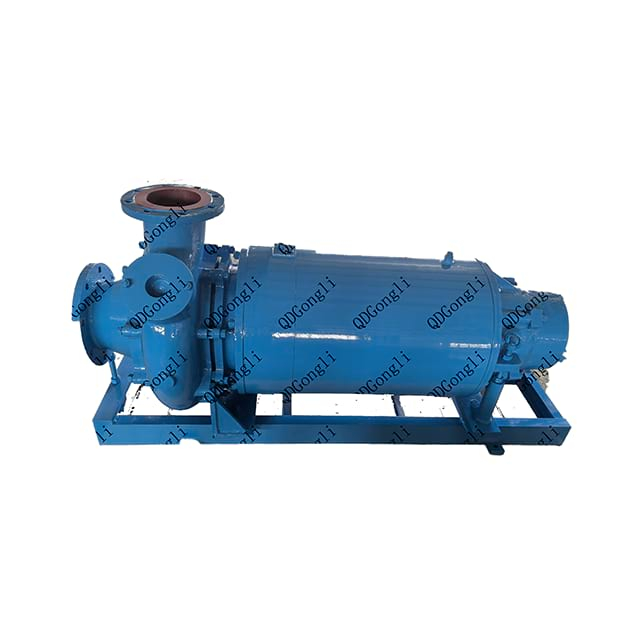
When specifying equipment, you must understand distinct performance profiles. A standard Axial Flow Pump pushes massive volumes of liquid. It operates exclusively at extremely low heads. These units excel at moving clean water across short distances. Think of municipal flood control stations or agricultural irrigation channels. Conversely, an Axial Flow Screw Centrifugal Pump operates differently. It delivers moderate-to-high flow rates against moderate heads. It easily handles dense slurries and heavy fibrous materials. A standard axial unit would quickly choke or stall under these conditions.
These two designs exhibit completely different power consumption curves. Standard axial pumps consume their peak power at shut-off. Closing a discharge valve spikes the motor load dangerously. You must start them against open valves. Screw-centrifugal units follow a more traditional power curve. Their power consumption generally increases alongside the flow rate. Operating them near shut-off actually reduces motor strain. You must understand these curve differences to size motors correctly. Incorrect motor sizing leads to nuisance tripping and premature failure.
Operational Metric | Standard Axial Flow Design | Screw-Centrifugal Hybrid Design |
|---|---|---|
Flow Volume | Extremely high | Moderate to high |
Discharge Head | Very low (typically under 10 meters) | Moderate (capable of pushing through long pipes) |
Peak Power Draw | At zero flow (shut-off) | At maximum flow (run-out) |
Solids Handling | Poor (clean water only) | Excellent (handles dense sludge and rags) |
Choose standard axial equipment for massive-volume transfers. Use them exclusively for clean fluids. They dominate large-scale flood mitigation projects. Choose screw-centrifugal units when handling tough liquids. Use them whenever fluid density threatens standard pump uptime. They protect critical processes from unexpected blockages. Always match the pump geometry to your worst-case fluid scenario.
The Best Efficiency Point represents perfect hydraulic balance. The Hydraulic Institute (HI) guidelines emphasize staying near this point. Operating at excessive flow rates causes run-out. Run-out creates severe mechanical stress and wastes energy. Operating at highly restricted flows causes similar damage. It forces fluid to recirculate violently inside the casing. This internal recirculation destroys efficiency entirely. It converts motor energy directly into destructive heat and vibration.
Factory clearances dictate volumetric efficiency. Excessive clearance between the screw impeller and the suction cone is disastrous. It allows high-pressure fluid to leak back into the suction side. The pump works much harder to move the same net volume. This internal slip drastically spikes overall power draw. Proper maintenance crews check these clearances regularly. Adjusting the wear cone restores original efficiency levels. Neglecting this adjustment artificially inflates your energy bills.
Fluid properties change dynamically in many industrial processes. Handling fluids thicker than originally specified causes immediate issues. High viscosity increases internal friction exponentially. Thicker fluids demand significantly more brake horsepower (BHP) from the motor. Specific gravity changes also multiply power requirements. Pumping heavier sludge requires proportionally more energy. You must monitor fluid properties to explain sudden amperage spikes.
Mechanical degradation inflates motor amp draw silently over time. We frequently observe several common mechanical faults.
Worn Bearings: Degraded bearings create immense rotational drag on the shaft.
Misaligned Shafts: Coupling misalignment forces the motor to fight structural binding.
Clogged Suction Lines: Partial blockages starve the pump. This creates localized cavitation and wastes energy.
Tight Packing: Over-tightened mechanical seals or packing glands restrict shaft rotation severely.
Address these mechanical issues before blaming the hydraulic design.
You must evaluate equipment based on continuous operational uptime. A minor drop in hydraulic efficiency seems problematic initially. However, it matters very little in real-world sludge applications. Standard pumps stall frequently when handling rags. Maintenance crews must manually lock out the equipment. They spend hours opening casings and removing debris. Unplanned downtime ruins facility productivity. The hybrid pump simply passes these difficult solids. It trades a few efficiency percentage points for uninterrupted operation. The value of continuous uptime drastically outweighs minor power differences.
Abrasive wear destroys standard impellers rapidly. Standard designs suffer from localized wear patterns. High-velocity impacts erode specific blade edges quickly. Screw-centrifugal designs distribute wear much more evenly. The extended impeller cone spreads abrasive friction across a larger area. This uniform wear preserves rotational balance over time. It prevents the severe vibration spikes common in degraded standard pumps. Longer intervals between major overhauls provide immense operational relief. You replace fewer parts over the equipment lifecycle. This durability offsets slightly higher daily power consumption entirely.
Smart operational control minimizes power consumption effectively. Variable Frequency Drives (VFDs) transform how these pumps operate. The affinity laws dictate centrifugal pump behavior. Dropping the rotational speed slightly reduces power consumption significantly. VFDs match pump output to system demand dynamically. They mitigate peak power draw during low-load periods. Operators can dial in the exact speed required for varying sludge densities. They avoid wasting energy through outdated throttling valves. Proper VFD integration turns this robust pump into an energy-efficient asset. Always size the motor to handle the thickest anticipated fluid condition.
Never guess your fluid properties during the specification phase. Accurate fluid profiling determines long-term success. Map out the exact specific gravity precisely. Determine the absolute maximum solid size limit. Understand the complete viscosity range across all temperature fluctuations. Provide this comprehensive profile to the manufacturer. This data dictates the physical geometry of the impeller. It also determines the necessary motor horsepower reserves.
Suction conditions dictate hydraulic stability entirely. You must calculate Net Positive Suction Head available (NPSHa) rigorously. Account for atmospheric pressure, fluid vapor pressure, and friction losses. Ensure your NPSHa comfortably exceeds the pump's required head (NPSHr). Failing to maintain this margin causes aggressive cavitation. Imploding vapor bubbles destroy impeller surfaces rapidly. Cavitation destroys both efficiency and expensive equipment. Maintain at least a one-meter safety margin between these two values.
Demand absolute transparency when evaluating pump manufacturers. Never accept generic marketing curves. Request certified performance curves for your specific application. Ensure these curves clearly plot efficiency percentages. Verify they show exact Brake Horsepower (BHP) requirements. Check the NPSHr curve against your proposed duty point. Reputable vendors provide clear data regarding solid handling limitations. They will tell you exactly where efficiency drops occur.
Your facility features a unique system friction curve. The vendor's proposed pump curve must align with it. Verify that the pump's Best Efficiency Point intersects your system curve perfectly. An intersection too far left indicates an oversized pump. An intersection too far right indicates an undersized pump. Both scenarios guarantee excessive energy consumption and rapid mechanical wear. Getting this intersection right guarantees optimal energy usage for years.
The axial flow screw centrifugal pump provides an energy-efficient solution. It excels specifically when applications require robust, continuous solids-handling capabilities.
Forcing a standard pump to do a tough job creates massive hidden burdens. It consumes far more total energy through repeated failures and blockages.
Specifying the right hybrid pump from day one guarantees process stability. It prevents frantic midnight maintenance interventions entirely.
Audit your current pump downtime logs carefully today. Request a professional fluid analysis to determine if upgrading your current system makes sense.
A: For pumping perfectly clean water, it may be 5-15% less efficient than a highly optimized standard centrifugal pump. However, for handling high-solids sludge, it actually uses significantly less energy. Standard pumps frequently stall, vibrate, or recirculate dense fluids, wasting massive amounts of power without moving material.
A: Yes. Variable Frequency Drives (VFDs) are highly effective for these hybrid units. They allow operators to dial in the exact speed needed for varying sludge densities. This dynamic control eliminates the need for wasteful throttling valves, slashing unnecessary energy consumption during low-demand periods.
A: Objective indicators appear quickly. You will see the motor tripping on thermal overload. You might feel excessive heat at the motor casing. Unexpected drops in total flow rate often occur. You will also notice higher-than-baseline amperage readings directly at the main control panel.
A: Absolutely. Maintaining factory-specified tolerances between the rotating impeller and the stationary liner is critical. It is the single most important maintenance task. Proper clearance prevents internal fluid recirculation. Minimizing this slip preserves high volumetric efficiency and strictly controls wasted power.