


Views: 0 Author: Site Editor Publish Time: 2026-01-21 Origin: Site


Is overheating shortening your pump’s service life? Many operators overlook cooling oil until problems appear. An Oil Cooling Submersible Screw Centrifugal Pump relies on oil to control heat and protect the motor. In this article, you will learn when to replace cooling oil, how to do it correctly, and why it matters for stable operation.
An Oil Cooling Submersible Screw Centrifugal Pump is a specialized submersible pump designed to handle challenging fluids while keeping the motor temperature stable during continuous operation. It combines a screw-shaped impeller with centrifugal force, allowing the pump to move liquids smoothly even when they contain solids or show high viscosity. The oil cooling structure surrounds the motor, absorbing heat and reducing thermal stress during long working cycles. This design is widely used in industrial scenarios where stable performance matters more than short-term peak output. Manufacturers such as Qingdao Gongli Technology Co., Ltd. apply this structure to ensure reliable operation in demanding environments.
Screw centrifugal pumps operate through a hybrid mechanism that blends axial screw conveying and centrifugal acceleration. At the inlet, the screw-shaped impeller gently guides the liquid forward, reducing turbulence and shear. As rotation continues, centrifugal force increases pressure and moves the fluid efficiently toward the outlet. This flow pattern keeps the medium stable and reduces the risk of clogging or vibration. It also helps the pump maintain consistent output even when fluid properties change during operation. Key characteristics of this working principle include:
● Smooth axial flow at the inlet, which protects fragile media and limits blockage risk.
● Gradual pressure build-up through centrifugal action, improving hydraulic efficiency.
● Stable handling of viscous liquids, mixed media, and industrial wastewater. These features explain why screw centrifugal pumps are often chosen for complex fluid transport instead of conventional centrifugal designs.
Oil cooling plays a critical role in submersible pump operation, especially when external cooling conditions remain unstable. Unlike water cooling, oil cooling does not rely on surrounding liquid levels to remove heat from the motor. Oil circulates inside a sealed chamber, absorbing heat directly from the motor housing and internal components. It also provides lubrication, which reduces mechanical wear and improves seal performance during long service periods. Compared to water cooling, oil cooling offers several clear advantages:
● It remains effective in low-water or fluctuating liquid environments.
● It provides consistent heat transfer regardless of external flow conditions.
● It supports lubrication and heat dissipation at the same time. These benefits make oil cooling a preferred solution for submersible screw centrifugal pumps operating under heavy load or continuous-duty conditions.
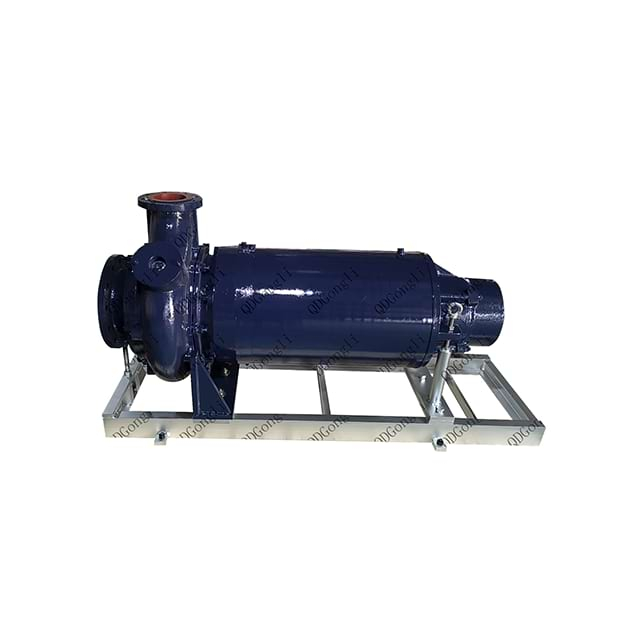
Oil cooling submersible screw centrifugal pumps are widely adopted in industries that demand reliability, flexibility, and thermal stability. They perform well in applications where fluid composition changes or operating hours remain long. Their ability to manage heat internally gives operators greater confidence in harsh or variable environments. Common application sectors include:
● Wastewater treatment systems handling sludge, mixed solids, and fibrous materials.
● Metallurgy and mining processes where fluids show abrasive or viscous behavior.
● Chemical processing plants requiring stable flow and controlled shear.
● Energy and environmental engineering projects operating under continuous load. The broad adoption across these sectors reflects the practical value of oil cooling combined with screw centrifugal pump design.
Oil cooling works by surrounding the motor with a dedicated oil chamber that stays sealed from the pumped medium. During operation, the motor generates heat, which transfers directly into the surrounding oil. The oil absorbs this heat and redistributes it across the internal surfaces of the pump housing. This continuous heat exchange keeps the motor temperature within a safe range and reduces thermal spikes. Oil cooling differs from water-dependent systems in several important ways:
● It does not depend on external liquid flow for heat removal.
● It remains effective even when the pump operates in shallow or unstable liquid levels.
● It supports both cooling and lubrication in a single closed system. This dual function improves reliability and simplifies thermal management inside submersible pumps.
The oil cooling system consists of several coordinated components that work together to manage heat and protect internal parts. Each element plays a specific role in ensuring stable operation and long service life.
Component | Function | Role in Cooling |
Oil chamber | Encloses cooling oil around the motor | Absorbs and distributes heat |
Cooling jacket | Surrounds motor housing | Enhances heat transfer area |
Oil circulation paths | Guide oil movement | Maintain uniform temperature |
Sealing system | Separates oil from pumped media | Prevents contamination |
These components form a closed-loop environment that allows oil to perform consistently under varying loads. |
Heat dissipation inside the pump follows a controlled and continuous process. As oil absorbs heat from the motor, it moves across internal surfaces where heat spreads toward the pump housing. From there, heat transfers to the surrounding environment through conduction. Oil’s high heat capacity allows it to absorb large amounts of thermal energy without rapid temperature rise. This property helps stabilize internal temperatures and protects sensitive components from overheating. The effectiveness of this process depends on oil condition, viscosity, and circulation quality. When oil remains clean and properly selected, it supports steady thermal control and reduces stress on the motor. This explains why correct oil selection and timely replacement matter for long-term pump performance.
For an Oil Cooling Submersible Screw Centrifugal Pump, cooling oil replacement timing affects heat control, seal protection, and motor stability. Operators often ask when action becomes necessary because oil condition changes gradually, not suddenly. In real operation, oil life depends on temperature, load, and running hours rather than a single fixed rule. Manufacturers such as Qingdao Gongli Technology Co., Ltd. design oil-cooled systems to be durable, yet they still rely on correct replacement timing to stay reliable.
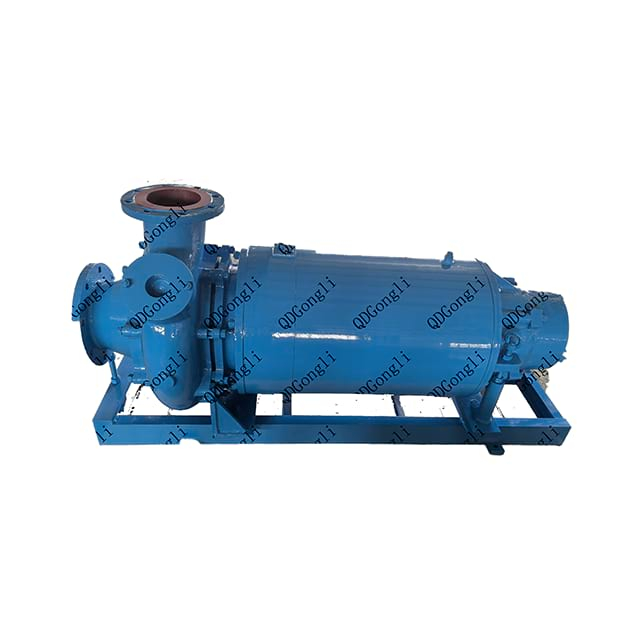
Under normal operating conditions, cooling oil replacement usually follows a time-based schedule. This approach works well when the pump runs at stable temperature and moderate load. Oil slowly loses thermal efficiency as oxidation and viscosity change occur during long service periods. Following a planned interval helps prevent gradual heat dissipation loss before problems appear. When conditions become more demanding, replacement intervals need adjustment. High temperatures accelerate oil aging. Heavy load increases internal heat generation. Continuous operation reduces recovery time for oil properties. In such cases, earlier replacement keeps thermal control consistent and avoids unnecessary motor stress.
Operating condition | Typical oil replacement interval | Reason for adjustment |
Normal temperature, intermittent duty | 6–12 months | Stable viscosity and slow degradation |
High temperature environment | 3–6 months | Faster oxidation and viscosity loss |
Heavy load or high solids | Shortened interval | Increased heat and contamination risk |
Continuous operation | Condition-based checks | Limited oil recovery time |
Time-based schedules alone do not cover every situation. Visual and operational signs often appear before scheduled replacement dates. Observing oil condition during inspection gives valuable clues about internal pump health. Discoloration often indicates oxidation or thermal stress. Milky appearance suggests moisture ingress, often linked to seal wear. A strong or burnt smell usually signals overheating during operation. Performance-related symptoms also provide clear warnings. Rising operating temperature points to reduced heat transfer efficiency. Unstable performance, vibration, or unusual noise may appear when oil loses lubrication capability. These signs should prompt immediate inspection rather than waiting for the next planned service.
Warning sign | What it indicates | Recommended action |
Dark or cloudy oil | Oxidation or contamination | Replace oil and inspect seals |
Milky oil | Water ingress | Replace oil, check sealing system |
Abnormal odor | Overheating | Inspect cooling and load conditions |
Higher operating temperature | Reduced heat dissipation | Replace oil and monitor performance |
Watching these indicators allows operators to react early, keeping the Oil Cooling Submersible Screw Centrifugal Pump operating smoothly under changing conditions. |
Replacing cooling oil in an Oil Cooling Submersible Screw Centrifugal Pump follows a clear, repeatable process. It protects heat dissipation performance and keeps internal parts stable during long operation. Many operators working with systems supplied by Qingdao Gongli Technology Co., Ltd. follow similar steps to reduce risk and avoid oil contamination. Each step below focuses on accuracy, cleanliness, and controlled handling rather than speed.
Oil-cooled submersible pumps usually place drain and fill ports on the motor housing or oil chamber cover. Designers position them to allow gravity-assisted drainage and controlled refilling. Before opening any port, we confirm the pump stays fully powered down and cooled. This avoids pressure release or oil splash during opening. Typical layouts include:
● A lower drain port for complete oil removal.
● An upper fill or inspection port for refilling and level confirmation.
● Sealing plugs designed to prevent oil leakage during operation. Understanding this layout first saves time later and reduces mistakes during oil replacement.
Draining requires patience and proper positioning. We allow oil to flow out completely, because leftover oil can mix with fresh oil and reduce cooling efficiency. Tilting or rotating the pump housing slightly helps remove trapped oil inside corners of the chamber. Collection containers must stay clean and stable to avoid spills. During drainage, operators should:
● Let oil flow until dripping fully stops.
● Avoid shaking the pump aggressively, which may damage seals.
● Store used oil in sealed containers for proper disposal. Complete drainage improves the effectiveness of new oil and keeps heat transfer predictable.
Inspection gives valuable insight into internal pump condition. Oil appearance often reveals seal performance and operating stress levels. Clean oil usually appears transparent or lightly colored. Any abnormal change suggests internal issues needing attention.
Oil condition | Likely cause | What it suggests |
Dark or burnt color | Thermal stress | Excessive operating temperature |
Milky appearance | Water ingress | Seal wear or leakage |
Metallic particles | Mechanical wear | Internal component contact |
This inspection step helps us decide whether oil replacement alone is enough or if further checks are needed. |
Refilling demands control and accuracy. We pour new oil slowly to avoid air pockets inside the oil chamber. Air reduces heat transfer efficiency and creates unstable circulation. Filling continues until the oil reaches the recommended level, usually indicated by the inspection port or manufacturer guideline. Good refilling practice includes:
● Using oil specified for temperature and viscosity range.
● Filling gradually, not in one fast pour.
● Pausing briefly to let trapped air escape. These habits help the Oil Cooling Submersible Screw Centrifugal Pump maintain stable thermal performance.
Once refilled, sealing becomes the next priority. Clean sealing surfaces prevent leaks and protect internal oil from contamination. We inspect O-rings, gaskets, or sealing washers before reinstalling plugs. Worn or damaged seals should never be reused. During reassembly, operators should:
● Tighten plugs evenly, not forcefully.
● Avoid cross-threading during installation.
● Wipe excess oil to detect future leaks easily. Careful sealing keeps oil inside and water outside during operation.
After oil replacement, the first startup stays controlled and cautious. We run the pump under low load and observe behavior rather than pushing full capacity immediately. Temperature readings and sound patterns reveal whether oil circulation works correctly. Key checks during startup include:
● Stable motor temperature rise.
● No abnormal noise or vibration.
● No oil leakage around seals or ports. This monitoring phase confirms successful oil replacement and prepares the pump for normal operation.
Replacing oil marks the start of a new maintenance cycle, not the end of care. Ongoing monitoring ensures the Oil Cooling Submersible Screw Centrifugal Pump keeps its cooling performance and reliability. Simple routines often prevent major failures.
Regular inspection keeps oil performance predictable. Operators check level and appearance without draining the system. This habit catches early signs of leakage or contamination before damage spreads.
Inspection item | Suggested frequency | Purpose |
Oil level | Monthly | Prevent insufficient cooling |
Oil appearance | Monthly | Detect contamination early |
Operating temperature | Continuous | Track thermal performance |
These checks require little time yet provide strong protection. |
Cooling oil service works best when aligned with overall pump maintenance. Coordinated schedules reduce downtime and avoid repeated disassembly. Oil replacement fits naturally alongside seal inspection, temperature monitoring, and vibration checks. Integration benefits include:
● Fewer unexpected shutdowns.
● Clear maintenance records.
● Better planning of spare parts. This structured approach supports consistent performance.
Consistent oil management stabilizes internal conditions and supports industrial uptime. Pumps operating under controlled temperature show fewer mechanical surprises. Over time, predictable oil behavior supports planning and reduces emergency intervention. Operators gain:
● Higher confidence in continuous operation.
● Reduced risk during peak demand periods.
● Longer overall pump service life. Regular oil care keeps reliability measurable and manageable.
This article explains how cooling oil supports heat control and stable operation in an Oil Cooling Submersible Screw Centrifugal Pump. It covers replacement timing, correct procedures, common mistakes, and performance benefits. Proper oil management improves thermal stability, extends motor life, and reduces energy loss. Qingdao Gongli Technology Co., Ltd. designs oil-cooled screw centrifugal pumps to deliver reliable performance and long-term value through efficient cooling and robust engineering.


