Views: 0 Author: Site Editor Publish Time: 2026-04-07 Origin: Site


When it comes to moving liquids containing solids, fibrous materials, or shear-sensitive fluids, industries worldwide require pumps that offer both reliability and gentle handling. One such pump, which perfectly meets these needs, is the screw centrifugal pump. This pump type is an innovative combination of the features of both centrifugal and screw pumps, making it ideal for handling media that would otherwise be difficult or inefficient to pump using standard centrifugal pumps.

But what exactly makes a screw centrifugal pump so special, and why is it preferred in certain applications over traditional pump types? In this article, we will dive into the screw centrifugal pump's structure, working principle, and advantages, and explain why it is an essential tool in industries such as wastewater treatment, food processing, and agriculture. You’ll also learn how to select the right pump for your specific needs and how it compares to other pump types.
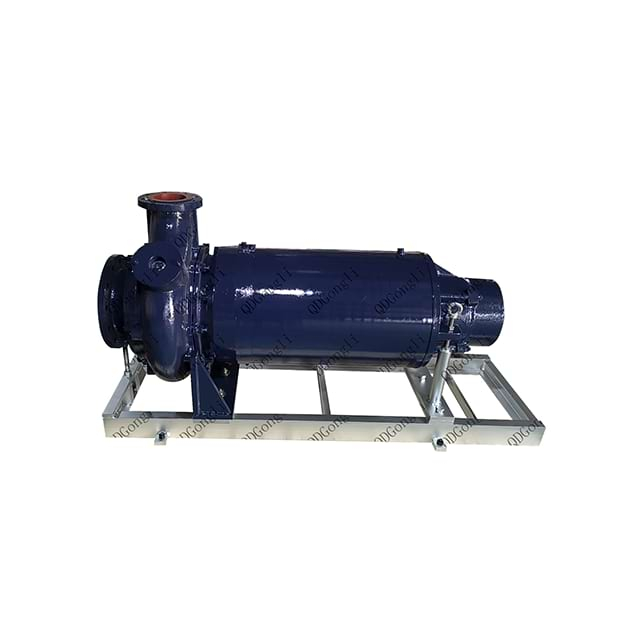
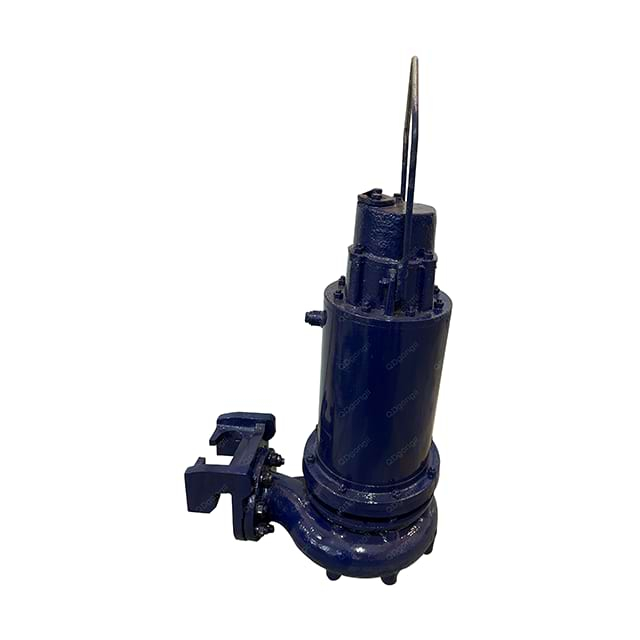
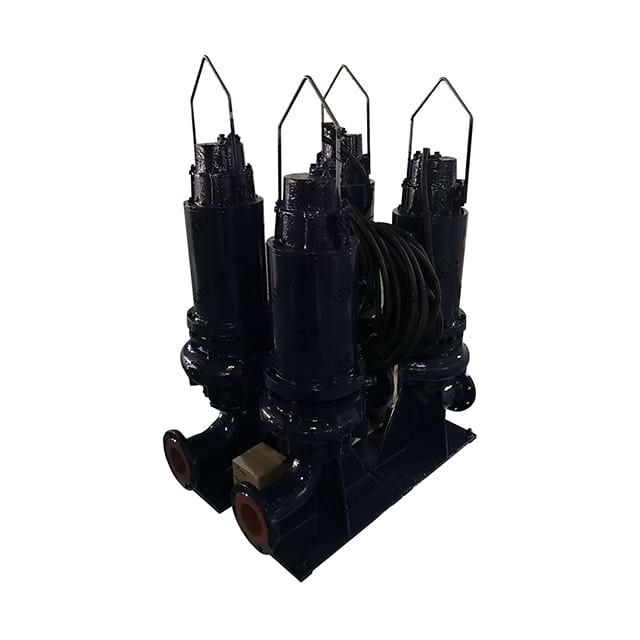
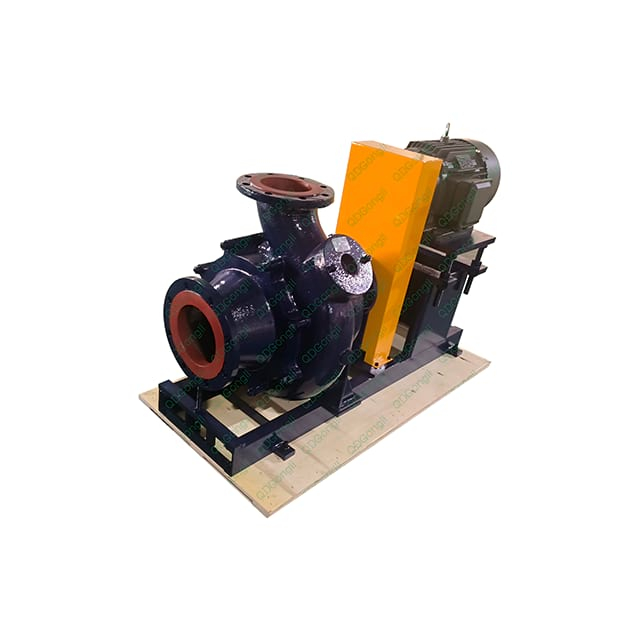
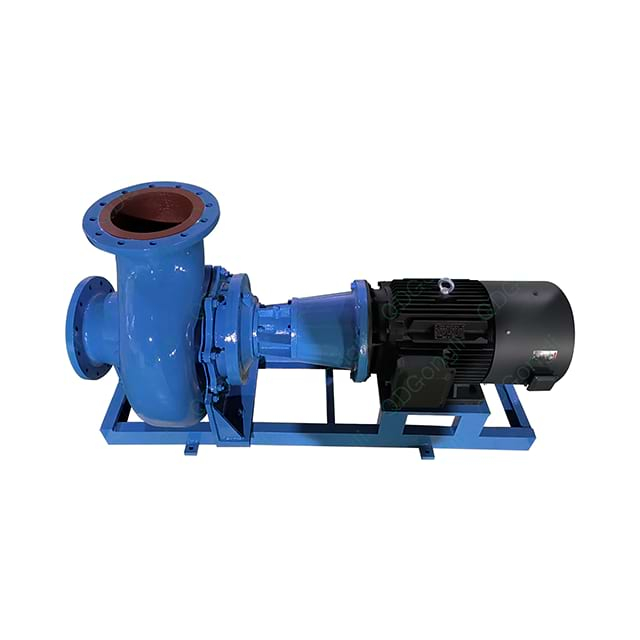
A screw centrifugal pump is a type of pump that combines the features of both centrifugal and screw pumps. Unlike traditional centrifugal pumps, which rely on a rotating impeller to generate high flow rates, the screw centrifugal pump uses a screw-shaped impeller to smoothly move liquid through the pump casing. This design allows it to efficiently pump liquids with solids, fibers, and viscous materials that might clog or damage a conventional pump.
This unique impeller design works in combination with centrifugal force to propel the medium from the inlet to the discharge outlet. Its ability to handle both low and high viscosity fluids with large solid particles makes it an excellent choice for wastewater, industrial effluents, and other challenging applications.
The impeller in a screw centrifugal pump is the key component that sets it apart from other pumps. The impeller is screw-shaped, which helps reduce turbulence and ensures a smoother flow, especially when pumping media with large or fibrous solids. This design allows the pump to move both liquid and solid materials efficiently through the system, reducing the risk of blockages and maintaining a consistent flow.
The pump casing surrounds the impeller and serves to guide the flow of the pumped medium. It is designed to handle high-pressure environments, ensuring the pump operates efficiently and reliably. Depending on the application, the casing may be made from materials like cast iron, stainless steel, or even specialized alloys for higher durability.
The shaft connects the impeller to the motor, transferring the rotational power. Bearings support the shaft and ensure that it rotates smoothly without causing undue wear. Both components are essential for the overall performance of the pump and are designed for long-lasting, low-maintenance operation.
To prevent leakage of the pumped fluid, screw centrifugal pumps typically use mechanical seals or packing seals. These seals are especially important when pumping hazardous or sensitive materials, such as chemicals or wastewater, as they help maintain the safety and efficiency of the operation.
The motor and drive system provide the power needed to rotate the impeller and drive the pump. The motor can be either electric or hydraulic, depending on the application, and is often selected based on the flow rate, head, and other specific requirements of the system.
The working principle of a screw centrifugal pump is a combination of centrifugal and screw principles. Here's how it works:
1. Suction: The pump's screw impeller begins by drawing the liquid or slurry into the pump from the inlet. The screw shape creates a gentle, consistent flow, which reduces the risk of damaging shear-sensitive materials, such as biological waste or food particles.
2. Centrifugal Force: Once the fluid is inside the pump, the centrifugal force generated by the rotating impeller accelerates the medium toward the discharge outlet. This centrifugal action pushes the fluid outward and helps generate pressure.
3. Discharge: The fluid exits the pump through the discharge nozzle, moving smoothly and efficiently, even if it contains suspended solids or fibrous material.
By combining the screw's ability to handle solids and the centrifugal force's efficiency, the screw centrifugal pump is well-suited for applications where traditional centrifugal pumps would struggle.
One of the standout features of the screw centrifugal pump is its ability to handle liquids with a significant amount of solids. Whether it's sludge, slurry, or liquids with fibrous materials, the screw impeller design ensures that even large particles can pass through the pump without causing blockages. This makes it ideal for applications like wastewater treatment and industrial effluent handling, where solid content is common.
Another major advantage of the screw centrifugal pump is its ability to pump shear-sensitive fluids with minimal damage. The smooth, slow-moving screw impeller reduces turbulence, which helps preserve the integrity of fragile materials. This makes the pump well-suited for food processing, biotech applications, and pharmaceutical industries where maintaining the quality of the pumped liquid is essential.
The anti-clogging performance of the screw centrifugal pump is one of its most important benefits. The screw impeller's design allows for a larger passageway for solids, which helps prevent the common issues of clogging seen in traditional centrifugal pumps. This feature reduces downtime and maintenance costs, especially when dealing with high-viscosity fluids or dirty liquids.
The combination of centrifugal force and screw impeller design provides stable and reliable hydraulic efficiency. The pump can maintain a consistent flow rate even as the medium's properties change, such as viscosity or solid content, ensuring steady performance throughout its operation.
From municipal wastewater treatment plants to agriculture, the screw centrifugal pump is versatile enough to handle a wide range of applications. It is used for pumping everything from industrial effluent to organic slurry, making it a valuable tool for various industries.
The screw centrifugal pump is a workhorse in wastewater treatment plants. It can handle sewage, sludge, and return activated sludge (RAS), as well as scum and other debris commonly found in wastewater. Its ability to pump solids and prevent clogging makes it indispensable in this field.
In industries such as chemical manufacturing and food processing, the screw centrifugal pump is used to transport industrial effluent, which often contains hazardous or viscous materials. The pump's ability to handle high-viscosity fluids, coupled with its anti-clogging features, makes it ideal for these demanding applications.
The food and beverage industry relies on screw centrifugal pumps to move delicate liquids like juices, soups, and purees. These pumps gently handle fragile media without breaking down their structure, ensuring the final product remains intact.
The agricultural industry uses the screw centrifugal pump for transferring organic slurry and manure, while biogas systems use it for pumping biomass or digestate. Its ability to handle large volumes of material with minimal wear makes it a valuable tool for these processes.
The pulp and paper industry uses screw centrifugal pumps to handle fibrous suspensions and stock handling. The pump's ability to manage fibrous materials without clogging helps maintain the flow of materials in pulp processing.
When comparing the screw centrifugal pump to a standard centrifugal pump, there are several key differences:
Feature | Screw Centrifugal Pump | Standard Centrifugal Pump |
Impeller Design | Screw-shaped, smooth flow | Radial impeller, higher turbulence |
Solids Handling | Can handle large solids and fibrous materials | Limited to clean liquids with minimal solids |
Shear Sensitivity | Low shear, gentle pumping | Higher shear, may damage fragile liquids |
Clogging Resistance | Highly resistant to clogging | Susceptible to clogging with solid materials |
Hydraulic Efficiency | Stable under varying conditions | May experience performance loss with high-viscosity fluids |
When selecting the right screw centrifugal pump, there are several factors to consider:
The flow rate and head are the most important parameters to determine first. Flow rate refers to how much liquid the pump needs to move, while head refers to the height the pump needs to move the liquid.
Consider the characteristics of the liquid being pumped. Is it viscous? Does it contain solids or fibers? These factors will determine the suitability of the pump and its required specifications.
For corrosive or high-temperature liquids, you may need to choose a pump casing and components made from stainless steel or alloy materials to withstand harsh conditions.
Depending on the type of liquid being pumped, choose between a mechanical seal or packing seal. For hazardous or pressurized applications, a mechanical seal is often preferred.
Consider whether the pump will be installed horizontally or vertically, as this may influence the pump's performance and the space requirements.
Choose a screw centrifugal pump with low maintenance and long service life. Regular servicing and easy access to parts will minimize downtime and reduce operational costs.
In conclusion, the Screw Centrifugal Pump is a highly efficient, versatile, and durable solution for moving a wide range of challenging liquids, including those containing solids, fibers, and viscous materials. Its ability to handle wastewater, food, agriculture, and industrial effluent applications makes it an indispensable tool in several industries. When selecting a pump, be sure to carefully consider your fluid’s characteristics, the pump's material, and the desired flow rate and head to ensure the best performance and longevity. As a trusted manufacturer, Qingdao Gongli Technology Co., Ltd. provides reliable solutions tailored to meet the specific needs of your applications.
A screw centrifugal pump is designed with a screw-shaped impeller that handles solids and fibrous materials better than a normal centrifugal pump, which is typically used for cleaner fluids.
It is ideal for handling sludge, slurry, wastewater, and liquids with large solids or fibers.
Yes, it is widely used in wastewater treatment plants due to its anti-clogging design and ability to handle solids-laden liquids.
Key advantages include excellent solids handling, low shear pumping, anti-clogging performance, and wide application flexibility.
Consider factors such as flow rate, head, viscosity, solid content, and material requirements when selecting a screw centrifugal pump.