Views: 0 Author: Site Editor Publish Time: 2026-04-11 Origin: Site


Is a standard centrifugal pump always the most efficient choice for HVAC systems, or is that only true when the system is moving clean water under ideal conditions? As HVAC design evolves to focus on variable-speed control, system-level efficiency, and sustainability, pump selection has become more complex. The wrong pump can increase energy use, raise maintenance costs, and reduce reliability over time.
This is especially true when HVAC systems handle glycol mixtures, dirty loops, suspended solids, or high-viscosity fluids. Pump efficiency isn't just about performance at a single duty point—it also depends on part-load operation, fluid properties, and long-term system demands. In this article, we’ll compare centrifugal and screw centrifugal pumps, discuss where each excels, and explain how recent HVAC trends affect pump efficiency decisions.
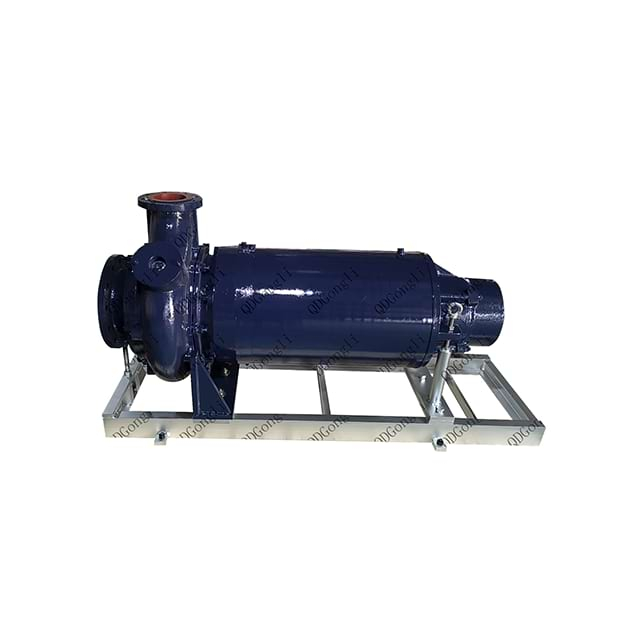
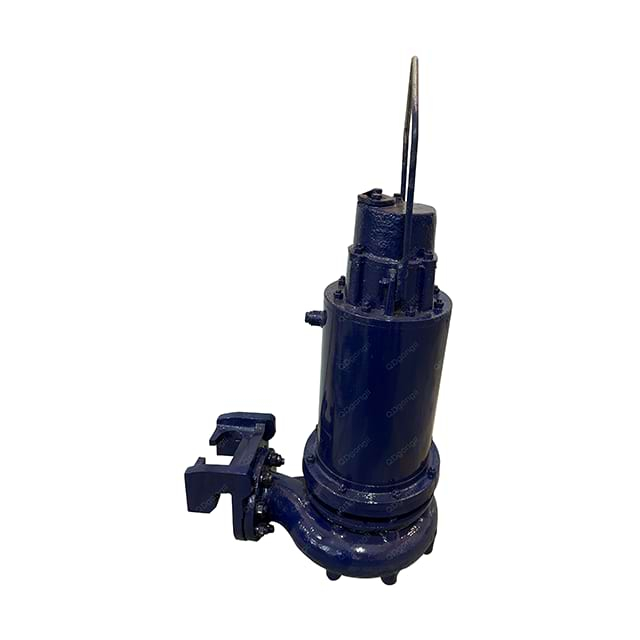
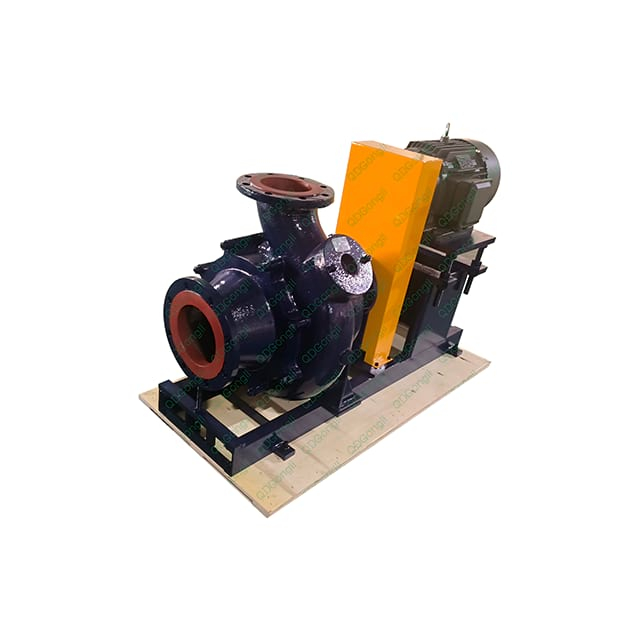
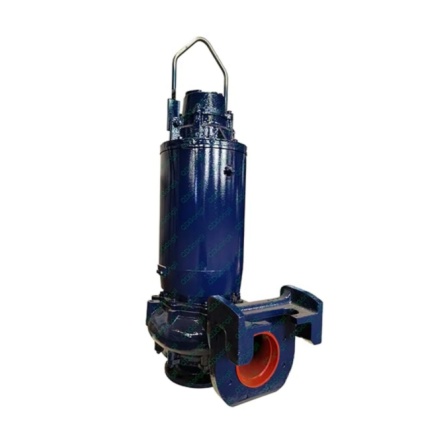
When people compare centrifugal pumps with screw pumps in HVAC, they sometimes imagine a pure positive displacement screw pump, but for many fluid-handling applications the more relevant comparison is between a standard centrifugal pump and a screw centrifugal pump, because this design combines aspects of screw-like inlet handling with centrifugal energy conversion. A screw centrifugal pump uses a specially shaped impeller, often with a pronounced spiral or screw-type leading edge, to draw liquid smoothly into the pump and then accelerate it centrifugally toward the discharge, which helps it handle solids, fibrous materials, and more difficult media with less turbulence and lower clogging risk.
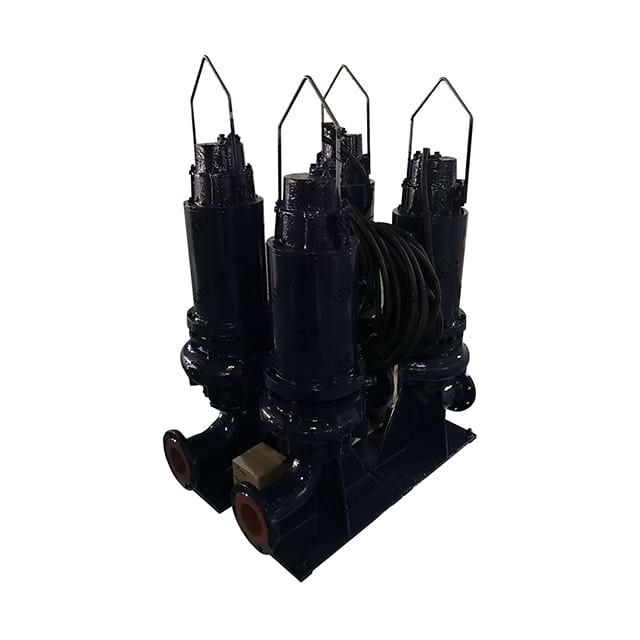
This is why the screw centrifugal pump is especially valuable in applications that overlap with HVAC-support systems or building utility systems, including wastewater handling around large facilities, dirty sump service, drainage pits, process HVAC loops, sludge-related service, and installations where the liquid is not as clean and predictable as standard chilled or hot water. While a conventional centrifugal pump tends to favor clean-liquid efficiency, a screw centrifugal pump is designed to preserve hydraulic performance and reliability when the medium becomes more challenging, which is often a decisive advantage in real-world plant environments.
It is also worth emphasizing that a screw centrifugal pump is not chosen simply because it is different, but because its flow path and impeller geometry reduce sudden direction changes, local turbulence, and blockage risk, all of which can influence not only maintenance but also system energy use. If a pump has to be cleaned frequently, if passages partially clog, or if the flow degrades enough to affect heat transfer or drainage performance, then the HVAC system as a whole becomes less efficient, even if the original pump selection looked economical.
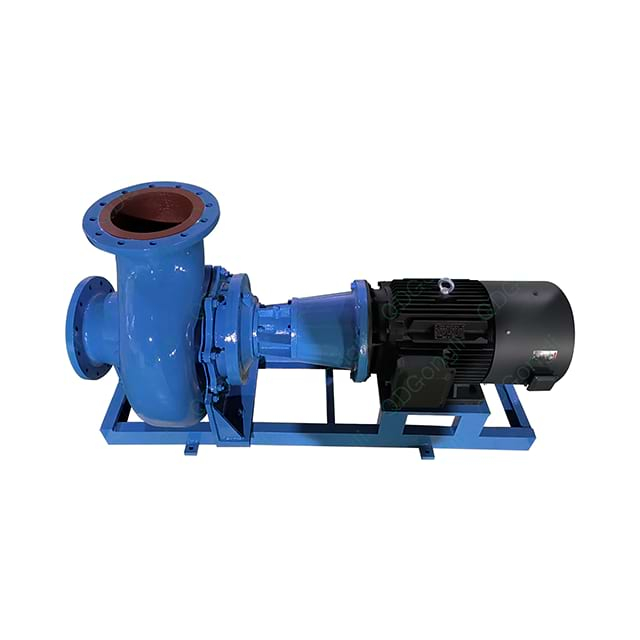
The short answer is that centrifugal pumps are usually more efficient than screw pumps in HVAC when the application involves clean, low-viscosity liquids and predictable hydronic circulation, but that answer becomes incomplete as soon as the medium, the load profile, or the maintenance environment becomes more complex. In standard building HVAC systems, where the pump mainly circulates clean water through chillers, boilers, fan coils, air handling units, or radiant loops, a conventional centrifugal pump normally offers better peak hydraulic efficiency, lower purchase cost, and simpler maintenance than a screw centrifugal pump.
That said, peak efficiency is not the only form of efficiency that matters. If the application includes suspended solids, debris, fibrous contaminants, sludge-like material, or thicker fluids such as glycol-heavy mixtures or process-side liquids, the apparent efficiency advantage of a conventional centrifugal pump can shrink very quickly. In those conditions, a screw centrifugal pump may consume more energy per unit of clean-water pumping in theory, yet still outperform in practice by maintaining stable flow, avoiding clogging, lowering unplanned shutdowns, and protecting the system from the hidden costs of repeated intervention.
A more precise answer, therefore, is that centrifugal pumps are generally more efficient for clean-water HVAC circulation, while a screw centrifugal pump is often more effective for demanding HVAC-adjacent duties or specialized hydronic/process applications where fluid quality, solids handling, or reliability under stress matters as much as nominal pump efficiency. The real decision depends on what kind of efficiency the project values most: maximum hydraulic efficiency at ideal conditions, or durable operational efficiency across imperfect real conditions.
Comparison Factor | Standard Centrifugal Pump | Screw Centrifugal Pump |
Best fluid condition | Clean water, low-viscosity liquids, stable hydronic loops | Liquids with solids, fibers, sludge, debris, or higher viscosity |
Peak hydraulic efficiency | Usually higher in clean HVAC circulation | Usually lower than standard centrifugal pump in clean-water duty |
Part-load flexibility | Strong when paired with VFDs and proper controls | Good, especially where dirty media would compromise other pumps |
Clogging resistance | Moderate to low in dirty or solids-laden service | High, due to larger flow passage and smoother solids handling |
Maintenance demand | Low in clean systems, higher if fluid quality degrades | Often lower in difficult media because clogging is reduced |
Typical HVAC role | Chilled water, heating water, condenser water, clean loops | Drainage, dirty pits, solids-bearing utility streams, specialized process loops |
Purchase cost | Usually lower | Usually higher |
Real-world efficiency in difficult media | Can drop if blockage, wear, or unstable flow occurs | Often more stable because the pump is designed for harsher conditions |
In earlier years, many HVAC pump decisions were made primarily on first cost and nominal duty point, but recent design priorities have expanded the discussion considerably. As buildings adopt variable-speed operation, tighter control logic, lower-carbon heating strategies, hydronic heat pump integration, and more aggressive lifecycle performance targets, the question is no longer only whether a pump can move fluid, but whether it can support the broader energy and operational strategy of the building without introducing avoidable losses or service risks.
This matters because variable-speed pumping has made part-load behavior more important than ever, and HVAC systems now spend a large portion of their operating life away from peak design flow. A centrifugal pump can perform exceptionally well in this environment when the fluid is clean and the controls are well tuned, which is why it remains the dominant choice for conventional hydronic distribution. At the same time, the rising interest in retrofit work, mixed-use utility rooms, water reuse, process integration, and more complex plant environments means that designers increasingly encounter side-streams and auxiliary services where a screw centrifugal pump may be the more practical and efficient answer over the equipment lifecycle.
Another important trend is the broader movement toward building decarbonization and electrification, especially through heat pump deployment and optimized hydronic transfer systems. As more HVAC systems rely on carefully controlled water-side performance to move thermal energy efficiently, stable flow and predictable maintenance become more valuable, which means pump selection must support not only energy numbers, but also resilience and uptime. In clean closed loops, centrifugal pumps still lead, but where the service fluid becomes more difficult, the case for a screw centrifugal pump becomes stronger because operational reliability becomes part of energy strategy.
In the majority of classic HVAC circulation duties, a centrifugal pump remains the more efficient and economical option, especially when the fluid is clean, the system is well filtered, and the duty involves moving water through chillers, boilers, plate heat exchangers, terminal units, or cooling towers. In these situations, the pump can operate near its best efficiency point, the system can take full advantage of variable-speed control, and the maintenance burden tends to remain low, which supports both low energy consumption and strong lifecycle value.
This is particularly true in commercial office buildings, hotels, hospitals, schools, data-support chilled-water systems, and district secondary loops where water treatment is controlled and the piping network is designed for conventional hydronic service. When the medium behaves like typical HVAC water, there is little reason to move toward a screw centrifugal pump, because the extra solids-handling capability would not deliver enough practical value to offset the higher first cost or the somewhat lower clean-water efficiency.
In short, if the system is clean, closed, and predictable, a well-selected centrifugal pump will usually be more efficient than a screw centrifugal pump in HVAC service, both from a hydraulic and a cost perspective.
There are, however, many applications around HVAC plants and industrial building systems where the fluid is not clean enough for that conclusion to remain valid. If the liquid contains debris, fibrous matter, sediment, biological contamination, sludge, or process residue, then a conventional centrifugal pump may face recurring blockage, passage fouling, impeller wear, or unstable flow, each of which reduces actual efficiency and increases maintenance labor. In such cases, a screw centrifugal pump may become the more efficient option in a practical sense because it maintains performance more consistently and reduces service interruptions.
Examples include sump drainage around large mechanical rooms, dirty condensate or wastewater transfer, utility-side drainage in industrial HVAC plants, food processing HVAC support systems, paper or textile facilities, and installations where solids or stringy contaminants occasionally enter the fluid path. In those environments, the ability of a screw centrifugal pump to move contaminated or viscous liquids without frequent clogging can be more valuable than the higher clean-water efficiency of a conventional pump, because real efficiency is preserved only when the system remains available and stable.
This is also why many experienced engineers distinguish between “nameplate efficiency” and “operating efficiency,” since the latter includes the energy wasted by throttling, the performance drop caused by partial blockage, the labor cost of emergency cleaning, and the heat-transfer penalties that follow when the wrong pump fails to maintain design conditions. Under those circumstances, a screw centrifugal pump may be the smarter efficiency choice even if its theoretical hydraulic efficiency is not the highest in a clean test environment.
HVAC or Utility Scenario | Recommended Choice | Why |
Clean chilled water loop in office building | Standard centrifugal pump | Highest practical efficiency, simple control, low maintenance |
Boiler or heating water loop with treated water | Standard centrifugal pump | Strong match for clean hydronic circulation |
Cooling tower circulation with screened clean water | Standard centrifugal pump | Cost-effective and efficient under normal conditions |
Industrial HVAC loop with solids contamination risk | Screw centrifugal pump | Better resistance to clogging and unstable flow |
Sump, pit, or drainage service near HVAC plant | Screw centrifugal pump | Better solids passage and lower risk of blockage |
Glycol-heavy or contaminated utility stream | Case-specific, often screw centrifugal pump if solids or viscosity are significant | Depends on viscosity, solids, and duty stability |
Food, paper, textile, or process-adjacent HVAC service | Often screw centrifugal pump | Handles fibers, residue, and dirty media more reliably |
A pump that uses slightly less electricity per hour is not always the lowest-cost pump over ten years, because efficiency must be evaluated against service frequency, spare parts, labor, downtime, and the performance consequences of degraded flow. This is where buyers sometimes underestimate the value of a screw centrifugal pump, since they compare initial price and clean-water efficiency but fail to include the cost of clogging events, emergency shutdowns, unplanned maintenance, and reduced system effectiveness caused by unstable pumping.
For a clean hydronic building loop, the lifecycle argument still generally favors the centrifugal pump because the operating environment is controlled enough for that design to deliver both high efficiency and low maintenance. Yet for dirty or more aggressive service, the calculation changes. If a standard centrifugal pump requires repeated cleaning, suffers wear from entrained solids, or causes repeated operational disruption, then the energy it “saves” on paper may be overshadowed by downtime and service cost, while a screw centrifugal pump preserves value by keeping the system running as intended.
That is why serious HVAC and utility plant design increasingly treats pump selection as a lifecycle decision rather than a catalog decision. The question should not be “Which pump is more efficient in general?” but “Which pump keeps this specific system closest to its intended performance over time?”
A sound decision starts with fluid analysis rather than pump habit. First, identify whether the medium is truly clean, because many systems labeled as water service are only clean during commissioning and gradually become more difficult due to corrosion products, dirt ingress, biological growth, or process contamination. Second, determine whether the liquid includes solids, fibers, viscosity changes, or periodic contamination events, because these will influence the value of a screw centrifugal pump far more than a static efficiency chart might suggest.
Next, review the duty profile across the entire year rather than at one design point, including part-load operation, standby conditions, seasonal changes, and variable-speed control strategy. Then evaluate the cost of maintenance access, since a pump installed in a hard-to-service location imposes a larger penalty every time clogging or wear occurs. Finally, compare the consequences of flow interruption, because in some buildings a short stoppage is manageable, while in others it may affect process continuity, drainage safety, or thermal performance in a critical way.
If the application is standard clean-water HVAC circulation, choose a high-quality centrifugal pump sized correctly for the real operating range. If the application involves dirty fluids, sludge, suspended solids, fibrous materials, or more viscous media, then a screw centrifugal pump deserves serious consideration because its design may deliver the best overall efficiency once real operating conditions are included.
So, are centrifugal pumps more efficient than screw pumps in HVAC? Generally, yes. Centrifugal pumps excel in clean-water systems with low-viscosity fluids, offering better hydraulic efficiency, lower costs, and easier maintenance. However, for systems dealing with contamination, solids, or high-viscosity liquids, screw centrifugal pumps provide better long-term performance due to their smoother flow path and anti-clogging capabilities.
The key to choosing the right pump is matching it to your system's fluid, operating conditions, and maintenance needs. If you're handling clean water in standard HVAC loops, a centrifugal pump is usually the best choice. But for more challenging conditions, a screw centrifugal pump from Qingdao Gongli Technology Co., Ltd. may offer more reliability and cost-effectiveness in the long run.
No, centrifugal pumps are usually more efficient in clean-water HVAC circulation, but in dirty, solids-bearing, or higher-viscosity service, a screw centrifugal pump may deliver better real-world efficiency because it reduces clogging and maintenance disruption.
A screw centrifugal pump is a strong choice when the application involves drainage pits, contaminated utility water, solids, fibrous material, sludge-like media, or fluids that are more difficult than standard treated HVAC water.
It can be used, but in most clean chilled-water loops a standard centrifugal pump is typically the more efficient and economical option because the added solids-handling capability of a screw centrifugal pump is not usually necessary.
In clean-liquid duty, a screw centrifugal pump is often less hydraulically efficient than a standard centrifugal pump, but in difficult media it may reduce total operating cost by maintaining stable flow and lowering maintenance frequency.
Both matter, but lifecycle efficiency is often more important because it includes part-load behavior, maintenance frequency, downtime risk, clogging resistance, and the pump’s impact on overall system stability.