Views: 0 Author: Site Editor Publish Time: 2026-04-09 Origin: Site


Pumping fluids that contain solids, fibers, or high viscosity is a common challenge in industrial, municipal, and agricultural settings. Whether it's wastewater, sewage, or other complex media, choosing the right pump is crucial for efficient and reliable operation. Screw centrifugal submersible pumps stand out as a top solution for these tasks. With their unique design, these pumps excel in handling solids-laden liquids, making them perfect for demanding environments.

In this article, we'll explore what a screw centrifugal submersible pump is, how it works, its advantages, and common applications. By the end, you'll know how this pump can tackle your fluid handling challenges and how to select the right one for your needs.
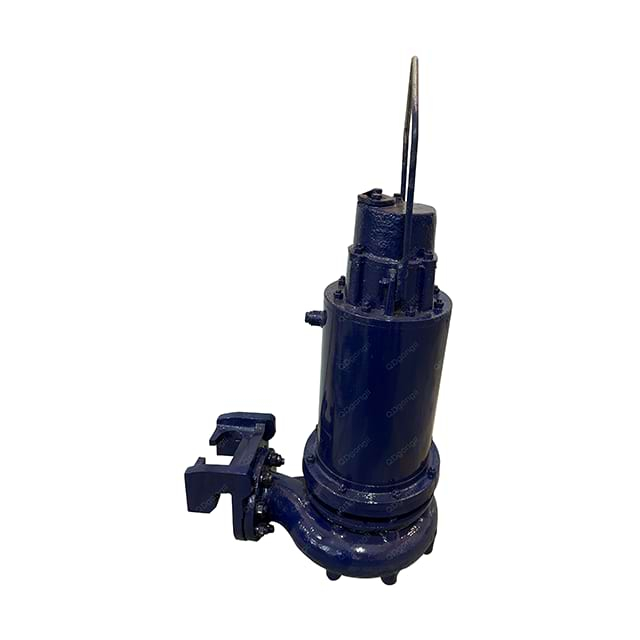
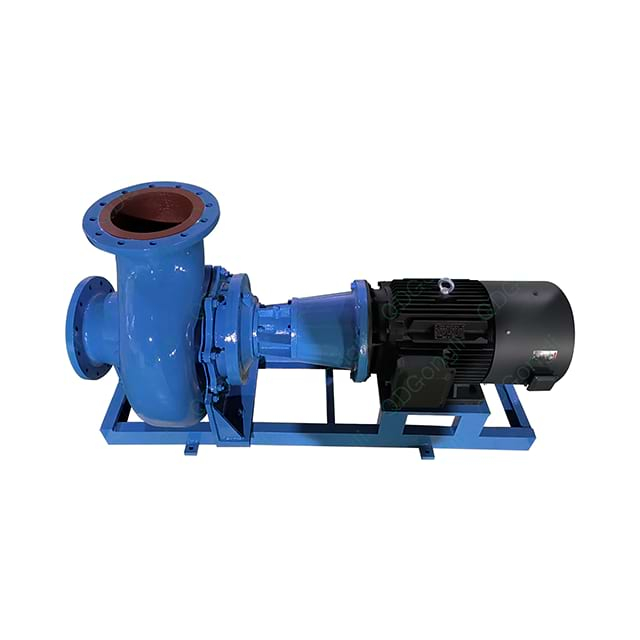
A screw centrifugal submersible pump is a type of pump that combines two key technologies: the centrifugal pump mechanism and the screw impeller design. The centrifugal pump is known for its ability to create flow by converting kinetic energy into pressure, while the screw impeller design allows for better handling of viscous fluids and those containing solids or fibers. What makes the screw centrifugal submersible pump even more versatile is its submersible design, meaning that both the motor and hydraulic parts of the pump are housed within the pump casing, allowing it to operate while submerged in fluid.
This combination of centrifugal force and screw impeller action makes it especially useful in applications where other types of pumps might struggle, such as wastewater treatment plants, agricultural slurry handling, and various industrial effluent systems.
The working principle of a screw centrifugal submersible pump is simple yet effective. The pump’s screw-shaped impeller plays a vital role in moving the fluid without causing turbulence or excessive shear forces that could damage delicate particles or media. Here’s how it works:
1. Suction: The pump draws in the fluid, whether it is water, slurry, or other complex media, through the inlet. The screw impeller gently guides the fluid into the pump casing.
2. Centrifugal Force: As the impeller rotates, it generates centrifugal force, which causes the fluid to move outward from the center of the pump casing. This results in the fluid being pressured and pushed through the pump's discharge outlet.
3. Smooth, Non-Turbulent Flow: One of the most significant benefits of the screw impeller is its ability to prevent clogging and ensure a consistent, smooth flow. This is especially important in systems that handle media with suspended solids, fibers, or high viscosity.
4. Submersible Operation: The pump’s motor and impeller are designed to operate while fully submerged in the fluid, making it ideal for environments like wet wells, sumps, and lift stations, where space and installation conditions might limit the use of other pump types.
A screw centrifugal submersible pump consists of several important components that work together to ensure smooth and efficient operation. Below is a breakdown of these key parts:
● The impeller is the heart of the pump, where the fluid enters and is subjected to both centrifugal force and the screw design. The screw impeller creates a gentle, yet powerful, motion to move the fluid, even if it contains large solids, fibers, or high viscosity.
● Compared to standard impellers, the screw design allows for larger passageways, making it less prone to clogging and reducing the need for frequent maintenance.
● The pump casing surrounds the impeller and contains the fluid as it is pushed outward. It serves to guide the fluid flow and helps convert the kinetic energy generated by the impeller into pressure that moves the fluid through the system.
● The casing is typically made from high-strength materials like cast iron or stainless steel, depending on the application and fluid type.
● The submersible motor is specifically designed to operate underwater without the need for an external cooling system. It is sealed and housed within the pump casing, ensuring that the motor remains protected from the surrounding liquid and debris.
● These motors are typically powered by either electricity or hydraulics, depending on the application.
● To ensure the motor and hydraulic parts remain protected from leakage, the pump uses mechanical seals that prevent the passage of fluids from entering sensitive areas.
● These seals also help extend the service life of the pump by preventing corrosion and wear from the fluid being pumped.
● The shaft connects the impeller to the motor, transmitting rotational power. It is supported by bearings to ensure smooth operation.
● The cooling system of the motor prevents overheating, ensuring that the pump can run efficiently for extended periods.
Screw centrifugal submersible pumps have several key features that make them an attractive option for handling challenging media, especially in industrial, municipal, and agricultural settings. Below are some of the main benefits:
● Screw centrifugal submersible pumps are designed to handle media with large solids, sludge, and fibers without clogging. The large passageways in the screw impeller allow for easy flow of solids-laden liquids, which can be a problem for conventional pumps.
● One of the standout features of the screw centrifugal pump is its anti-clogging performance. Unlike traditional centrifugal pumps, which often experience blockages when dealing with debris or fibers, the screw impeller ensures that the pump remains free from clogs, reducing downtime and maintenance costs.
● The screw impeller is also ideal for shear-sensitive fluids. The gentle nature of the impeller prevents damage to delicate particles, making it ideal for pumping materials like biomass, food processing fluids, or chemical slurries.
● Screw centrifugal submersible pumps are highly reliable and suitable for demanding environments. They are designed to operate continuously in harsh conditions, such as those found in wastewater treatment plants, where failure could result in significant operational downtime.
● The submersible design of the pump allows for a compact installation, making it suitable for confined spaces such as sump pits, lift stations, and wet wells. This design also eliminates the need for external support structures or cooling systems.
● Thanks to the reduced risk of clogging and the smooth operation of the screw impeller, screw centrifugal pumps require less maintenance, resulting in lower operational costs over time.
Screw centrifugal submersible pumps are used in a variety of industries and applications where handling difficult or solid-laden fluids is crucial. Some of the most common applications include:
● Screw centrifugal submersible pumps are used in sewage pumping stations, lift stations, and activated sludge systems. They are capable of handling raw sewage, return sludge, and activated sludge, as well as other wastewater byproducts.
● These pumps are commonly used in industries like chemical manufacturing, food processing, and paper mills to move industrial effluents containing debris, solids, and high viscosity materials.
● In agriculture, biogas plants, and digestate transfer systems, screw centrifugal submersible pumps handle manure, organic slurry, and biomass efficiently, moving large volumes of thick or fibrous liquids.
● These pumps are used in flood control systems to manage stormwater, surface water, and drainage pits that may contain debris or suspended solids.
● Industries that deal with fibrous material, chemical slurry, or materials that are challenging to pump can rely on screw centrifugal submersible pumps to handle these applications with ease.
Feature | Screw Centrifugal Submersible Pump | Standard Submersible Sewage Pump |
Impeller Design | Screw-shaped impeller for smooth flow, solids handling, and anti-clogging | Radial or vortex impeller, limited solids handling |
Solids Handling | Handles large solids, fibrous materials, and sludge | Best for clear liquids with low solids content |
Maintenance | Reduced maintenance due to fewer blockages | Requires more maintenance, particularly with solid-laden liquids |
Efficiency | High efficiency for solids-laden and viscous fluids | Ideal for clear liquids but not suited for high-viscosity or solid-laden fluids |
Applications | Wastewater, sewage, sludge, slurry, stormwater | Sewage and wastewater, typically in clear liquids |
● Determine the required flow rate and head for your application. Ensure the pump you select can handle the flow needed for your system, while also providing adequate pressure to move the liquid to the required discharge point.
● Assess the viscosity, solids content, and fiber content of the liquid. If you are dealing with thick liquids or fluids containing large solids, a screw centrifugal submersible pump will be the better choice.
● Choose materials based on the characteristics of the fluid being pumped. For highly corrosive fluids, consider stainless steel or duplex stainless steel.
● Opt for a pump with the right seal and motor protection to prevent leakage and maintain pump longevity.
● Consider the space and conditions for installation. If the pump needs to operate in a wet well or confined space, the submersible design is ideal.
In conclusion, a screw centrifugal submersible pump is a powerful and reliable choice for applications that require handling solids-laden fluids, slurries, or high-viscosity liquids. Whether you're managing wastewater, sewage, or agricultural slurry, this pump design provides unmatched efficiency, durability, and cost-effectiveness. By carefully selecting the right pump based on your system's needs, you can ensure maximum efficiency and long-term operational success. At Qingdao Gongli Technology Co., Ltd., we specialize in providing high-quality screw centrifugal submersible pumps tailored to meet the unique requirements of your applications.
● A screw centrifugal submersible pump is primarily used for pumping liquids that contain solids, such as wastewater, sludge, slurry, and stormwater.
● The screw centrifugal pump uses a screw-shaped impeller, which makes it better at handling solids, fibers, and viscous fluids. A standard sewage pump typically uses a radial or vortex impeller, which is not as effective in dealing with solids-laden fluids.
● Yes, the screw centrifugal submersible pump is specifically designed to handle fibrous materials, solids, and slurries without clogging or reducing efficiency.
● Yes, screw centrifugal submersible pumps are ideal for wastewater treatment plants because they can effectively pump raw sewage, sludge, and return activated sludge.
● Consider factors such as flow rate, head, fluid viscosity, solids content, and installation environment. For complex fluids with solids, a screw centrifugal submersible pump is the best choice.