Views: 0 Author: Site Editor Publish Time: 2026-02-02 Origin: Site


Unexpected failures often start small. A Screw Centrifugal Pump rarely fails without warning. So how often should it be inspected? In this article, you will learn how inspection timing works, what affects it, and how monitoring data guides smarter maintenance decisions.
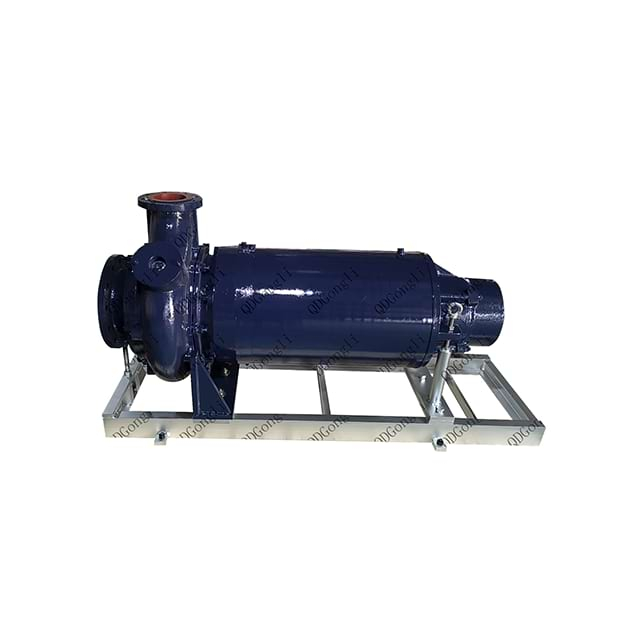
A Screw Centrifugal Pump relies on a spiral-shaped impeller that guides fluid along a smooth, continuous path. It avoids sharp directional changes, so energy loss stays low and hydraulic shock remains controlled. Because it runs at relatively low rotational speed, vibration levels stay stable during long operating periods. These characteristics shape how wear develops and explain why inspection often focuses on gradual trends rather than sudden damage. From the operator’s perspective, this hydraulic behavior supports predictable maintenance planning. Internal components experience steady loading, so inspection decisions rely more on condition monitoring than on frequent disassembly.
Design Feature | Operating Effect | Inspection Implication |
Spiral impeller | Smooth fluid guidance | Wear develops gradually |
Wide flow channel | Improved solids passage | Lower clogging risk |
Low rotational speed | Reduced vibration | Longer bearing inspection cycles |
In many installations, a Screw Centrifugal Pump runs continuously for extended periods. These systems value stable flow and operational reliability over frequent adjustment. Pumps engineered by Qingdao Gongli Technology Co., Ltd. are commonly used in environments where clog resistance and steady output matter, especially when the medium contains solids or fibers. Such operating environments influence inspection strategy. Instead of frequent teardown, operators rely on regular observation and performance consistency. Temperature conditions also play a role, since moderate heat accelerates seal and bearing aging in a predictable way rather than causing immediate failure.
● Continuous-duty operation favors planned inspections.
● Solids and fibers lead to slow, observable wear.
● Stable flow conditions support longer inspection intervals.
● Moderate temperatures shift focus toward seals and lubrication.
Inspection frequency depends heavily on how the Screw Centrifugal Pump operates day to day. Continuous operation applies a steady load, which often reduces fatigue compared to repeated start-stop cycles. Intermittent operation introduces frequent thermal and mechanical changes, placing extra stress on seals, couplings, and bearings. Start-stop frequency also affects lubrication behavior, since bearings experience their highest stress during acceleration. In practice, operators adjust inspection schedules based on operating rhythm rather than total runtime alone. Pumps that start often may need closer inspection even when overall operating hours remain low.
● Continuous duty supports longer inspection intervals.
● Frequent starts increase mechanical stress.
● Load stability improves wear predictability.
The conveyed medium strongly influences how often inspection is required. Solids content affects abrasion rates, while fiber length determines entanglement risk. In fibrous media, performance decline usually appears gradually, so inspections focus on early indicators rather than emergency blockage. Temperature further shapes inspection needs, as higher heat accelerates seal aging and lubricant degradation even when hydraulic conditions remain stable. Operators often adjust inspection timing based on medium behavior and temperature trends instead of fixed schedules. This approach balances reliability and maintenance effort while avoiding unnecessary downtime.
Medium Factor | Effect on Components | Inspection Adjustment |
High solids content | Increased surface wear | Shorter impeller checks |
Long fibers | Gradual flow restriction | Earlier visual inspection |
Elevated temperature | Faster seal aging | Reduced seal inspection interval |
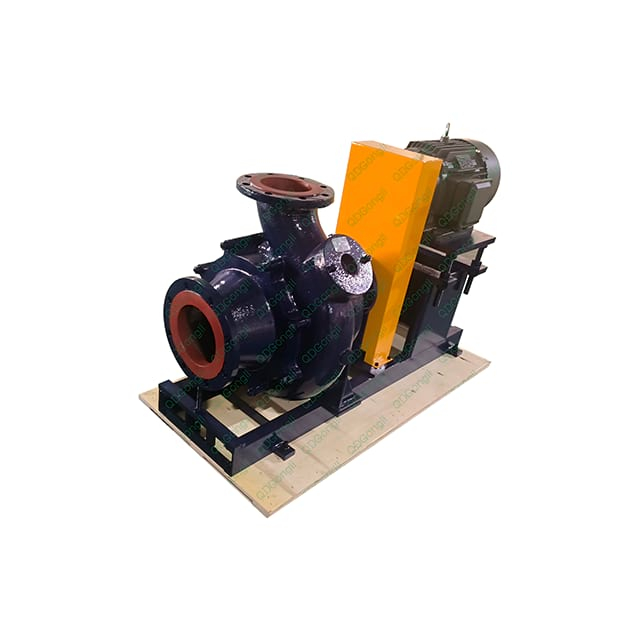
Installation structure determines how inspections are carried out in real conditions. Dry-installed and vertical configurations improve access to bearings, seals, and couplings, making routine checks faster and more consistent. When components are easy to reach, operators tend to inspect more regularly instead of postponing maintenance. In contrast, limited-access installations rely more on vibration and temperature monitoring to guide inspection timing. From an operational standpoint, inspection feasibility matters as much as technical necessity. Accessible layouts support preventive inspection, while constrained layouts depend on condition indicators to signal when intervention becomes necessary.
● Dry-installed layouts simplify routine checks.
● Vertical configurations improve access to key components.
● Limited access increases reliance on monitoring data.
Daily checks keep a Screw Centrifugal Pump running safely before problems grow. Operators usually rely on sight, sound, and basic feel instead of tools. It helps them catch early seal issues, abnormal vibration, or unexpected noise during startup. These checks take little time, yet they reduce the risk of sudden failure during operation. In many continuous-duty systems supplied by Qingdao Gongli Technology Co., Ltd., daily checks focus on stability rather than adjustment. When startup behavior stays consistent, inspection effort shifts toward monitoring trends instead of corrective action.
● Operators look for visible leakage near seals and joints.
● They listen for unusual noise or vibration during startup.
● They confirm smooth acceleration and stable initial flow.
Weekly and monthly inspections go beyond visual checks and focus on operating condition. They help operators understand how the Screw Centrifugal Pump behaves over time. Vibration, temperature, and lubrication condition reveal gradual wear patterns long before performance drops. These inspections usually happen while the pump stays installed and running. From a maintenance point of view, they balance effort and benefit. Instead of disassembling parts, teams observe trends and compare readings from previous weeks. This approach fits systems designed for long, uninterrupted operation.
Inspection Item | What It Indicates | Typical Action |
Vibration trend | Alignment or bearing condition | Monitor or schedule adjustment |
Bearing temperature | Lubrication or load issues | Check lubrication quality |
Seal condition | Early leakage development | Plan seal inspection |
Quarterly and annual inspections focus on internal condition and long-term reliability. At this stage, teams assess components that influence efficiency and service life. The Screw Centrifugal Pump often shows gradual wear rather than sudden damage, so these inspections confirm whether performance still matches design expectations. Annual inspections often align with planned shutdowns. Operators compare current flow, head, and power consumption against original operating data. When deviations appear, they plan targeted maintenance instead of full overhaul.
● Impeller and casing condition receive closer attention.
● Bearings get checked for wear and noise history.
● Performance data gets reviewed against baseline values.
The impeller and flow passage define hydraulic performance in a Screw Centrifugal Pump. Their condition affects efficiency, vibration, and energy use. Because the spiral design promotes smooth flow, wear usually appears as gradual surface change rather than sudden damage. Operators inspect these areas during planned maintenance or shutdown periods. Over time, solids and fibers polish or erode surfaces. When buildup appears, it changes flow behavior and raises energy demand. Inspection focuses on identifying these changes early, before they affect system stability.
● Surface erosion or corrosion on impeller blades.
● Buildup inside flow passages affecting smooth flow.
● Gradual efficiency loss linked to internal wear.
Seals and bearings determine reliability and operating safety. In a Screw Centrifugal Pump, they experience continuous load under stable conditions. Leakage, temperature rise, or noise often signal early problems. Lubrication quality plays a central role, since degraded lubricant accelerates wear even when loads remain constant. Operators usually inspect these components during routine checks and condition monitoring. They rely on temperature and sound rather than frequent disassembly, especially in continuous-duty installations.
Component | Common Indicator | Inspection Focus |
Mechanical seal | Minor leakage | Leakage trend evaluation |
Bearings | Noise or heat | Temperature and sound |
Lubrication | Color or viscosity change | Lubricant condition |
Alignment and structural integrity affect vibration and long-term stability. Misalignment increases bearing load and shortens service life. In a Screw Centrifugal Pump, alignment issues often appear gradually through vibration rather than sudden failure. Casing condition also matters, since cracks or deformation compromise reliability. Inspection usually combines visual checks and vibration observation. When alignment stays stable and casing integrity remains intact, operators extend inspection intervals confidently.
● Shaft alignment influences vibration behavior.
● Coupling condition affects load transmission.
● Casing integrity supports long-term reliability.
Visual checks help, yet they miss slow changes inside a Screw Centrifugal Pump. Many faults grow quietly. Bearings heat up little by little. Seals leak more over weeks, not hours. Trend monitoring fills this gap. It lets us see patterns and react early, before damage spreads. Data also supports better decisions. Instead of guessing inspection timing, teams rely on numbers. They compare today’s readings against last month’s baseline. When trends stay flat, inspections can wait. When trends drift, inspections move sooner.
● Visual checks catch obvious issues, not gradual ones.
● Trend data shows how conditions change over time.
● Early signals reduce emergency shutdown risk.
● Decisions feel clearer when numbers guide them.
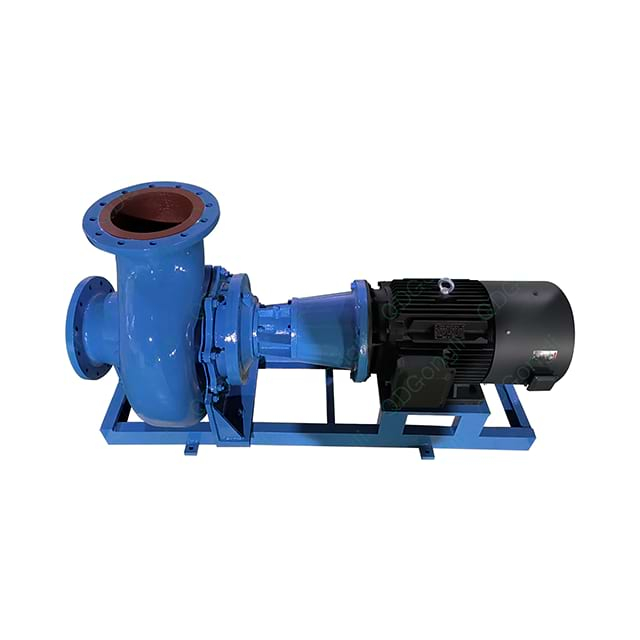
A Screw Centrifugal Pump responds clearly to changes in operating conditions. Flow, pressure, temperature, and power consumption reflect internal health. Vibration and noise trends often reveal alignment or bearing issues early. When teams track these values consistently, inspection planning becomes simpler and safer. Most operators collect data during normal operation. They avoid stopping the pump. Over time, these records form a performance fingerprint. When values drift from normal ranges, inspection timing adjusts naturally.
Parameter | What It Reveals | Inspection Trigger |
Flow rate | Hydraulic efficiency | Drop from baseline |
Bearing temperature | Lubrication condition | Gradual temperature rise |
Power consumption | Internal resistance | Unexpected increase |
Vibration level | Alignment or bearing wear | Rising vibration trend |
Operating data helps teams fine-tune inspection cycles. When trends stay stable, inspection intervals can extend safely. It saves labor and avoids unnecessary disassembly. When trends shift, inspections move forward before failure appears. This balance keeps reliability high while controlling maintenance effort. In long-running systems, many users adjust inspection frequency monthly or quarterly based on data trends. They rely less on fixed schedules and more on real behavior. It keeps the Screw Centrifugal Pump running efficiently without extra risk.
● Stable data supports longer inspection intervals.
● Early trend changes justify closer inspection.
● Data-driven planning reduces unnecessary maintenance.
Inspection works best when it connects directly to preventive maintenance. For a Screw Centrifugal Pump, teams often align inspection tasks with lubrication, alignment checks, and cleaning routines. It reduces repetition and saves time. Instead of separate visits, one planned stop handles several tasks. This approach also lowers unplanned downtime. When inspection and maintenance move together, issues get fixed before they interrupt operation. Many operators find it easier to keep schedules consistent and predictable.
● Inspection aligns naturally with lubrication routines.
● Alignment checks fit well into planned maintenance windows.
● Combined tasks reduce total downtime.
Inspection records shape long-term reliability. When teams document readings, observations, and actions, patterns emerge. A Screw Centrifugal Pump often behaves differently as it ages. Early years show stability. Mid-life shows gradual wear. Later years demand closer attention. Lifecycle-based planning uses these records to adjust inspection focus. Early inspections stay light. Later inspections grow deeper. It keeps effort proportional to risk and avoids surprise failures.
Lifecycle Stage | Typical Condition | Inspection Focus |
Early service | Stable performance | Basic monitoring |
Mid-life | Gradual wear | Trend analysis |
Late service | Increased risk | Closer inspection |
Design plays a quiet role in inspection efficiency. Spiral hydraulic paths and stable load distribution help a Screw Centrifugal Pump run smoothly for long periods. Engineering-driven design reduces abnormal wear and simplifies monitoring. This philosophy reflects the technical approach of Qingdao Gongli Technology Co., Ltd., where spiral centrifugal pump designs emphasize stability, accessibility, and predictable behavior. These traits make inspection planning clearer and reduce maintenance pressure over the pump’s service life.
● Stable hydraulic design limits sudden wear.
● Accessible structures simplify routine inspection.
● Predictable behavior supports data-driven planning.
Regular inspection keeps a Screw Centrifugal Pump reliable and efficient. Inspection frequency depends on operation mode, media, and monitoring data. Trend analysis helps reduce unnecessary maintenance while avoiding failures. Qingdao Gongli Technology Co., Ltd. supports stable pump operation through engineering-focused design and application-driven solutions that create long-term value for operators.
A: Screw Centrifugal Pump inspection frequency depends on operation mode, medium type, and condition monitoring data.
A: For continuous-duty Screw Centrifugal Pump systems, daily checks and monthly condition inspections are common.
A: Operating data reveals wear trends, helping adjust Screw Centrifugal Pump inspection timing safely and efficiently.
A: Yes, higher solids or fibers require more frequent inspection to prevent efficiency loss or blockage.
A: Yes, planned inspections lower downtime, avoid failures, and reduce long-term maintenance costs.