


Views: 0 Author: Site Editor Publish Time: 2026-01-19 Origin: Site


Why do submerged pumps fail sooner than expected? Many issues start quietly, below the surface. A Submersible Screw Centrifugal Pump works in harsh conditions every day. Small maintenance gaps grow into serious problems. In this article, we explain how to maintain it. You will learn what to check, when to act, and why it matters.
A Submersible Screw Centrifugal Pump works fully submerged, often in harsh liquids. Heat dissipation becomes limited under water, and internal parts rely on pumped media for lubrication. If routine care stops, wear rises fast. Efficiency drops quietly, then failure appears suddenly. Many users notice issues only after flow loss or vibration becomes obvious, which usually means internal damage already exists. Regular maintenance keeps performance stable and avoids costly downtime.
Maintenance frequency directly affects pump efficiency. Clean internals keep hydraulic clearances stable. Stable clearances protect flow rate and discharge pressure. When inspections follow a schedule, energy use stays predictable. Over time, this matters more than how the pump looked on installation day. In real operation, reliability depends less on setup and more on how consistently the pump receives attention.
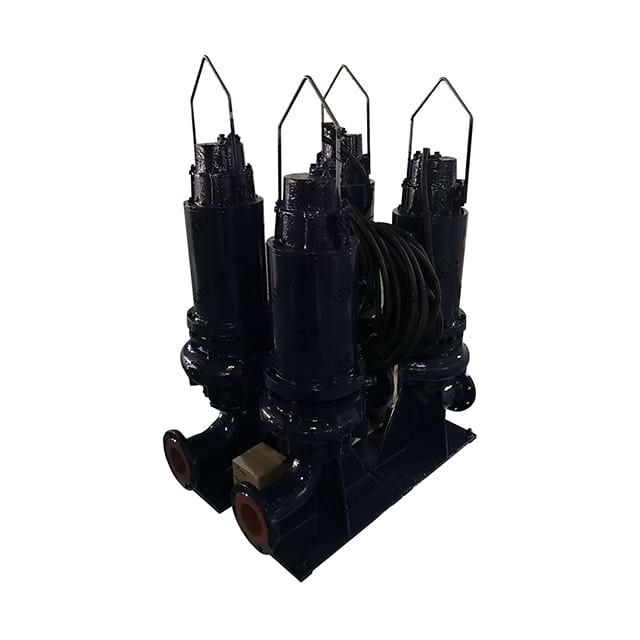
Qingdao Gongli Technology Co., Ltd. designs its submersible screw centrifugal pumps for maintainable operation. Internal structures allow inspection. Seal systems support scheduled replacement. Material choices reduce abrasive damage. These design choices align closely with long-term maintenance logic rather than short-term output alone.
Maintenance Focus | Impact on Performance | Long-Term Benefit |
Routine inspection | Stable flow, lower vibration | Longer service life |
Seal monitoring | Reduced leakage risk | Protection of motor |
Cleaning and checks | Consistent efficiency | Lower operating cost |
Continuous submerged operation changes how a Submersible Screw Centrifugal Pump behaves. Water absorbs heat slowly compared to air, so temperature rises remain hidden. Internal friction still exists, even if users cannot feel it. Pumped liquid often acts as lubricant, which means fluid quality directly affects wear speed. Poor lubrication increases friction, then damages screws and liners over time.
Internal clearances become more sensitive under water. Small clearance changes alter efficiency and pressure quickly. Unlike dry-installed pumps, submerged designs hide early warning signs. Operators need inspection routines rather than visual clues. This explains why structured maintenance plans matter more for submersible equipment than for surface-mounted units.
Operating Factor | Hidden Risk | Maintenance Action |
Limited heat release | Overheating | Monitor load trends |
Liquid lubrication | Accelerated wear | Control fluid quality |
Tight clearances | Efficiency loss | Periodic inspection |
Pumped media often contains solids, fibers, or fine particles. These materials slowly grind internal surfaces. Screws, liners, and internal bores suffer first. Wear does not stop the pump immediately. It reduces capacity step by step. Many operators mistake this decline for system changes rather than internal damage.
Strainers and suction pressure monitoring play a critical role. Clean strainers limit abrasive entry. Stable suction pressure signals healthy inlet conditions. When pressure drops or fluctuates, solids buildup often exists upstream. Gongli emphasizes material selection and internal geometry for solids-handling tasks, which helps reduce wear speed, but no design removes the need for monitoring and cleaning.
● Solids increase friction inside screw channels.
● Abrasives enlarge internal clearances gradually.
● Monitoring pressure trends reveals early wear signs.
● Cleaning schedules protect hydraulic efficiency.
Inside a Submersible Screw Centrifugal Pump, internal clearances decide how smoothly liquid moves. They control efficiency, pressure, and energy use. When screws and liners wear, flow drops first. Pressure follows later. Operators often notice rising power draw or unstable discharge before visible damage appears. Regular checks help keep clearances close to design values, which protects performance and avoids sudden failure.
Wear develops gradually. Abrasive particles polish metal surfaces. Clearances widen. Efficiency slips quietly. Inspection becomes necessary when noise increases, vibration appears, or capacity falls under steady conditions. Pumps engineered by Qingdao Gongli Technology Co., Ltd. focus on stable internal geometry, which slows wear, but routine checks still matter.
Indicator | Likely Cause | Maintenance Action |
Reduced flow | Enlarged clearances | Inspect screw and liner |
Pressure drop | Internal wear | Measure hydraulic gap |
Abnormal noise | Rotor surface damage | Schedule teardown |
Mechanical seals protect the motor from liquid ingress. They face constant pressure and rotation under water. Over time, mating faces wear and O-rings harden. Small leaks often look harmless, yet they signal seal degradation. If leakage grows, it spreads damage fast. Operators should inspect seals during scheduled maintenance rather than waiting for visible failure.
Reuse creates risk. Seals showing scratched faces or hardened O-rings should go straight to replacement. Excessive dripping indicates loss of sealing force and demands immediate action. Preventive replacement costs less than motor repair. Gongli designs seal systems for predictable service intervals, which supports planned maintenance instead of emergency response.
● Inspect seal faces for scratches and uneven wear.
● Check O-rings for elasticity and surface cracks.
● Replace seals showing continuous leakage.
● Avoid reinstalling aged sealing elements.
Electrical reliability keeps a Submersible Screw Centrifugal Pump alive. Motors operate underwater, so insulation health matters. Annual checks reveal moisture ingress early. Cables face bending, abrasion, and chemical exposure. Damage often hides beneath insulation, then fails suddenly. Routine inspection reduces unexpected downtime.
Electrical checks reflect Gongli’s maintenance philosophy. They treat prevention as core practice. Inspect insulation resistance, tighten terminals, and secure cable routing. These steps reduce risk long before alarms trigger. Operators gain confidence when electrical systems stay predictable.
● Test motor insulation yearly.
● Inspect cable jackets for cracks or cuts.
● Verify secure grounding and connections.
● Track electrical readings for trend changes.
External cleaning protects internal parts indirectly. Deposits trap heat and hide corrosion. Regular washing removes buildup and reveals surface damage early. Visual checks help operators spot leaks, rust, or abnormal stains before they spread. Even simple cleaning supports stable operation.
Inspection should follow a routine. Look at housing surfaces, cable entry points, and fasteners. Consistent inspection builds familiarity. Operators notice small changes sooner, which reduces reaction time during faults.
Vibration loosens hardware slowly. Loose fasteners cause misalignment, then secondary damage. Routine tightening prevents movement before it grows harmful. It also protects seals and bearings from uneven loading. Many failures begin at loosened joints rather than worn internals.
Maintenance teams should follow a torque routine. Check bolts after initial operation and during scheduled stops. This simple step preserves structural integrity and avoids cascading issues.
Component | Risk if Loose | Maintenance Benefit |
Housing bolts | Misalignment | Stable operation |
Mounting screws | Vibration damage | Reduced wear |
Cable clamps | Electrical stress | Improved safety |
Reassembly requires discipline. O-rings should never return to service once removed. New seals protect against contamination behind sealing areas. Clean sealing grooves carefully. Residue left behind causes leaks later. When cleaning agents enter service, choose mild solutions and rinse thoroughly.
Chlorine-based cleaners leave fewer residues. Acid solutions increase corrosion risk. Keep exposure short. Proper reassembly supports long seal life and stable performance. This practice aligns well with Gongli’s focus on predictable maintenance cycles rather than reactive repair.
In a Submersible Screw Centrifugal Pump, pumped media controls wear speed more than run hours. Liquids carrying sand, fibers, or sludge polish internal surfaces every minute. Wear rarely appears suddenly. It grows quietly. Operators first notice unstable flow or higher power use. Noise changes and vibration often follow. These signals matter because they reveal internal damage before shutdown occurs.
Performance trends serve as early warnings. Track flow rate, discharge pressure, and vibration together. A small drop across all three often signals internal wear. This approach reduces guesswork. Teams catch problems earlier and avoid emergency teardown.
● Abrasive media increases screw and liner erosion.
● Fibrous content raises torque and vibration.
● Capacity loss signals widening clearances.
● Noise change often precedes visible failure.
Performance Change | Likely Wear Source | Action |
Gradual flow drop | Screw surface wear | Plan inspection |
Pressure instability | Liner erosion | Measure clearance |
Rising vibration | Rotor imbalance | Schedule overhaul |
Scheduled overhauls expose what routine checks cannot. Internal inspection focuses on rotors, bores, and liners. Look for scoring, uneven polishing, or deformation. These marks explain performance loss better than external symptoms. Measuring internal clearances confirms wear extent and guides repair decisions.
Qingdao Gongli Technology Co., Ltd. recommends structured overhaul intervals instead of reactive repair. Planned downtime costs less. It also protects motors and seals from secondary damage. Overhauls follow condition trends rather than fixed guesses, which supports long service life.
● Inspect rotor surfaces for scoring.
● Check liner condition and roundness.
● Measure hydraulic gaps accurately.
● Record wear patterns for trend analysis.
Seal failure often reveals itself through oil condition. Lubricating oil should stay clear. Cloudy or milky appearance signals water ingress. This change means seal integrity is lost. Continued operation risks bearing and motor damage. Immediate action prevents deeper failure.
Oil emulsification offers a clear message. Replace contaminated oil. Inspect mechanical seals. Replace seals showing face damage or hardened elastomers. Delayed response multiplies repair cost. Quick correction protects the entire assembly.
Oil Condition | Interpretation | Required Action |
Clear oil | Normal operation | Continue monitoring |
Cloudy oil | Early water ingress | Inspect seal |
Milky oil | Seal failure | Stop and replace |
Preventive maintenance keeps a Submersible Screw Centrifugal Pump predictable. Each task builds on the previous one. Cleaning reveals defects. Electrical checks protect motors. Mechanical inspections preserve efficiency. Final testing confirms success before returning to service.
● Clean pump surfaces and nearby area to expose defects.
● Inspect wiring, terminals, and control panels.
● Measure motor voltage and current for balance.
● Inspect screw components and impeller condition.
● Verify discharge pipe, valves, and check valves.
● Test operation under normal load conditions.
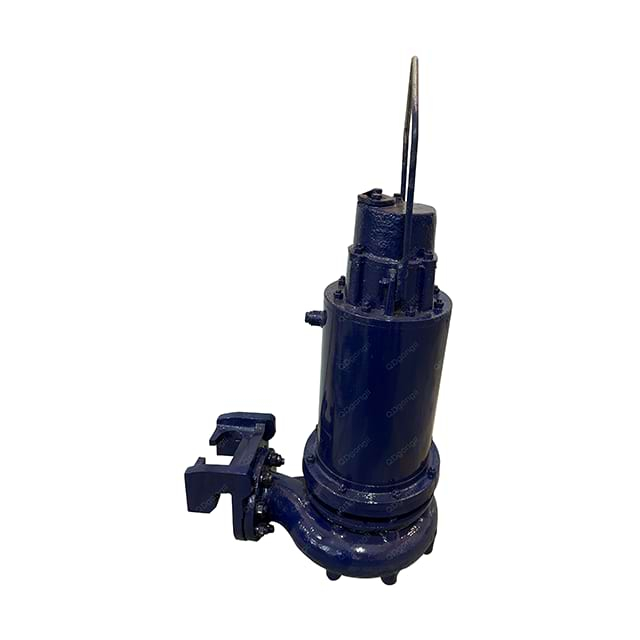
Short-term care keeps a Submersible Screw Centrifugal Pump stable during daily operation. These checks happen while the pump runs under normal load. Operators listen, observe, and compare behavior over time. Small changes often appear first in sound or vibration. Catching them early prevents deeper wear inside screws and liners.
Routine inspections focus on trends, not single readings. Track vibration, noise, suction pressure, and discharge pressure together. When one value drifts, others usually follow. Teams using trend logs respond faster and avoid emergency shutdowns. Pumps designed by Qingdao Gongli Technology Co., Ltd. support this approach by maintaining predictable operating characteristics.
● Observe noise tone and vibration pattern daily.
● Compare pressure readings under similar conditions.
● Watch for gradual capacity decline.
● Record changes rather than relying on memory.
Parameter | Normal Behavior | Early Warning Sign |
Vibration | Stable, low | Gradual increase |
Noise | Smooth rotation | Irregular tone |
Pressure | Consistent | Slow fluctuation |
Annual maintenance looks deeper. Oil condition reveals seal health. Clear oil signals normal operation. Cloudy oil suggests early water ingress. Milky oil demands immediate action. Regular oil replacement protects bearings and reduces internal friction. Motor fastening and insulation checks follow. Loose fasteners or reduced insulation resistance increase electrical risk.
Multi-year planning focuses on overhaul cycles. Instead of waiting for failure, teams schedule inspections based on operating hours and media severity. This method limits downtime and protects core components. Structured cycles cost less than reactive repairs and keep performance predictable.
● Inspect and replace lubricating oil yearly.
● Test motor insulation resistance.
● Tighten motor and housing fasteners.
● Plan overhauls using operating trends.
Maintenance Interval | Main Task | Purpose |
Annual | Oil inspection | Seal protection |
Annual | Insulation test | Electrical safety |
Multi-year | Overhaul | Wear control |
Safety rules protect both people and equipment. Power disconnection stands first. Always isolate electrical supply before touching the pump. Submerged equipment hides hazards. Water conducts electricity. Even minor voltage presence creates serious risk. Lockout procedures remove uncertainty and protect maintenance teams.
Maintenance during operation creates danger. Rotating parts and pressurized systems react instantly. Stop the pump completely before inspection. Allow it to cool and depressurize. Submerged electrical equipment needs extra care. Dry tools, proper grounding, and insulated gloves reduce exposure risk.
● Disconnect and lock power supply.
● Confirm zero voltage before work.
● Never service during operation.
● Use insulated tools near wet areas.
Safety Step | Risk Reduced | Result |
Power isolation | Electric shock | Safe access |
Full shutdown | Mechanical injury | Controlled work |
Proper tools | Electrical hazard | Operator protection |
Proper maintenance keeps a Submersible Screw Centrifugal Pump stable and efficient. Regular inspection, preventive planning, and safe practices reduce failure risk. Monitoring wear, seals, oil condition, and electrical systems protects core components. Qingdao Gongli Technology Co., Ltd. designs its pumps for maintainability and reliability. Structured maintenance helps users extend service life and control operating costs.
A: A Submersible Screw Centrifugal Pump handles liquids underwater using screw-assisted centrifugal flow for stable performance.
A: Submersible Screw Centrifugal Pump maintenance depends on media and hours, but routine checks and annual inspections are recommended.
A: Seal leakage often comes from wear, oil contamination, or improper reassembly in a Submersible Screw Centrifugal Pump.
A: Check internal wear, rotor balance, and suction conditions to troubleshoot vibration in a Submersible Screw Centrifugal Pump.
A: Yes, preventive maintenance lowers repair cost, extends service life, and improves efficiency for a Submersible Screw Centrifugal Pump.


