Views: 0 Author: Site Editor Publish Time: 2026-07-11 Origin: Site


Operational headaches constantly plague wastewater management facilities. Pump failure routinely halts daily operations. Ragging, fibrous materials, and severe sludge buildup cause most of these systemic failures. You already know the hidden costs of standard pump blockages. They include unplanned maintenance hours and serious confined space entry risks. You also face strict environmental compliance violations from unexpected system overflows. We must address these operational issues systematically.
The submersible centrifugal screw pump provides a highly targeted solution. Engineers designed it specifically for severe solid-handling environments. This technology shifts your primary focus away from initial capital expenditure. Instead, it prioritizes lifecycle reliability and continuous, uninterrupted operation. You will learn exactly how this specific pump functions. We will explore its unique mechanical advantages and practical industry applications. You will also discover how to properly evaluate, size, and install these units to maximize infrastructure resilience.
Mechanism over Brute Force: Unlike chopper pumps that rely on cutting (and dulling), centrifugal screw pumps use a single-spiral impeller to pass solids gently and continuously.
Efficiency Retention: Screw designs maintain higher hydraulic efficiency than standard vortex pumps, reducing energy costs in high-volume wastewater applications.
Installation Readiness: Proper specification requires evaluating specific solid passage sizes, auto-coupling rail systems, and seal monitoring technologies.
Modern waste streams look very different than they did twenty years ago. The phenomenon known as "ragging" destroys pump performance globally. Modern wastewater contains immense levels of synthetic wipes. It also carries heavy fibrous materials and concentrated FOG (Fats, Oils, and Grease). Consumer flushable wipes do not break down in the sewer system. Their synthetic fibers possess high tensile strength. They twist together into massive, unbreakable ropes inside pump volutes.
Operators frequently deploy vortex pumps to combat these clogs. Vortex pumps feature a recessed impeller. This design creates a whirlpool effect to pull solids through the casing. They resist clogging fairly well. However, their recessed impellers suffer from notably low hydraulic efficiency. They waste significant energy during normal operation. Furthermore, vortex pumps struggle heavily when moving high-viscosity sludge. The whirlpool effect dissipates rapidly in thick, heavy fluids.
Facilities also try chopper or grinder pumps. These units use sharpened blades to macerate solids. The maintenance reality tells a different story. Wastewater contains heavy grit and silica sand. This grit acts like sandpaper. It rapidly wears down hardened steel blades. Dull blades stop cutting materials efficiently. Instead, they snag synthetic rags. This snagging eventually leads to the exact clogs they were designed to prevent. You end up pulling pumps weekly.
You must find a reliable wastewater pump. It must balance excellent energy efficiency. It must also guarantee continuous, unimpeded solid passage. Facilities can no longer afford to compromise between hydraulic efficiency and basic operational uptime.

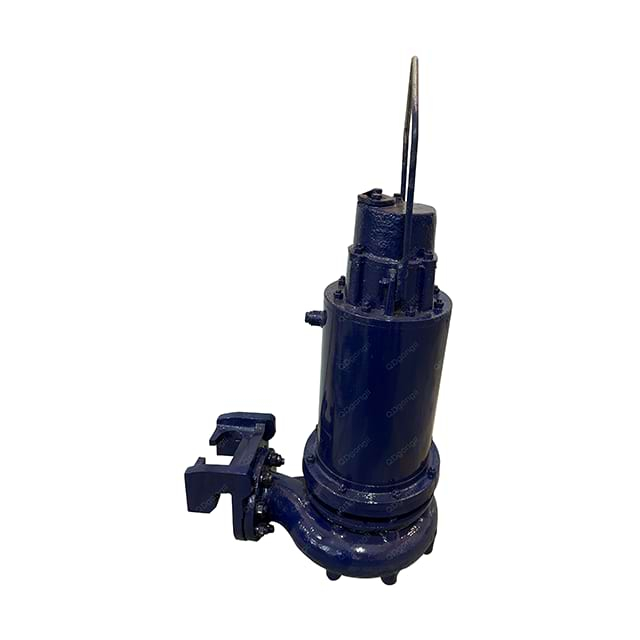
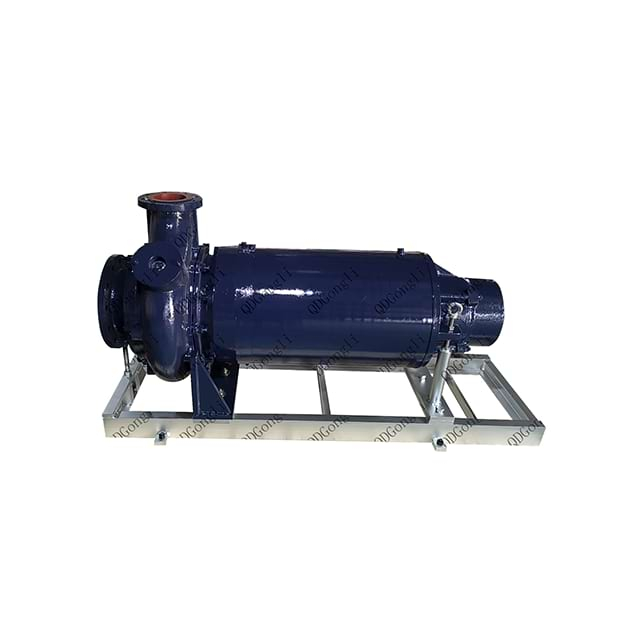
The internal geometry of this pump separates it from conventional designs. The architecture relies on a corkscrew-like, single-vane impeller. This impeller pairs directly with a precisely machined, conical suction cover. The impeller extends smoothly into the suction pipe. This extension allows the screw to interact with the fluid immediately upon entry.
This design merges positive displacement principles with standard centrifugal force. The screw portion draws thick sludge in gently. It operates with extremely low shear. Low shear means it does not agitate or emulsify the fluid. Once the fluid enters the impeller, centrifugal action takes over. It propels the material outward into the discharge pipe. The continuous, sweeping curve of the single vane leaves no leading edges. Without leading edges, fibrous materials cannot wrap around the shaft.
We must address the "non-clogging" reality check. Manufacturers label many units as clog-free. In reality, no pump is completely immune to severe abuse. However, a true non clogging pump offers the highest possible threshold for passing solids. The screw design easily passes large, irregular spherical solids. It handles heavy rags without jamming. It achieves this without relying on sharp cutting edges.
Selecting the correct unit requires careful technical evaluation. You cannot rely on horsepower alone. You must examine several critical engineering factors to ensure long-term success.
Solids Handling Capacity (Free Passage): You must match the pump's spherical passage rating to your waste stream. Municipal stations often require a 3-inch or 4-inch minimum solid passage. Evaluate your historical blockage data. Choose a free passage size that easily accommodates your largest routine debris.
Hydraulic Efficiency and Operating Range: Always evaluate the manufacturer's pump curve. Screw centrifugal impellers offer a steep, highly stable performance curve. This stability prevents motor overloading. It protects the motor even as the system's total dynamic head (TDH) varies wildly during storm events.
Material Selection for Wear Resistance: Material dictates lifespan. Standard municipal applications typically use cast iron housings with hardened impellers. Abrasive industrial environments require stronger metallurgy. High-chrome iron combats heavy sand and grit. Duplex stainless steel resists aggressive chemical corrosion.
Motor Protection and Cooling: Heat destroys pump motors. A reliable submersible screw pump includes Class H motor insulation. Class H withstands temperatures up to 180°C. You also need integrated cooling jackets. These jackets circulate fluid around the motor. They allow continuous operation in dry pits or extremely low-water conditions. IP68 watertight integrity remains absolutely mandatory.
Different environments demand different sizing strategies. A raw sewage lift station operates differently than a paper mill sludge transfer system. Understanding your specific application ensures proper deployment.
Municipal pump stations deal with high unpredictability. Raw sewage lift stations and treatment headworks face massive influxes of flushables. They also experience sudden peak flow events during heavy rain. Operators must handle this unpredictable inflow reliably. Concurrently, they must meet strict municipal energy efficiency mandates. You need a highly efficient municipal pump to satisfy both requirements without compromise.
Industrial wastewater presents a different challenge. Industrial facilities often transfer primary sludge or activated sludge. Food processing plants and paper mills pump effluent with very high dry-solids content. The fluid behaves more like a paste than water. The low-shear nature of the screw impeller excels here. It moves thick, viscous materials without breaking down delicate biological flocs.
Scalability requires careful planning. We strongly recommend dual (duplex) pump configurations for critical infrastructure. A duplex setup ensures necessary redundancy. It allows lead-lag operation to manage peak flow events automatically. Single (simplex) configurations only suit non-critical, low-flow applications where temporary downtime remains acceptable.
| Application Factor | Municipal Lift Stations | Industrial Sludge Transfer |
|---|---|---|
| Primary Challenge | Unpredictable flushables and synthetic rags | High viscosity and heavy dry-solids content |
| Flow Profile | Variable (high peak flows during storms) | Generally consistent, continuous batch flows |
| Material Preference | Standard Cast Iron / Hardened Steel | High-Chrome Iron or Duplex Stainless Steel |
| Efficiency Focus | Meeting strict government energy mandates | Preventing pipe friction losses with thick fluids |
Proper installation guarantees the pump reaches its expected lifespan. Modern deployment methods prioritize operator safety and maintenance ease. The days of sending crews into hazardous wet wells are over.
Submersible deployment relies heavily on the auto-coupling installation method. Operators install a permanent discharge base at the bottom of the wet well. Two parallel guide rails extend to the surface access hatch. You attach a guide bracket to the pump. This setup allows you to hoist the submersible screw pump for wastewater out of the pit using a crane. The pump disconnects automatically. Operators never enter the confined space.
Seal and moisture monitoring prevent catastrophic electrical failures. Quality pumps utilize dual mechanical seals enclosed in an oil bath. If the primary outer seal fails, the inner seal protects the motor. Early-warning moisture sensors sit inside the stator housing. These sensors detect microscopic water ingress. They send an alert to your control panel immediately. You can schedule maintenance before the motor shorts out.
Adjustability extends the lifespan of the wet end. Over years of handling grit, internal clearances open up. Efficiency drops as fluid recirculates internally. Premium designs feature adjustable suction liners or cones. As wear occurs, maintenance crews can easily adjust the clearance between the impeller and the cone. You restore factory pump efficiency quickly. You avoid replacing expensive parts immediately.
Evaluating manufacturers requires asking difficult operational questions. Do not accept generic marketing brochures. Request detailed case studies focusing specifically on rag-handling capabilities. Ask for specific NPSH (Net Positive Suction Head) requirements for your intended flow rate. Verify the local availability of critical replacement parts. Supply chain delays will leave your station vulnerable.
You must balance upfront costs against proven reliability. Establish your current baseline cost of downtime. Calculate the monthly expenses for emergency vacuum trucks. Include the overtime pay for weekend maintenance callouts. Factor in potential regulatory fines from overflows. Compare these severe baseline costs against the reliability of the new unit. The upgrade justifies itself rapidly when you eliminate weekly unblocking procedures.
We recommend starting with a pilot installation. Identify your most problematic lift station. Conduct a detailed system audit first. Verify your actual flow rate, total dynamic head, and solid concentrations. Install a single centrifugal screw pump. Monitor its energy draw and blockage frequency for ninety days. Once it proves its reliability, you can proceed with a full facility rollout safely.
Selecting the right submersible equipment transforms wastewater management. It bridges the crucial gap between high energy efficiency and reliable solid handling. Conventional designs force you to choose between preventing clogs and saving electricity. Screw centrifugal technology eliminates that compromise entirely.
Upgrading your stations represents a strategic investment in long-term infrastructure resilience. You directly reduce hazardous, confined-space maintenance tasks. You also protect your operational budget from unpredictable emergency repairs. Evaluate your worst-performing lift stations today. Audit your flow requirements accurately. Implement a screw centrifugal solution to finally eliminate persistent ragging and clogging issues.
A: A standard non-clog vortex pump uses a recessed impeller to create a whirlpool, which has poor hydraulic efficiency. A screw centrifugal pump uses a single-spiral, corkscrew-like impeller. This design directly engages the fluid, passing heavy solids and rags while maintaining much higher hydraulic efficiency and lower shear.
A: Yes. The corkscrew action gently pulls fibrous materials through the volute. The single-vane design lacks a blunt leading edge. Because there is no flat edge for wipes to catch on, synthetic fibers pass through continuously without wrapping tightly around the rotating shaft.
A: No. These pumps are highly compatible with standard auto-coupling bases and dual guide rail systems. You can easily retrofit them into existing wet wells. This allows operators to safely hoist the unit out for inspection without ever entering the hazardous confined space.
A: Clearance adjustments depend heavily on your application's severity. Stations processing high levels of abrasive grit may need adjustments annually. For standard municipal wastewater, you might check clearances every two to three years. Always reference the manufacturer's operation manual for specific tolerance guidelines.