Views: 0 Author: Site Editor Publish Time: 2025-11-20 Origin: Site


Submersible screw centrifugal pumps are indispensable in many industries due to their ability to handle complex and demanding media such as wastewater, slurry, and liquids containing large solid particles. These pumps are designed to operate submerged in the liquid they are pumping, offering more efficient and space-saving solutions compared to traditional centrifugal pumps.
The main reason to choose a submersible screw centrifugal pump lies in its unique design, which combines screw and centrifugal mechanisms. This design enables the pump to effectively move liquids with high solid content, long fibers, and even abrasive materials. Additionally, these pumps are known for their non-clogging performance, energy efficiency, and versatility across various applications.
In this guide, we will walk you through the process of installing a submersible screw centrifugal pump, detailing the preparation required, step-by-step installation procedures, common issues you may encounter, and best practices for successful operation. By following this guide, you can ensure the pump operates at its optimal efficiency and longevity.
A submersible screw centrifugal pump is engineered to operate underwater, and is typically used for pumping liquids containing high amounts of solids or complex mixtures. The unique screw impeller design enables it to handle materials like mud, sludge, and fibers with ease, which are often problematic for traditional pumps.
These pumps work on the principle of combining screw and centrifugal force. The screw mechanism draws liquid in while the centrifugal force propels it outward through the pump casing, ensuring smooth operation even in challenging conditions.
Self-Priming: Submersible screw centrifugal pumps are ideal for operations with fluctuating water levels, such as sewage systems and water treatment facilities. They do not require priming before operation.
Non-Blocking: The screw design prevents clogging, allowing for the efficient movement of slurry or fibrous materials that often block traditional pumps.
Energy Efficient: These pumps are designed to minimize energy consumption, making them cost-effective for long-term use.
Versatile: Submersible screw centrifugal pumps are used in a wide array of industries, including wastewater treatment, mining, agriculture, and industrial fluid transfer applications.
Proper preparation is key to ensuring the successful installation and optimal performance of your submersible screw centrifugal pump. Before starting the installation process, make sure to follow these preparatory steps.
Pump and Motor Inspection: Before beginning installation, inspect the submersible pump and motor to ensure that all parts are intact. Pay close attention to the screw impeller, motor shaft, seals, and casing to confirm they are free from defects or damage that could compromise performance.
Pipe and System Compatibility: Check the compatibility of the pump with your existing piping system. Verify that the pipe size, discharge, and suction connections are appropriate for the pump specifications. Improper fittings or mismatched pipes can cause inefficiencies and potential leaks.
Choosing the right location for the pump installation is crucial for its long-term performance and ease of maintenance.
Stability: Ensure that the installation location provides a solid and stable foundation that can withstand the weight and operational forces of the pump. The base should be level and designed to support the pump securely during operation.
Access for Maintenance: The installation area should be accessible for regular maintenance and repair. Leave enough space around the pump to facilitate troubleshooting, cleaning, and part replacement.
Environmental Considerations: Take into account the local environment where the pump will be installed. For example, consider factors such as water temperature, potential corrosive elements, and compliance with environmental regulations in industries like wastewater treatment and mining.
Ensure that the installation area is clear of any debris or obstacles. The floor or base should be leveled to avoid any misalignment during installation. Cleaning the area beforehand will ensure there are no obstructions that could interfere with the installation or future maintenance.
Action | Details |
Ensure Clear Access | Make sure the installation site is easily accessible to allow for quick adjustments or repairs. |
Confirm that the electrical supply meets the pump motor's requirements (voltage, current, etc.). | |
Clean the Area | Remove any dirt, debris, or objects that may obstruct the installation process. |
A stable foundation is essential for preventing vibrations and ensuring long-term reliability.
Install Foundation Supports: The pump should be placed on a strong, stable surface such as a concrete pad or solid foundation. This provides a secure base that can support the weight and operational forces.
Secure the Mounting: Use appropriate anchor bolts or brackets to securely fasten the pump. The pump should remain stationary during operation to prevent unnecessary wear and potential damage.
Action | Details |
Install Foundation Supports | Use a concrete base or a solid structure to securely support the pump's weight. |
Secure the Mounting | Ensure the pump is firmly anchored to prevent movement during operation. |
Connecting the pump to the pipeline is one of the most critical steps in the installation process. The pump must be aligned properly with the inlet and outlet pipes to ensure smooth fluid flow.
Action | Details |
Align the Pump and Pipeline | Carefully align the pump’s suction and discharge ports with the system’s pipes to minimize friction loss and ensure proper flow. |
Ensure Proper Sealing | Use high-quality seals and gaskets to prevent leaks, ensuring a secure connection between the pump and pipes. |
Check for Proper Flow Direction | Confirm that the pump’s inlet and outlet align with the correct flow direction to avoid reverse flow that could damage the system. |
The motor should be installed on its designated platform or mount and connected to the pump via the motor shaft. Proper electrical connections are essential for safe and efficient pump operation.
Action | Details |
Install the Motor | Mount the motor securely on its designated platform. Ensure the alignment between the motor shaft and pump shaft is correct. |
Electrical Connections | Connect the motor to the electrical power source, ensuring that the voltage and current specifications match the pump motor’s requirements. |
Check Wiring | Double-check all wiring connections for correct installation. Ensure all wires are properly insulated and that the ground wire is securely connected. |
Once all components are installed, perform a thorough inspection to ensure everything is correctly assembled and functional.
Action | Details |
Inspect All Connections | Check all pipe connections, the motor, and the electrical wiring for any potential issues that could cause leaks or failures. |
Check Alignment | Ensure that the pump and motor are properly aligned. Misalignment can lead to unnecessary wear, vibration, and reduced efficiency. |
Lubrication | Ensure that all moving parts, such as bearings and seals, are properly lubricated before startup. |
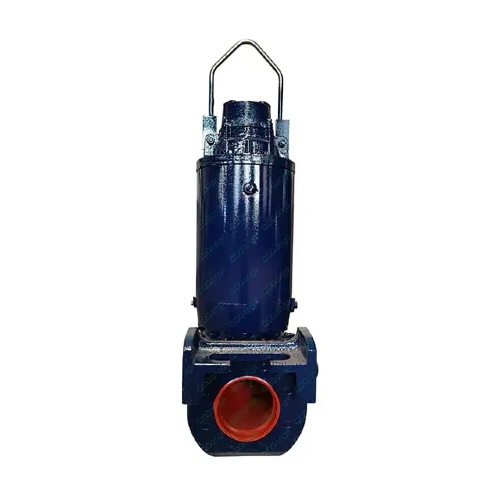
Proper maintenance is essential to the long-term performance of your submersible screw centrifugal pump. Regular checks and upkeep will help prevent common issues such as clogging or motor failure.
Maintenance Task | Frequency | Details |
Inspect Seals and Gaskets | Every 3-6 months | Check for wear and tear; replace if needed to prevent leakage. |
Monitor Pump Performance | Monthly or as needed | Check flow rate, pressure, and efficiency to detect any drop in performance. |
Clean the Pump | Every 6 months | Remove any debris or buildup, especially in slurry or wastewater applications. |
If the pump fails to operate as expected, use the following troubleshooting tips:
Pump Not Starting: If the pump does not start, verify that the electrical supply is functioning properly and check for any faulty wiring or connection issues.
Low Efficiency: A drop in performance could indicate a blockage in the intake or discharge pipes. Inspect the pipes for any obstructions or damage.
Excessive Vibration: If the pump is vibrating excessively, check for alignment issues between the motor and the pump. Unbalanced or misaligned parts can cause strain on the pump, leading to premature wear.
Proper installation of a submersible screw centrifugal pump is essential for ensuring its optimal performance and long-term durability. By following the detailed steps outlined in this guide, you can install the pump correctly and guarantee its reliable operation. Regular maintenance and careful attention to the installation process will help prevent issues and enhance the pump's efficiency over time.
To further ensure the success of your pump installation, it's important to work with an experienced supplier who can provide expert guidance and high-quality products. Qingdao Gongli Technology Co., Ltd. specializes in providing advanced submersible screw centrifugal pumps designed for a wide range of applications. Their expertise in pump technology and commitment to customer satisfaction make them a trusted partner for industries requiring reliable, high-performance pumping solutions. If you're looking for professional advice or need a tailored pump solution, don’t hesitate to reach out to their team for more information and support.
The installation location should be stable, easily accessible, and free from debris. It must also provide enough space for the pump to operate efficiently and be maintained or repaired when necessary.
Check the electrical supply to ensure the motor is receiving power. Verify that all wiring is correctly connected and that there are no issues with the power source. If the problem persists, check the motor for defects or damage.
Basic tools like wrenches, screwdrivers, and electrical testers are typically sufficient for installation. However, some models may require specific tools, such as alignment tools, for assembly or fine-tuning.
The unique screw design of these pumps helps prevent clogging. However, regular maintenance and cleaning are still essential, especially when dealing with materials like slurry or sewage.
Maintenance should be performed every 3 to 6 months, depending on usage. Key tasks include checking seals, lubricating moving parts, inspecting for blockages, and ensuring proper alignment.