Views: 0 Author: Site Editor Publish Time: 2026-04-13 Origin: Site


Handling fluids that contain solids, fibers, or high viscosity is a major challenge in industries like wastewater treatment, agriculture, and manufacturing. While traditional centrifugal pumps excel with clean water, they often struggle when faced with more complex fluids. This is where screw centrifugal pumps step in. Combining centrifugal force with a screw-shaped impeller, these pumps are designed to efficiently move viscous liquids, slurries, and solids-laden media without clogging or wearing out.

In this article, we’ll explore how screw centrifugal pumps work, their unique design features, and why they’re becoming the go-to solution for demanding applications. By the end, you’ll understand why these pumps are essential for industries handling challenging fluids.
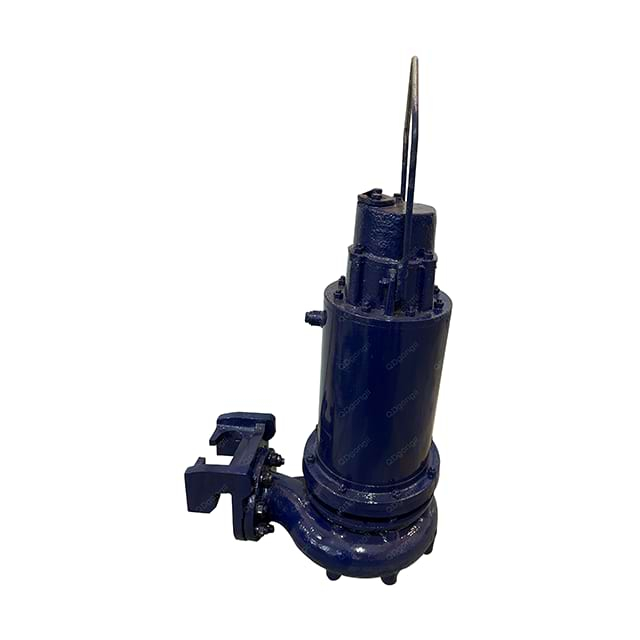
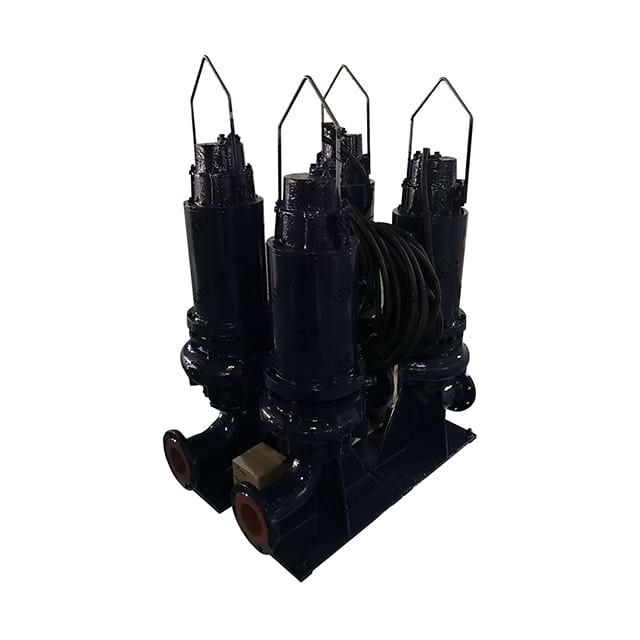
A screw centrifugal pump is a unique type of pump that combines the functionality of a traditional centrifugal pump with the advanced design of a screw impeller. The primary difference between a screw centrifugal pump and a conventional centrifugal pump is the impeller shape. The screw impeller features a helical or spiral design that gently moves the liquid into the pump casing and accelerates it outward, using centrifugal force to create the necessary pressure to move the fluid through the system.
Unlike traditional centrifugal pumps, which rely on radial impellers to move fluid, screw centrifugal pumps are specifically designed to handle slurries, viscous fluids, and fibrous materials that other pumps often struggle with. These pumps provide smoother, more consistent fluid flow, making them an ideal choice for industries like wastewater treatment, agriculture, and chemical processing, where the media being pumped is not clean water, but a mixture of liquid and solid materials.
While both centrifugal pumps and screw centrifugal pumps use centrifugal force to move liquids, the main difference lies in the impeller design. Centrifugal pumps typically use radial impellers, which work well for low-viscosity fluids like water but are less effective when it comes to handling fluids that contain solids or have high viscosity. On the other hand, the screw impeller in a screw centrifugal pump allows the pump to handle a wider range of fluids by moving them smoothly through the pump without causing turbulence, which helps prevent clogging and damage to the pump.
The impeller is the core component of any pump, and in the case of a screw centrifugal pump, it is the screw-shaped impeller that sets it apart from other pumps. The impeller’s helical design enables the pump to generate continuous and smooth flow, which is especially important when dealing with complex fluids like slurry, sewage, or high-viscosity liquids. As the impeller rotates, it draws the fluid in and accelerates it outward through centrifugal force.
Unlike traditional pumps that rely on direct impact or radial force to move the fluid, the screw impeller generates a continuous, smooth movement that avoids abrupt changes in the flow direction. This smooth movement helps reduce the risk of clogs and minimizes the shear forces acting on the liquid, making it suitable for shear-sensitive materials, such as those found in the food and pharmaceutical industries.
As the screw impeller rotates within the casing, centrifugal force causes the fluid to be pushed outward toward the pump's casing. The energy from the rotating impeller transfers to the fluid, creating pressure that moves the fluid through the system. This combination of screw motion and centrifugal force helps the pump maintain a constant flow rate, even when dealing with viscous fluids, large particles, or fibrous materials that can cause clogging in traditional centrifugal pumps.
The centrifugal force is what propels the liquid, but it is the screw impeller that ensures that the fluid is moved gently, preventing turbulence and minimizing the potential for blockages, even in complex media. This design is what makes screw centrifugal pumps so effective in handling a wide variety of fluids, including those with high viscosity or suspended solids.
Another key feature of the screw centrifugal pump is its ability to provide a smooth flow path for the fluid. The screw impeller works to gradually move the liquid through the system, unlike other pumps that may generate turbulence or cause the fluid to change direction rapidly. This smooth flow is particularly important when pumping complex fluids because it helps reduce energy loss, prevents turbulence, and ensures that the fluid is moved efficiently through the pump without excessive wear or degradation.
The design of the screw impeller is optimized to reduce friction, maintain flow consistency, and ensure that the pump operates efficiently over time, even in environments where traditional pumps would experience performance degradation. This is particularly beneficial in systems that require the movement of slurries, sludge, or fibrous materials that might otherwise clog a conventional centrifugal pump.
One of the primary advantages of a screw centrifugal pump is its ability to handle solids. The screw impeller’s larger passageway allows for smooth movement of liquids with suspended solids, including materials like sand, sludge, and fibers. Traditional centrifugal pumps are often not designed to handle solids efficiently, leading to clogs and performance drops. By contrast, the screw centrifugal pump can move these challenging fluids without clogging, which makes it ideal for wastewater treatment, agricultural processes, and industrial applications where solids are present.
One of the biggest advantages of a screw centrifugal pump is its ability to handle slurries, sludge, and solids-laden liquids. Whether you're dealing with wastewater, industrial process liquids, or agricultural slurry, these pumps can move challenging media without clogging or experiencing significant wear. This makes them particularly useful in environments where traditional centrifugal pumps would fail.
Screw centrifugal pumps are specifically designed to handle high-viscosity fluids. The screw impeller’s gradual flow design ensures that even thick liquids can be moved efficiently without causing undue stress to the pump or the system. This capability makes screw centrifugal pumps ideal for applications involving oil-based fluids, slurries, and process liquids.
Because the screw centrifugal pump reduces the risk of clogs and ensures a smoother flow of fluid, it generally requires less maintenance than traditional pumps. This makes it a cost-effective solution in the long run, as you’ll experience fewer downtime periods and less frequent need for cleaning or repairs. With screw centrifugal pumps, your system can keep running without frequent interruptions, reducing maintenance costs and improving overall system reliability.
Screw centrifugal pumps are highly versatile and can be used in a wide variety of industries, including wastewater treatment, agriculture, food processing, biogas systems, and chemical plants. Their ability to handle a wide range of fluids—whether clean or contaminated—makes them an essential part of many industrial applications.
While screw centrifugal pumps may have a slightly higher energy consumption than conventional centrifugal pumps in clean-liquid service, their energy use becomes more efficient in systems where traditional pumps would suffer from clogging, wear, or inefficient flow. Their ability to handle complex fluids smoothly and without interruption reduces the need for additional energy to overcome blockages or maintain flow.
In wastewater treatment plants, screw centrifugal pumps are essential for moving raw sewage, sludge, and activated sludge. These pumps can handle large volumes of dirty, solids-laden liquids and ensure consistent, reliable operation. The ability to handle solids without clogging makes these pumps invaluable for maintaining efficient plant operation.
Screw centrifugal pumps are commonly used in agriculture for handling manure, digestate, and organic slurry. In biogas systems, they help move biomass and digestate, ensuring that the biogas production process remains efficient and uninterrupted. The pump’s ability to handle high-viscosity, fibrous materials makes it ideal for these applications.
In industrial settings, screw centrifugal pumps are used to transport viscous fluids like chemicals, paints, and oil-based products. These pumps can handle slurries, suspended solids, and high-viscosity liquids found in industries such as mining, food processing, and pharmaceutical manufacturing.
These pumps are also used in HVAC systems for stormwater management, drainage, and wastewater pumping in large commercial or industrial buildings. Their ability to handle contaminated or fibrous media makes them a great choice for systems that deal with dirty water or runoff.
When choosing a screw centrifugal pump, the first thing to consider is the fluid characteristics. The viscosity, solids content, and fiber presence in the fluid will determine whether a screw centrifugal pump is necessary. If your fluid contains solids, fibers, or is highly viscous, then a screw centrifugal pump will provide better performance and reliability than a conventional centrifugal pump.
The flow rate and head required by your system should also be considered. Make sure the pump you choose is capable of handling the necessary flow while maintaining the required pressure. Screw centrifugal pumps are ideal for systems with varying flow rates and more complex fluid handling needs.
Consider the efficiency of the pump, both in terms of energy consumption and operational performance. Screw centrifugal pumps are typically more energy-efficient when handling complex fluids, reducing the overall energy cost of your system in the long run.
Ensure the pump material is compatible with the fluid being pumped. Stainless steel, cast iron, and other materials are commonly used for screw centrifugal pumps, depending on the nature of the fluid and the operating environment. For aggressive chemicals or highly corrosive fluids, specialized materials may be required.
In conclusion, screw centrifugal pumps offer a unique solution for industries and applications that need to pump challenging fluids, such as slurries, high-viscosity liquids, and solids-laden media. Their ability to handle a wide range of fluids, reduce clogging, and maintain efficiency under demanding conditions makes them a reliable and cost-effective choice. When selecting a pump, it is essential to evaluate the fluid properties, system requirements, and long-term operational goals to ensure the right choice for your application.
Qingdao Gongli Technology Co., Ltd. specializes in providing high-quality screw centrifugal pumps designed to meet the unique needs of your operations. Whether you're dealing with wastewater treatment, agricultural slurry, or industrial processes, our pumps ensure reliable performance and reduced downtime.
● A screw centrifugal pump combines centrifugal pump principles with a screw impeller design to handle viscous fluids, slurries, and fibrous materials without clogging.
● The screw centrifugal pump uses a screw impeller to move fluid smoothly, while centrifugal force pushes it outward, making it ideal for handling high-viscosity and solids-laden fluids.
● Screw centrifugal pumps offer high solids handling, energy efficiency, and reduced maintenance, making them ideal for demanding environments.
● Yes, screw centrifugal pumps are designed to handle high-viscosity fluids, making them suitable for applications in industries such as food processing, agriculture, and biogas systems.
● Consider factors such as fluid characteristics, flow rate, head, material compatibility, and efficiency when selecting the right screw centrifugal pump for your application.