Views: 0 Author: Site Editor Publish Time: 2025-12-04 Origin: Site


Screw centrifugal pumps are essential equipment used in a variety of industries, from water treatment and agriculture to flood control and industrial applications. These pumps are specially designed to handle large volumes of fluid with relatively low pressure, making them ideal for high-flow, low-head applications.
Understanding how a screw centrifugal pump works is critical for selecting the right pump for a specific task, ensuring that it performs efficiently and reliably over time. This article will dive deep into the working mechanism of screw centrifugal pumps, their key components, and the factors that influence their performance. Whether you are considering upgrading your system or just exploring how these pumps function, this guide will provide valuable insights.
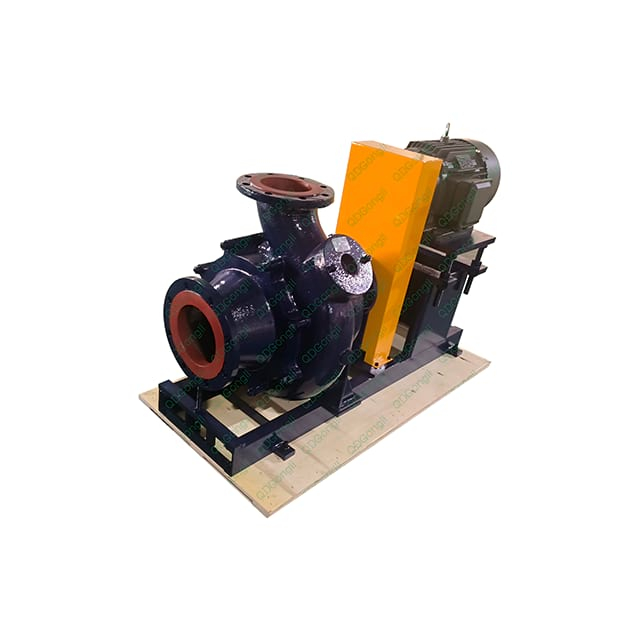
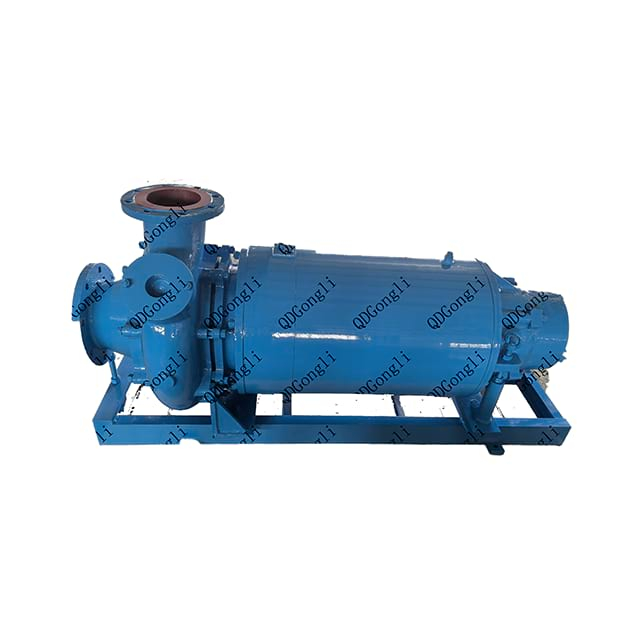
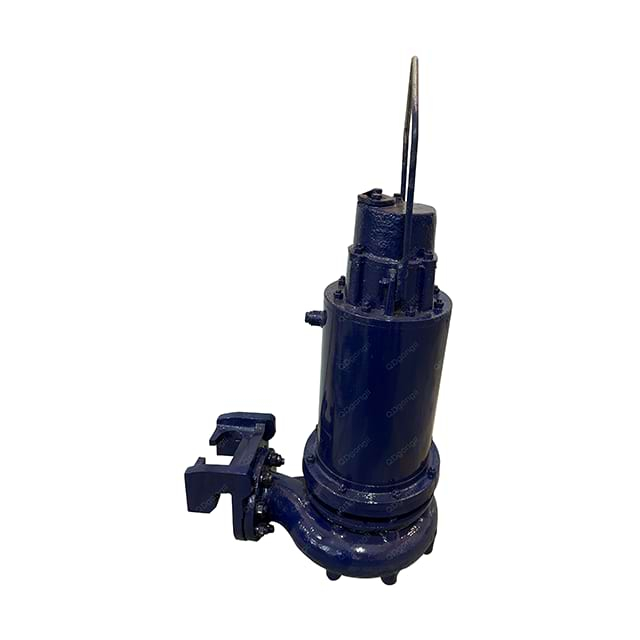
A screw centrifugal pump is a type of centrifugal pump that utilizes a screw impeller to move fluids. Unlike traditional centrifugal pumps that rely on radial flow to push fluid out, screw centrifugal pumps employ a helical screw impeller that pushes the fluid along the pump shaft and then radially outward. This design helps these pumps handle large volumes of fluid with low pressure, making them suitable for a wide range of applications.
The screw impeller is the defining feature of this pump, designed to provide axial flow and create pressure through centrifugal force. This allows screw centrifugal pumps to operate efficiently in environments with high volumes of liquids, such as irrigation systems, flood control applications, and water treatment plants.
Screw centrifugal pumps are often compared to other types of centrifugal pumps, such as radial flow pumps and mixed flow pumps. The key difference lies in the flow pattern. Radial flow pumps create pressure by forcing the fluid to move perpendicularly to the shaft, whereas screw centrifugal pumps generate axial flow along the shaft, allowing for higher flow rates and lower pressures.
The following table compares the key characteristics of these pumps:
Pump Type | Flow Direction | Typical Use | Flow Rate |
Screw Centrifugal Pump | Axial and radial flow | High-flow, low-head applications (e.g., irrigation, water treatment) | High flow, low pressure |
Radial Flow Pump | Radial flow | High-pressure applications (e.g., fire protection, industrial pumps) | Medium flow, high pressure |
Mixed Flow Pump | Combination of axial and radial flow | Moderate pressure and flow applications | Moderate flow, medium pressure |
The working principle of a screw centrifugal pump is based on the combination of axial flow and centrifugal force. Here’s how it works:
Fluid Intake: The fluid enters the pump through the inlet and is directed towards the screw impeller.
Screw Impeller Action: The screw impeller, which is shaped like a helix or spiral, rotates around the shaft. This motion draws the fluid into the pump and begins to move it along the pump shaft.
Centrifugal Force: As the fluid moves along the screw impeller, it is subjected to centrifugal force, which forces the fluid radially outward.
Fluid Discharge: The fluid exits the pump through the outlet with increased pressure and velocity.
This process combines axial flow (along the shaft) and radial flow (outward from the shaft), resulting in high-flow rates and relatively low pressure increases. The screw impeller design allows the pump to handle large volumes of fluid without clogging, even when pumping slurries or liquids with suspended solids.
The fluid is drawn into the pump via the inlet, where it flows into the pump casing and comes in contact with the screw impeller. At this stage, the fluid’s energy is primarily kinetic.
The helical screw impeller rotates, pushing the fluid along the length of the pump shaft. The spiral shape of the impeller causes the fluid to move axially (along the shaft) before being pushed outward by centrifugal force.
As the fluid moves through the screw impeller, it gains velocity. The centrifugal force generated by the rotating impeller pushes the fluid radially outward, increasing its pressure and forcing it to exit the pump through the outlet.
The pressurized fluid is discharged through the outlet, ready for use in its application. This discharge is characterized by high flow and low pressure, making screw centrifugal pumps ideal for certain low-head, high-flow applications.
The screw impeller is the heart of the screw centrifugal pump. Its helical design ensures that the fluid is continuously drawn in and moved along the pump shaft. The screw geometry allows the pump to handle large volumes of fluid efficiently, even with viscous liquids or those containing suspended solids.
Function: Generates axial flow and induces centrifugal force to move fluid.
Material: Common materials include stainless steel, bronze, or other corrosion-resistant alloys, depending on the fluid being pumped.
The pump casing is designed to house the screw impeller and direct the fluid flow. It also prevents leakage and helps maintain pressure.
Function: Contains the pump components and directs the fluid through the system.
Design: The casing is typically designed to minimize friction losses and maximize flow efficiency.
Bearings support the pump shaft and allow it to rotate smoothly. The shaft connects the motor to the screw impeller and transmits the rotational power from the motor to the impeller.
Bearings: Provide support and alignment for the shaft, reducing wear.
Shaft: Transfers power from the motor to the screw impeller.
The motor provides the rotational power needed to drive the screw impeller. The motor is typically electric, although diesel engines can also be used in some applications.
Function: Powers the impeller to move fluid through the pump system.
Speed Control: The motor’s speed can be adjusted to control the pump’s flow rate.
Screw centrifugal pumps are designed to handle large volumes of fluid with relatively low head pressure. This makes them ideal for applications where high flow is needed but the pressure requirements are not as high.
The screw impeller design reduces the likelihood of clogging, making screw centrifugal pumps highly suitable for handling liquids with suspended solids, such as wastewater, slurry, or mud.
Screw centrifugal pumps operate efficiently in high-flow applications, helping reduce energy consumption. Their ability to handle large volumes of fluid without excessive pressure ensures minimal energy wastage.

Screw centrifugal pumps are commonly used in industries that require the movement of large amounts of fluid. Some key applications include:
Water Treatment: Moving water through filtration systems or pumping wastewater for treatment.
Agriculture: Used in irrigation systems to move water across large areas.
Flood Control: Pumps large volumes of water to prevent flooding in vulnerable areas.
Mining: Moving slurry or other viscous materials.
Screw centrifugal pumps are also used in specialized applications, such as pumping slurries, sludge, and chemicals, where the design helps to reduce the risk of clogging.
Choosing the right pump depends on understanding the required flow rate and head for your application. The flow rate is the volume of fluid that needs to be moved, while the head refers to the pressure needed to lift the fluid to a desired height.
When selecting a screw centrifugal pump, consider the system's design, including the pipe size, resistance, and the characteristics of the fluid being pumped (e.g., viscosity, density, temperature).
For aggressive or corrosive fluids, it is essential to choose the right material for the pump components. Common materials include:
Stainless Steel: Ideal for corrosion resistance in water and general industrial applications.
Cast Iron: Common in more general applications.
Bronze: Suitable for handling seawater or other slightly corrosive liquids.
Proper maintenance is crucial for ensuring the longevity and efficiency of screw centrifugal pumps. Key maintenance tasks include:
Lubrication: Ensure bearings are regularly lubricated to prevent wear.
Cleaning: Clean the pump casing and impeller to remove debris that could cause clogging.
Inspection: Regularly inspect the motor, bearings, and shaft for signs of wear.
Reduced Flow: This could be caused by a clogged impeller, worn-out bearings, or incorrect pump speed.
Overheating: Check for motor malfunctions, bearing lubrication issues, or excessive load on the pump.
Excessive Vibration: This could indicate misalignment or worn bearings.
Screw centrifugal pumps are high-efficiency, high-flow pumps specifically designed to move large volumes of fluid with low pressure, making them ideal for applications such as water treatment, agriculture, and flood control. Their ability to handle liquids with suspended solids, combined with their energy efficiency, ensures optimal performance in challenging environments.
Understanding the working principles, key components, and factors influencing the performance of screw centrifugal pumps is essential for making informed decisions when selecting and maintaining these pumps. By choosing the right pump based on your system’s specific requirements, you can ensure long-term efficiency and reduce maintenance costs.
For expert advice and tailored solutions, Qingdao Gongli Technology Co., Ltd. offers a wide range of high-quality screw centrifugal pumps, along with professional guidance to help you select the right product for your needs. Their team of specialists can assist with installation, maintenance, and ensuring optimal pump performance for your specific applications. Reach out to them for more information and support tailored to your unique requirements.
The main advantage of screw centrifugal pumps is their ability to handle high flow rates and low head pressures, making them ideal for applications requiring large volumes of fluid with minimal pressure increase.
Yes, screw centrifugal pumps are particularly well-suited for handling fluids with suspended solids, such as wastewater, slurry, and sludge, due to their non-clogging design.
The required flow rate and head can be calculated by considering the system's demands, including the distance the fluid needs to be moved, pipe size, and pressure requirements.
Routine maintenance includes lubricating bearings, cleaning the pump casing, and inspecting components like the impeller and motor for wear and tear.
Yes, screw centrifugal pumps are energy-efficient, especially in high-flow applications, because they are designed to move large volumes of fluid with minimal pressure, reducing energy consumption.