Views: 0 Author: Site Editor Publish Time: 2026-04-15 Origin: Site


In many industries, moving fluids that contain solids, fibers, or have high viscosity can be quite a challenge. Whether you're handling wastewater, slurries, sludge, or other complex liquids, using a traditional centrifugal pump often doesn't deliver the best results, especially when the fluid properties make the pump susceptible to clogging, wear, or inefficiency. In these cases, screw centrifugal pumps have emerged as a highly effective solution. Their unique impeller design and the use of centrifugal force allow these pumps to efficiently handle a variety of fluids, including those with high viscosity, solids, and fibrous materials.

In this article, we will explore the applications of screw centrifugal pumps, explain how they work, and discuss why they are the preferred choice in industries where handling complex liquids is crucial for maintaining operational efficiency. By the end of this post, you will have a deeper understanding of the benefits of screw centrifugal pumps and how they outperform traditional pumps in certain demanding applications.
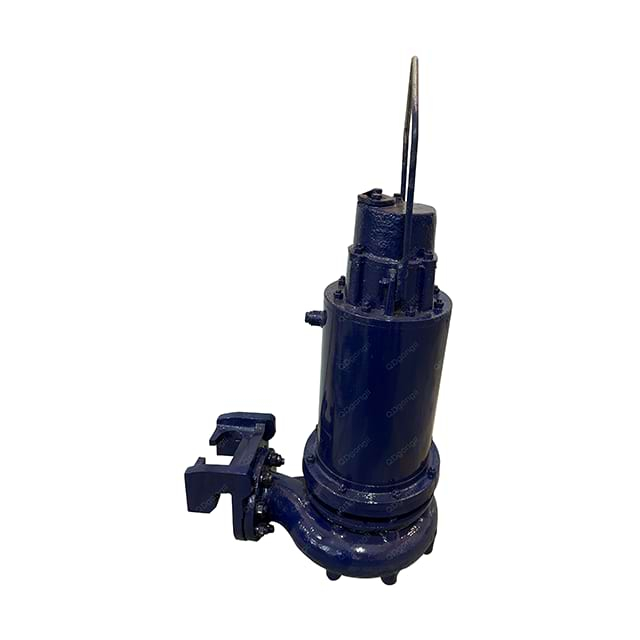
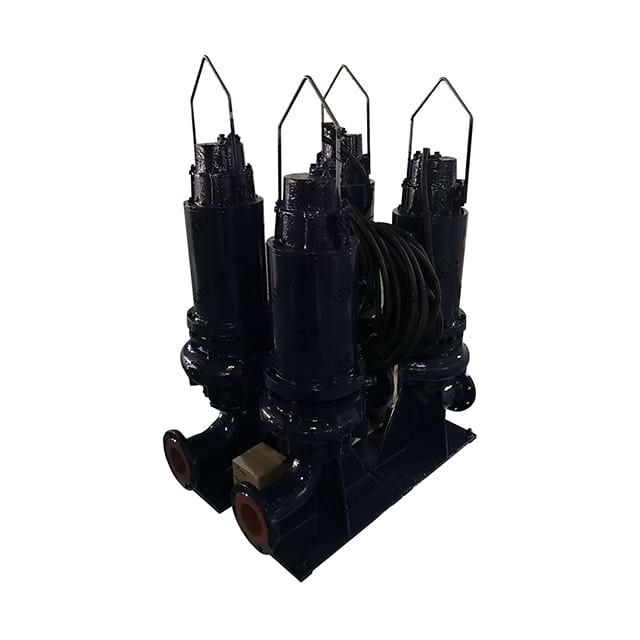
A screw centrifugal pump combines the principles of centrifugal pumps and screw impellers to create a pump that can handle a variety of fluids, including those that are difficult to move with standard centrifugal pumps. Unlike traditional centrifugal pumps, which rely on a radial impeller to move fluid, screw centrifugal pumps feature a screw-shaped impeller that draws the fluid smoothly into the pump and then accelerates it outward using centrifugal force. The helical impeller design allows the pump to handle high-viscosity liquids, slurries, and solids-laden media without clogging, making them ideal for applications where other pumps might fail.
While centrifugal pumps work by using radial impellers to move liquid outward in a circular motion, screw centrifugal pumps offer an improvement with a screw-like impeller design that reduces turbulence and promotes smoother flow, even when dealing with thicker fluids or materials containing suspended solids. Traditional centrifugal pumps are limited by their impeller design, which struggles when the fluid contains large particles or fibers that can easily clog the pump. By contrast, the screw impeller in screw centrifugal pumps has larger passageways and an ability to efficiently move solids without causing blockages.
A screw centrifugal pump operates using a combination of centrifugal force and the unique geometry of its screw impeller. Here’s how it works:
1. Fluid Inlet: The fluid enters the pump through the inlet and is drawn toward the impeller, which is shaped like a screw. This design allows the fluid to be moved smoothly into the pump.
2. Centrifugal Action: As the screw impeller rotates, centrifugal force pushes the fluid outward. This process increases the fluid’s velocity and converts it into pressure, which is what drives the fluid through the system.
3. Smooth Flow: The screw impeller moves the fluid smoothly, reducing the turbulence and shear forces typically associated with other types of pumps. This is particularly useful when handling slurries, sludge, or viscous liquids, as it minimizes the risk of clogging.
4. Discharge: The fluid exits the pump at the discharge port, where the pressure from the screw impeller ensures continuous flow. This smooth, consistent discharge helps maintain stable system performance, even when dealing with complex liquids.
The key advantage of the screw impeller in a screw centrifugal pump is its ability to handle challenging fluids with minimal clogging and turbulence. The screw design reduces the likelihood of solids accumulating and causing blockages, unlike traditional centrifugal pumps, which are prone to clogging when they encounter fibers or large particles. Additionally, the screw impeller design maintains a consistent flow of fluid, which is crucial in systems where stability is essential.
In wastewater treatment plants, screw centrifugal pumps are used extensively for moving raw sewage, activated sludge, and return activated sludge (RAS). Traditional centrifugal pumps can struggle with the solids, fibers, and high-viscosity materials commonly found in wastewater, leading to frequent blockages, maintenance issues, and system downtime. Screw centrifugal pumps, however, are specifically designed to handle these tough fluids efficiently, minimizing clogging and reducing the need for constant maintenance.
These pumps are also used in sewage lift stations and pumping stations where wastewater or sludge needs to be moved over long distances. The ability to handle both solids and liquid without interruption makes screw centrifugal pumps essential for maintaining the smooth operation of wastewater treatment facilities.
Agriculture involves moving a variety of liquids, including manure, digestate, and organic slurry, which can be challenging to pump using conventional methods. Screw centrifugal pumps are particularly useful in these settings because they can efficiently handle the thick, fiber-laden fluids without clogging.
These pumps are used in biogas systems to move biomass and digestate during the anaerobic digestion process. Since biogas production involves handling large volumes of organic slurry, screw centrifugal pumps are crucial in maintaining system efficiency and ensuring the proper flow of material.
In industrial applications, screw centrifugal pumps are used in a range of processes that require the handling of high-viscosity fluids, chemicals, and slurries. Industries such as food processing, chemical manufacturing, and mining all rely on these pumps to move fluids that contain suspended solids, oils, or other challenging materials.
For example, in food processing, screw centrifugal pumps can be used to handle thick materials like sauces, purees, and syrups, which are common in the industry. Similarly, in the chemical industry, these pumps are used to move aggressive chemicals and corrosive materials through pipes and systems without the risk of blockages.
In HVAC systems, screw centrifugal pumps are used to move contaminated water or slurry in systems that handle drainage or wastewater. In buildings or industrial environments where water may contain fibrous materials, debris, or other solids, screw centrifugal pumps provide a reliable solution to maintain flow without interruption.
These pumps are also used in stormwater management systems, where they efficiently move water that contains leaves, twigs, and other debris. The ability to handle solids-laden fluids is especially important in urban areas prone to flooding or excessive runoff.
The mining and construction industries often deal with slurries, cement mixtures, and other fluids that are rich in solid particles. Screw centrifugal pumps are commonly used in these environments because they are capable of moving fluids with high solid content without experiencing clogging or performance loss.
In the mining industry, these pumps are used to transport mineral-rich slurry, which often contains abrasive particles that would wear out conventional pumps. In construction, screw centrifugal pumps can handle cement mixes, slurry from excavation, or water contaminated with debris, making them essential for maintaining efficient operation at job sites.
The screw centrifugal pump stands out in its ability to handle solids, fibers, and other challenging materials without causing blockages. This capability makes it an invaluable tool in industries such as wastewater treatment, agriculture, and mining, where solids are commonly present in the fluid being pumped.
Despite their robust design, screw centrifugal pumps are designed to be energy-efficient. The screw impeller reduces energy loss, ensuring that the pump operates smoothly even when handling complex or viscous fluids. This reduces the overall energy cost of operating the pump over time, especially in demanding applications where traditional pumps might struggle.
Screw centrifugal pumps are built to handle challenging fluids, which makes them more durable and reliable in industries with high operational demands. Their ability to manage fibrous and solid-laden materials means less wear and tear on the pump components, increasing the lifespan and reducing the frequency of repairs.
One of the biggest advantages of screw centrifugal pumps is the reduced maintenance they require. Due to their smooth flow path and ability to prevent clogging, these pumps require less frequent servicing compared to traditional centrifugal pumps. This results in less downtime and lower maintenance costs over the life of the pump.
When selecting a screw centrifugal pump, it’s important to consider several factors to ensure optimal performance:
1. Fluid Characteristics: Consider the viscosity, solid content, and fibers present in the fluid. If the liquid is thick, contains large particles, or is prone to clogging, a screw centrifugal pump is the ideal choice.
2. Flow Rate and Head: Ensure the pump can handle the required flow rate and head. Screw centrifugal pumps are great for applications where fluid flow can fluctuate or where high pressures are needed.
3. Material Selection: Depending on the type of fluid being pumped, you’ll need to select the right materials for the pump casing and impeller. Materials like stainless steel or cast iron are often used for their durability and resistance to corrosion.
4. Efficiency: Evaluate the energy efficiency of the pump. In demanding applications, screw centrifugal pumps often provide better overall efficiency than conventional centrifugal pumps due to their ability to handle complex fluids without clogging.
In conclusion, screw centrifugal pumps provide an essential solution for industries handling solids-laden fluids, slurries, and high-viscosity liquids. Their unique screw impeller design ensures smooth, consistent flow, making them ideal for wastewater treatment, agriculture, food processing, and mining. At Qingdao Gongli Technology Co., Ltd., we specialize in manufacturing screw centrifugal pumps designed to handle tough fluids with reliability and efficiency, reducing downtime and maintenance costs.
● A screw centrifugal pump is used to handle complex fluids like slurries, high-viscosity liquids, and fibrous materials that are difficult for traditional pumps to move.
● It uses a screw-shaped impeller to draw fluid in and accelerate it using centrifugal force, ensuring smooth flow even when handling high-viscosity or solid-laden liquids.
● Yes, screw centrifugal pumps are designed specifically to handle high-viscosity fluids, making them ideal for applications in industries such as food processing, biogas, and chemical manufacturing.
● Screw centrifugal pumps use a screw impeller design that allows for smoother, more efficient handling of complex fluids like slurries and fibrous liquids, whereas traditional centrifugal pumps may struggle with these types of fluids.
● They are used in a variety of industries, including wastewater treatment, agriculture, industrial applications, HVAC systems, and mining, wherever fluids with solids, fibers, or high viscosity need to be pumped efficiently.