Views: 0 Author: Site Editor Publish Time: 2026-01-26 Origin: Site


Axial Flow Screw Centrifugal Pump systems often run nonstop. Small issues can grow fast if ignored. How do you know when inspection matters most?In this article, we explain how to inspect and repair it. You will learn what to check, when to act, and why it matters.
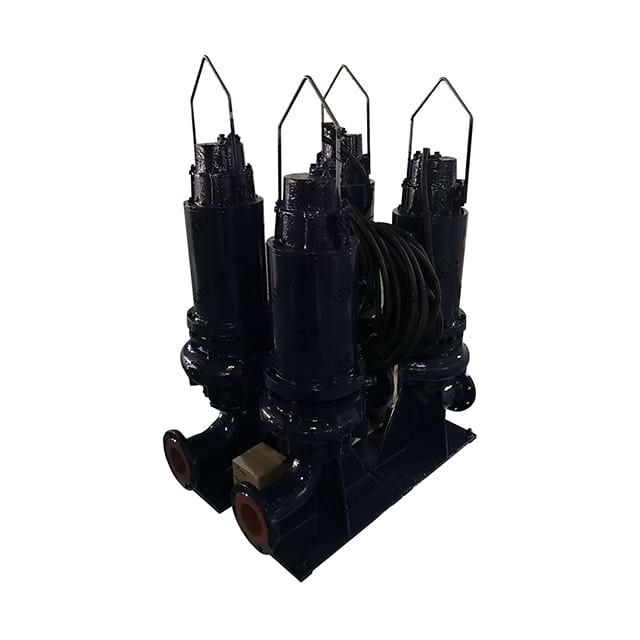
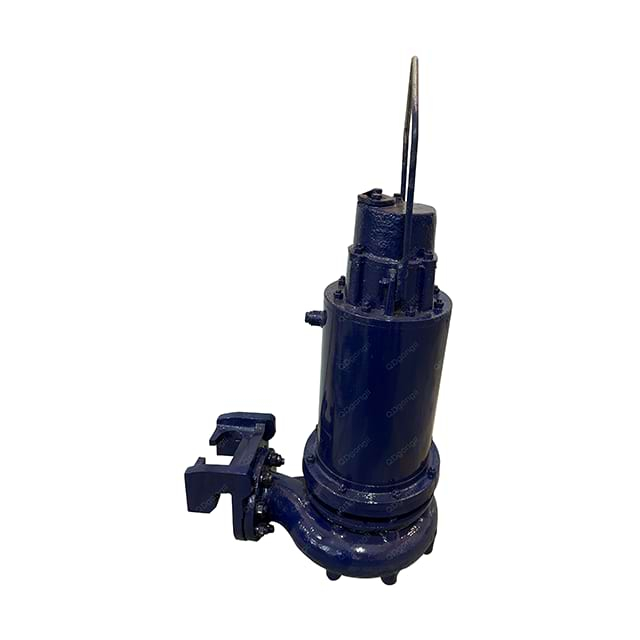
An Axial Flow Screw Centrifugal Pump moves liquid parallel to the pump shaft rather than outward. It focuses on transferring large volumes of fluid at low head, which makes it suitable for continuous-flow systems. The screw-shaped impeller guides the liquid smoothly forward, helping reduce turbulence and energy loss during operation.
Unlike conventional centrifugal pumps, axial flow designs emphasize flow stability instead of pressure buildup. The screw impeller spreads hydraulic load evenly along the blade surface, which helps slow down wear.
Key structural points to understand before inspection:
● Straight-through flow path aligned with the shaft.
● Screw impeller designed for low-speed, high-volume transport.
● Reduced hydraulic shock compared to radial-flow pumps.
An Axial Flow Screw Centrifugal Pump is widely used in drainage stations, irrigation systems, flood control projects, wastewater transfer, and industrial water circulation. These environments often involve long operating hours and variable fluid quality. As a result, components experience steady mechanical and hydraulic stress rather than sudden load changes.
Continuous-duty operation influences how wear develops. Bearings face sustained loads, seals remain under constant pressure, and impellers interact with solids or debris over time.
Common operating factors affecting inspection:
● Long runtime cycles increasing bearing fatigue.
● Suspended solids causing gradual erosion.
● Outdoor installations exposed to moisture and temperature changes.
Application | Main stress factor | Inspection focus |
Flood control | High flow, debris | Impeller condition |
Irrigation | Continuous operation | Bearings, alignment |
Wastewater | Corrosive media | Seals, clearances |
The screw impeller drives fluid movement in an Axial Flow Screw Centrifugal Pump. It converts rotational energy into smooth axial flow, which keeps efficiency high during continuous operation. Over time, the impeller surface may show erosion, cavitation marks, or material buildup, especially in systems handling solids.
Hydraulic passages surrounding the impeller also influence performance. Deposits or surface damage can disturb flow balance and reduce efficiency. In Gongli pump designs, optimized passage geometry helps limit turbulence, yet inspectors should still check blade edges, surface smoothness, and clearance consistency.
Primary inspection areas include:
● Leading and trailing edges of the screw blades.
● Signs of cavitation or pitting.
● Surface roughness caused by solids.
The shaft system transfers torque and maintains alignment between the impeller and drive unit. In axial flow pumps, alignment accuracy is critical because hydraulic forces act along the shaft direction. Line shaft bearings support the rotating assembly, while thrust bearings absorb axial loads generated during operation.
Bearing lubrication varies by design. Some systems use water-lubricated bearings, while others rely on oil lubrication for higher load stability.
Bearing type | Lubrication | Key check |
Line shaft bearing | Water | Wear, debris |
Thrust bearing | Oil | Temperature, oil quality |
Motor bearing | Grease/oil | Noise, vibration |
Mechanical seals and packing systems prevent leakage and protect internal components. In an Axial Flow Screw Centrifugal Pump, even minor leakage can indicate seal face wear or elastomer aging. If ignored, it may lead to bearing contamination or shaft damage.
Wear rings and internal clearances control internal leakage and vibration levels. As clearances increase, efficiency drops and vibration rises.
Key inspection points include:
● Seal face condition and leakage level.
● Packing compression and lubrication state.
● Wear ring scoring and clearance growth indicators.
Routine inspection keeps an Axial Flow Screw Centrifugal Pump running steadily under continuous-duty conditions. Daily and weekly checks focus on early signs of deviation, rather than deep mechanical wear. Operators usually listen to the pump, observe its behavior, and compare it to normal operation. These simple actions help spot issues before they grow into repairs.
Periodic inspections depend more on operating hours than calendar time. Pumps running nonstop in drainage or irrigation systems accumulate wear gradually, especially on bearings and seals.
Typical routine checks include:
● Listening for changes in sound during startup and steady operation.
● Observing vibration levels by touch or simple indicators.
● Recording flow, pressure, and motor current for trend comparison.
Inspection frequency | Main focus | Purpose |
Daily | Noise, leaks | Detect sudden changes |
Weekly | Vibration, temperature | Identify early wear |
Hour-based | Bearings, seals | Prevent efficiency loss |
Some conditions require immediate inspection, regardless of the routine schedule. A sudden rise in vibration or abnormal noise often signals misalignment, bearing damage, or impeller imbalance. These symptoms rarely correct themselves and usually worsen if ignored. Stopping the pump early can prevent secondary damage to shafts or seals.
Performance deviation also demands attention. A noticeable drop in flow rate or discharge pressure may indicate impeller wear, blockage, or internal leakage. Bearing temperature rise and seal leakage are equally critical. Heat buildup often points to lubrication failure, while leakage suggests seal face wear or clearance changes. In axial flow screw centrifugal pumps, these signs usually appear gradually, giving operators a short window to act.
Immediate inspection triggers often include:
● Sharp vibration increase during steady operation.
● Unstable discharge pressure under constant load.
● Visible seal leakage or abnormal bearing temperature.
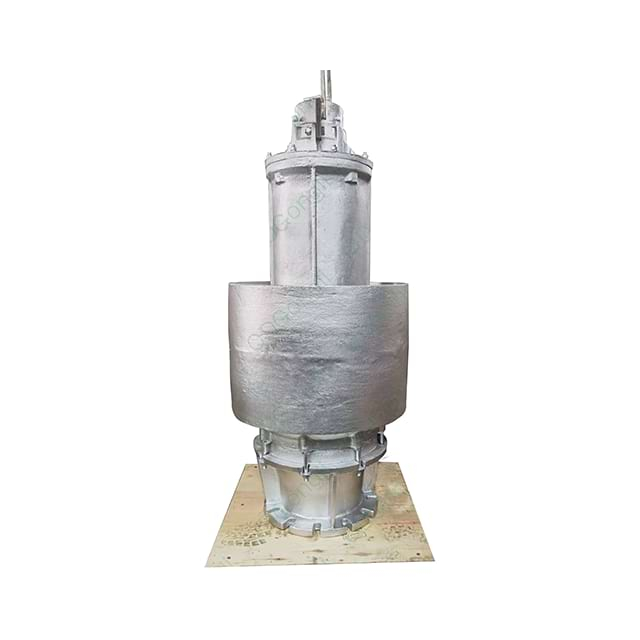
Safety preparation comes before any inspection or repair work on an Axial Flow Screw Centrifugal Pump. Power isolation remains the first step. The motor must be locked out to prevent accidental startup, especially in automated pumping stations. System pressure should then be released, and residual fluid drained to avoid sudden discharge when components are opened.
Good maintenance practice also includes clear communication and area control. Many Gongli maintenance procedures emphasize structured isolation and confirmation steps, ensuring the pump remains safe to access throughout inspection. These actions protect both personnel and equipment, especially in large axial flow installations.
Key safety steps include:
● Locking out electrical power and verifying zero energy.
● Depressurizing pipelines and draining fluid passages.
● Securing rotating parts before opening the pump.
Safety step | Purpose | Risk reduced |
Power lock-out | Prevent startup | Injury |
Pressure release | Avoid fluid discharge | Burns, spills |
Area isolation | Control access | Accidents |
Effective inspection relies on the right tools. Monitoring instruments help inspectors identify problems without full disassembly. Vibration meters, temperature probes, and pressure gauges provide quick insight into operating health. These tools support condition-based decisions rather than guesswork.
Basic mechanical tools are equally important. Alignment tools help verify shaft position, while torque wrenches ensure fasteners remain secure after inspection. In axial flow screw centrifugal pump systems, combining monitoring data and mechanical checks improves accuracy and reduces unnecessary downtime.
Commonly used tools include:
● Vibration and temperature measuring devices.
● Pressure and flow monitoring instruments.
● Alignment tools and standard mechanical hand tools.
Visual inspection focuses on the pump’s external condition. Inspectors examine the casing, column pipes, and mounting structure for signs of corrosion, cracks, or deformation. Fasteners and supports should remain tight and free from movement, as looseness often leads to vibration transfer and structural stress.
Leakage checks are equally important. Even small fluid traces around joints or seals may signal internal wear. In outdoor installations, surface corrosion can accelerate if moisture remains trapped. Regular visual inspection helps prevent minor surface issues from developing into structural problems.
Main visual inspection points include:
● Casing surface and joint integrity.
● Column alignment and support condition.
● Signs of leakage or corrosion.
Operational monitoring complements visual checks by observing the pump during operation. Noise patterns often reveal imbalance or bearing wear, while vibration changes indicate alignment or hydraulic issues. Power consumption and motor load behavior also provide clues. A steady increase in current usually points to rising internal resistance or efficiency loss.
In axial flow screw centrifugal pumps, these indicators tend to change slowly. Monitoring trends over time allows operators to plan maintenance rather than react to failure. Combining sound, vibration, and power data gives a clearer picture of pump health during daily operation.
Key monitoring actions include:
● Listening for unusual mechanical sounds.
● Observing vibration behavior during steady flow.
● Tracking motor load and power consumption trends.
Internal inspection of an Axial Flow Screw Centrifugal Pump starts before any bolt turns. Planning reduces risk and saves time during reassembly. We mark components, note orientations, and record critical clearances. This approach helps track gradual wear and avoids guesswork later, especially on long-shaft assemblies where alignment matters.
During disassembly, long shafts and columns need controlled handling. Improper support can bend shafts or score bearing surfaces. Teams often follow staged removal, lifting evenly and protecting machined areas.
Key documentation actions include:
● Tagging impellers, sleeves, and spacers in sequence.
● Recording axial and radial clearances before removal.
● Photographing assemblies to guide reassembly steps.
The screw impeller controls flow stability in an Axial Flow Screw Centrifugal Pump. Inspectors check blade surfaces for smoothness and uniform geometry. Minor polishing marks are normal, while sharp pitting or uneven edges suggest cavitation or erosion. Geometry changes affect flow balance and can increase vibration.
Flow components around the impeller also deserve attention. Deposits or deformation disturb axial flow and reduce efficiency. Cleaning removes soft buildup, yet reconditioning becomes necessary when metal loss alters profiles. The decision depends on depth, spread, and location of damage rather than appearance alone.
Condition found | Likely cause | Action |
Light surface marks | Normal wear | Clean and monitor |
Local pitting | Cavitation | Recondition |
Deformed blade edge | Hydraulic overload | Replace |
Shaft alignment directly influences bearing life in an Axial Flow Screw Centrifugal Pump. Inspectors check straightness using runout measurements and visual reference along the shaft length. Even small bends can amplify vibration under continuous flow conditions.
Bearing inspection focuses on wear patterns and lubrication quality. Discoloration, scoring, or debris often point to lubrication issues rather than material defects. Misalignment increases axial load, which then transfers stress to seals and couplings. Early detection prevents cascading damage.
Typical checks include:
● Measuring shaft runout at multiple points.
● Inspecting bearing surfaces for scoring.
● Verifying lubricant cleanliness and supply.
Mechanical seals protect the shaft and bearings from leakage and contamination. Inspectors look for uniform contact on seal faces and flexible elastomers. Aging elastomers harden over time, which reduces sealing ability even if faces appear intact.
Leakage limits guide decisions. A small, stable leak may be acceptable for packing systems, while rising leakage usually signals wear. Flush lines must remain clean to provide cooling and debris removal. Restricted flow often leads to overheating and premature seal failure.
Inspection focus areas include:
● Seal face flatness and wear tracks.
● Elastomer flexibility and surface cracking.
● Flush line flow and temperature.
Repair decisions balance wear severity, remaining service life, and downtime. Light erosion or seal wear often suits repair, while distorted impellers or bent shafts favor replacement. Inspectors consider how damage affects performance, not just appearance.
Cost and downtime also matter. A short repair may restore efficiency quickly, while replacement may reduce future maintenance. In axial flow systems running continuously, minimizing unplanned stops often drives the decision.
Factor | Repair favored | Replace favored |
Wear depth | Shallow | Severe |
Geometry change | Minimal | Significant |
Downtime tolerance | Low | Acceptable |
Screw impeller repair may involve surface restoration or profile correction. Bearings and seals usually follow replacement schedules once wear indicators appear. Gaskets and O-rings should always be renewed during reassembly to maintain sealing integrity.
Component renewal restores hydraulic balance and reduces vibration risk. Teams often replace related parts together to avoid uneven wear after restart. This approach supports stable operation in axial flow screw centrifugal pump systems.
Typical repair actions include:
● Reconditioning or replacing screw impellers.
● Renewing bearings and mechanical seals.
● Installing new gaskets and O-rings.
Reassembly follows the reverse sequence of disassembly, guided by recorded data. Alignment checks ensure shafts return to tolerance before startup. Precision matters here, as small errors can offset repair benefits.
Alignment control supports smooth operation and seal life. In Gongli pump servicing practice, careful alignment verifies that hydraulic and mechanical systems work together after repair.
This article explains how to inspect and repair an Axial Flow Screw Centrifugal Pump step by step. It covers internal checks, repair decisions, and cost control. Used correctly, inspection prevents failure and improves efficiency. Solutions from Qingdao Gongli Technology Co., Ltd. support stable operation and long service life.
A: An Axial Flow Screw Centrifugal Pump moves large liquid volumes at low head using axial flow and a screw impeller design.
A: An Axial Flow Screw Centrifugal Pump needs daily checks and periodic inspections based on operating hours and load.
A: In an Axial Flow Screw Centrifugal Pump, vibration often comes from misalignment, bearing wear, or impeller damage.
A: Axial Flow Screw Centrifugal Pump cost decisions depend on wear severity, downtime impact, and remaining service life.
A: Axial Flow Screw Centrifugal Pump inspection reduces failures, controls energy use, and extends equipment life.