Views: 0 Author: Site Editor Publish Time: 2025-12-26 Origin: Site


How do you ensure the right pump model for your unique needs? Selecting the right pump can significantly impact your system’s efficiency and cost-effectiveness. With the wide variety of pump types available, making the right choice can be overwhelming.
In this article, we will explore the key steps in selecting an Axial Flow Screw Centrifugal Pump, from understanding flow rates and head requirements to evaluating system conditions. You will learn how to choose the best pump for your application and ensure optimal performance.
When choosing an Axial Flow Screw Centrifugal Pump, there are several critical factors to consider. These factors include the duty point, fluid properties, system conditions, and material selection. Let’s dive deeper into these essential steps.
The first step in selecting an Axial Flow Screw Centrifugal Pump is defining your duty point, which includes the required flow rate (Q) and the total head (H).
● Flow Rate (Q): This refers to how much liquid needs to be pumped within a specific time frame (m³/h or L/s). It is essential to determine the flow requirements based on the system’s demands or process throughput. Accurately sizing the pump ensures that you avoid both undersized and oversized pumps, which can lead to energy inefficiencies.
● Head (H): This is the vertical lift plus the friction losses in the system, which contribute to the total head. The Axial Flow Screw Centrifugal Pump typically operates at low to medium heads (generally between 1-10 meters). Ensuring that the selected pump operates near the Best Efficiency Point (BEP) for the required head is key for optimizing performance.
Tip: To avoid energy wastage, ensure that the flow rate and head requirements are accurately calculated before selecting the pump model.
Understanding the properties of the fluid you plan to pump is vital in determining the right pump model. Fluid characteristics such as viscosity, solids content, temperature, and corrosiveness can all affect pump performance.
● Viscosity & Solids: Fluids with high viscosity or solids can cause clogging and excessive wear on the pump components. The screw impeller in Axial Flow Screw Centrifugal Pumps makes them ideal for handling such fluids as it allows for better handling of viscous liquids and solids.
● Temperature: High temperatures can affect the pump’s motor and materials. You must select materials that can withstand the heat generated by the pumped fluids to avoid premature wear and pump failure.
● Corrosiveness: The corrosiveness of the fluid also dictates material selection. For corrosive fluids like seawater or chemicals, corrosion-resistant materials such as stainless steel or bronze should be considered.
Another crucial factor is understanding your system’s conditions, particularly NPSHa (Net Positive Suction Head available) and NPSHr (Net Positive Suction Head required).
● NPSHa: This is the available suction pressure in the system. It must be higher than the required NPSHr of the pump to prevent cavitation.
● System Curve: Plotting the system curve (Q vs. H) is essential to determine where it intersects with the pump’s performance curve. This will help ensure that the pump selected will function effectively within the operating conditions of the system.
Tip: Always check that the NPSHa exceeds the NPSHr to prevent cavitation, which can damage the pump.
Once you’ve defined the duty point, fluid properties, and system conditions, you need to consult the pump’s performance curve. This curve shows the relationship between flow rate (Q), head (H), and efficiency (E).
● Head-Flow Curve: The duty point should intersect the pump’s head-flow curve. The pump model should provide adequate head at the required flow rate for efficient operation.
● Efficiency Curve: Choose a pump model where your duty point is near the Best Efficiency Point (BEP). Operating near the BEP ensures that the pump performs with maximum efficiency, saving energy and reducing wear on components.
Performance Criteria | Key Factor | Why It Matters |
Flow Rate (Q) | Determines the amount of liquid to be pumped | Ensures the pump capacity meets the system's demand. |
Head (H) | Vertical lift and friction losses | Ensures the pump meets the required pressure and flow. |
Efficiency (E) | Maximizes energy use and reduces operational costs | Prevents unnecessary energy wastage and ensures longer pump life. |
Selecting the right materials and ensuring proper construction features is vital to ensuring your pump can handle the fluids in your system.
The materials used in the construction of the pump must be compatible with the fluids being pumped. Some common materials used in Axial Flow Screw Centrifugal Pumps include:
● Cast Iron or Carbon Steel: Ideal for clean water applications.
● Stainless Steel or Bronze: Recommended for handling seawater, chemicals, and corrosive fluids.
● Rubber-Lined Steel: Suitable for slurries or abrasive fluids.
Tip: Choose the right materials based on your fluid’s properties to avoid wear, corrosion, or failure.
Axial Flow Screw Centrifugal Pumps come with various design options, depending on the application. The following features are important to consider:
● Impeller Type: Choose between fixed-pitch (simple and durable) or adjustable-pitch (variable performance control) impellers.
● Bearings and Drive Arrangement: Depending on your application, select water-lubricated or grease-lubricated bearings, and choose between electric motors, diesel engines, or other drive options.
● Column Construction: Modular column pipes allow customization to fit your site’s specific depth and support structure.
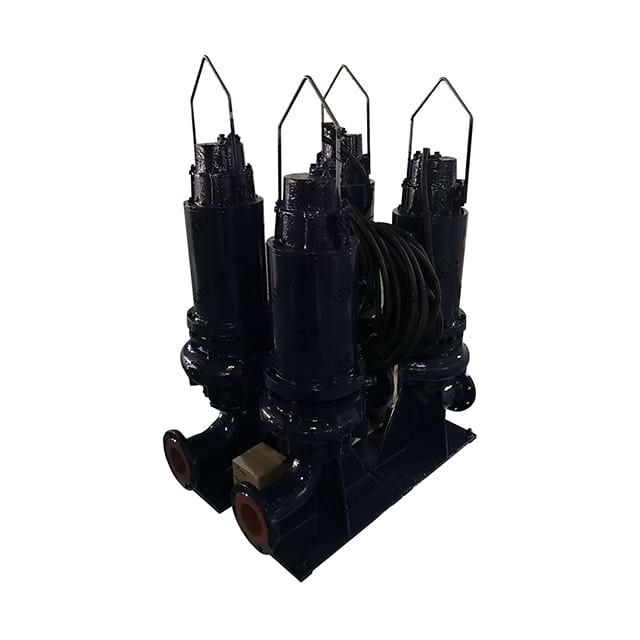
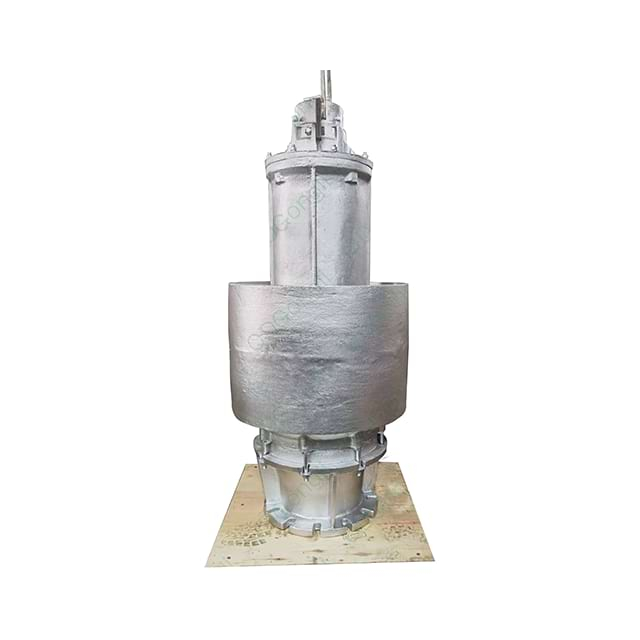
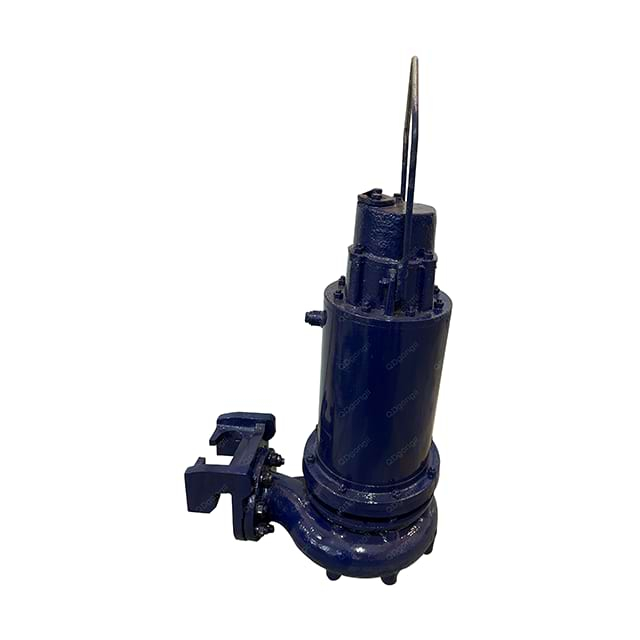
Axial Flow Screw Centrifugal Pumps are ideal for specific applications that require high-flow, low-head pumping. These pumps excel in moving large volumes of fluid at a low head, such as drainage, flood control, or moving viscous slurries.
These pumps are well-suited for applications where other types of pumps, such as centrifugal pumps, struggle. Some of the key applications include:
● Flood Control: Moving large volumes of water quickly and efficiently.
● Drainage Systems: Pumping water from sumps or water intake wells.
● Viscous Fluid Handling: Transferring liquids with high viscosity or solid content.
The performance of these pumps can vary depending on the type of liquid being pumped. For example, clean water requires different pump specifications than slurries or liquids containing solids. Always check the pump manufacturer’s data for accurate performance readings.
These pumps come in vertical, horizontal, and submersible configurations. The configuration you choose should be based on the installation space and suction conditions:
● Vertical Configuration: Ideal for deep sumps or water intake wells where space is limited.
● Horizontal Configuration: Suitable for areas where headroom is available and maintenance is required.
Tip: Choose a vertical configuration for deep sumps and a horizontal configuration for areas where maintenance access is important.
Selecting a pump is not just about initial cost but also about balancing energy efficiency and long-term maintenance costs. An energy-efficient pump will save you money in the long run.
Ensure that the pump you select is easy to maintain and repair. Look for models that allow for quick access to key components, especially if you plan to operate the pump in a high-demand environment.
In conclusion, selecting the right Axial Flow Screw Centrifugal Pump is critical for ensuring your system operates at peak efficiency. By considering key factors like flow rate, head, fluid properties, and system conditions, you can choose the best pump model for your specific application. Remember, proper pump selection leads to long-term reliability, energy efficiency, and cost savings.
For those seeking high-performance and durable pumps, Qingdao Gongli Technology Co., Ltd. offers advanced Axial Flow Screw Centrifugal Pumps. Their reliable solutions are designed to meet the unique needs of industries requiring efficient fluid handling in high-flow, low-head applications, ensuring maximum performance and longevity.
A: An Axial Flow Screw Centrifugal Pump combines axial flow and screw displacement technology to efficiently move large volumes of fluid at low head, ideal for applications like drainage and slurries.
A: To select the right pump, define the required flow rate (Q) and head (H), analyze the fluid properties, and consult performance curves to ensure the pump operates efficiently at your system’s duty point.
A: The screw element provides positive displacement, allowing the pump to handle high-viscosity fluids and solids, making it ideal for applications like drainage and slurries where centrifugal pumps might struggle.
A: These pumps are energy-efficient, offer reliable performance, and are ideal for high-flow, low-head applications, including handling viscous fluids, slurries, and draining large volumes of water.